As an Amazon Associate I earn from qualifying purchases. Some links in this post are affiliate links, at no extra cost to you.
Wedding Guest Dress Codes Explained
Wedding invitations often include specific dress codes that seem confusing if you’re not familiar with formal dress standards. Black Tie, Black Tie Optional, Formal, Semi-Formal, Business Attire, Casual, and other codes each have specific expectations. Understanding these guidelines ensures you dress appropriately for the occasion’s formality level. Dressing correctly shows respect for the couple and event while allowing you to feel confident and comfortable. Different dress codes create different aesthetics – learning to navigate them builds your overall style confidence. Related reading: nails. See also: relationships & dating.
📋 Table of Contents
- Wedding Guest Dress Codes Explained
- Black Tie and Black Tie Optional
- Formal and Semi-Formal Weddings
- Business Attire and Casual Weddings
- Color Considerations
- Neckline and Sleeve Options
- Shoe and Accessory Selection
- Undergarments and Fit
- Hair and Makeup for Wedding Events
- Final Dress Code Checklist
- Specific Dress Codes by Wedding Style
- Fashion-Forward Wedding Guest Options
- Practical Wedding Guest Considerations
- Navigating Unconventional Wedding Dress Codes
- Conclusion: Dress Confidently to Any Wedding
- Wedding Guest Etiquette Tips
Black Tie and Black Tie Optional
Black Tie requires tuxedos (men) and floor-length gowns (women) with formal accessories. This is the highest formality level. Black Tie Optional means Black Tie is preferred but other formal wear (cocktail dress, dark suit) is acceptable. Black Tie events typically occur in evening hours in formal venues. The formality reflects the couple’s style and event venue. Investing in a quality black-tie-appropriate gown is worthwhile if you attend multiple formal events – choose timeless styles over trendy ones.
Formal and Semi-Formal Weddings
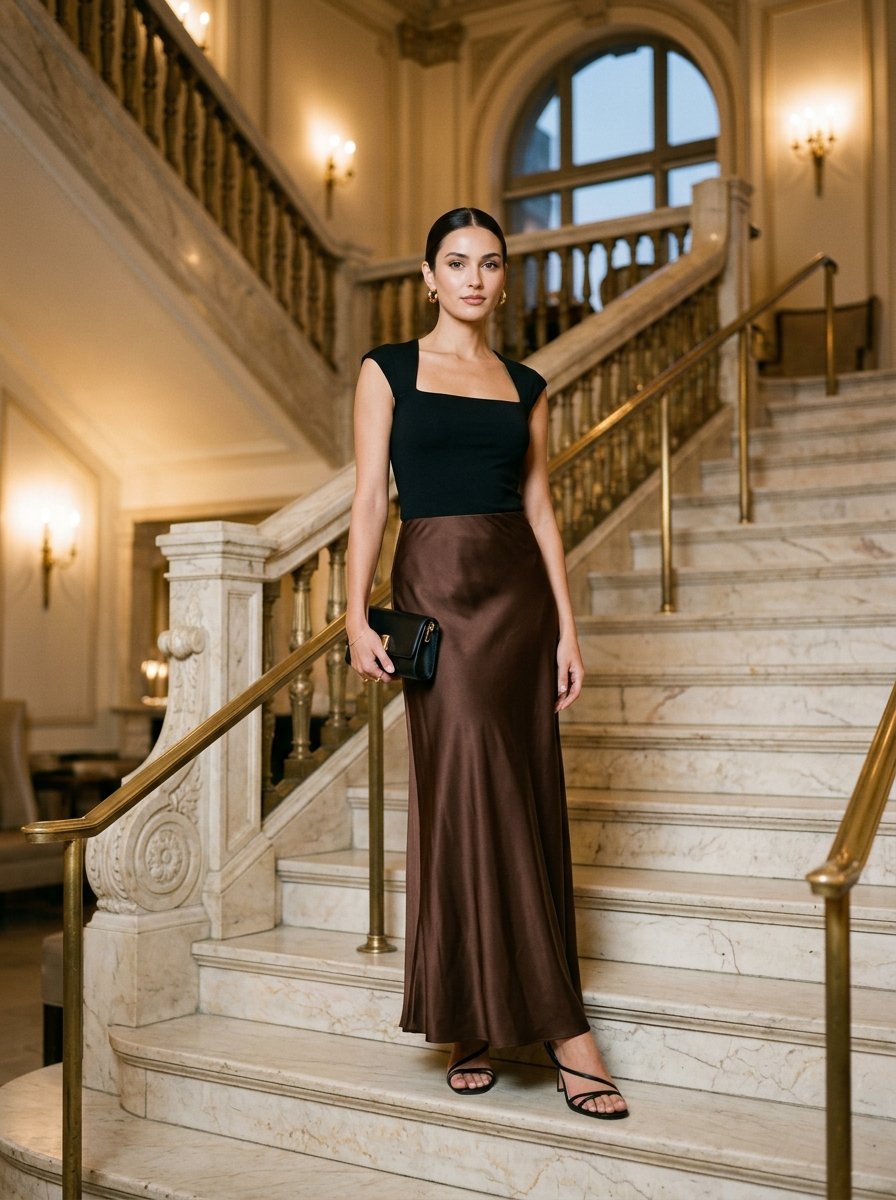
Formal weddings call for floor-length or knee-length cocktail dresses in elegant fabrics. Semi-Formal allows knee-length or midi dresses with less elaboration. Both require polished hair and makeup, quality accessories, and appropriate footwear. The time of day matters – evening formal calls for more sparkle, daytime formal can be simpler. Fabric choices affect formality level – silk feels dressier than cotton, beading adds formality. Formal events are opportunities to wear your best pieces and feel glamorous. Related reading: beauty & makeup.
Business Attire and Casual Weddings
Business Attire means dressy pants or skirts with blouses or blazers – similar to office wear but more polished. Casual allows nice jeans, dressy separates, and comfortable footwear. These less formal weddings are relaxed affairs reflecting the couple’s personality. You have more freedom in color, style, and personal expression. Comfort matters at casual events – you can enjoy yourself rather than managing uncomfortable formal wear. Many modern couples prefer casual celebrations that feel authentic to their personalities. See also: wellness & self-care.
Color Considerations
Avoid white, ivory, and cream (reserved for the bride). Black is appropriate despite old myths – it’s elegant and slimming. Jewel tones (sapphire, emerald, ruby) are always appropriate. Pastels work for daytime, darker shades for evening. Bright colors show personality and joy. Patterns are fine if they don’t overpower the occasion. Metallics (gold, silver) add formality. Understanding color appropriate to formality level helps you select dresses that fit the occasion perfectly.
Neckline and Sleeve Options
Strapless and sweetheart necklines feel formal and elegant. Cap sleeves and short sleeves suit daytime events. Long sleeves add formality and work for all times of day. Modest necklines suit conservative families or religious ceremonies. Plunging necklines feel sophisticated for evening events. Sleeveless works for most events but may be inappropriate for religious ceremonies. Choosing necklines and sleeves appropriate to both the event’s formality and location shows cultural awareness and respect.
Shoe and Accessory Selection
Formal events require dressy heels or sophisticated flats in neutrals or metallics. Avoid casual sneakers, sandals, or overly casual footwear. Statement jewelry can elevate a simpler dress – a beautiful necklace or impressive earrings. Formal bags should be small (clutch) in elegant materials. Wraps and shawls add sophistication to sleeveless dresses. Appropriate accessories show you’ve put thought into your appearance. Quality accessories matter more than quantity – one beautiful piece beats multiple cheap ones.
Undergarments and Fit
Proper undergarments ensure dresses fit smoothly without visible panty lines or bunching. Shapewear helps create a sleek silhouette in fitted dresses. Strapless bras, adhesive bras, and corset bras solve different neckline challenges. Dress fit matters more than size – get alterations if needed. An ill-fitting expensive dress looks worse than a perfect-fitting budget dress. Taking time to ensure proper fit shows in how confidently you wear your outfit. Alterations are affordable investments that transform how dresses look and feel.
Hair and Makeup for Wedding Events
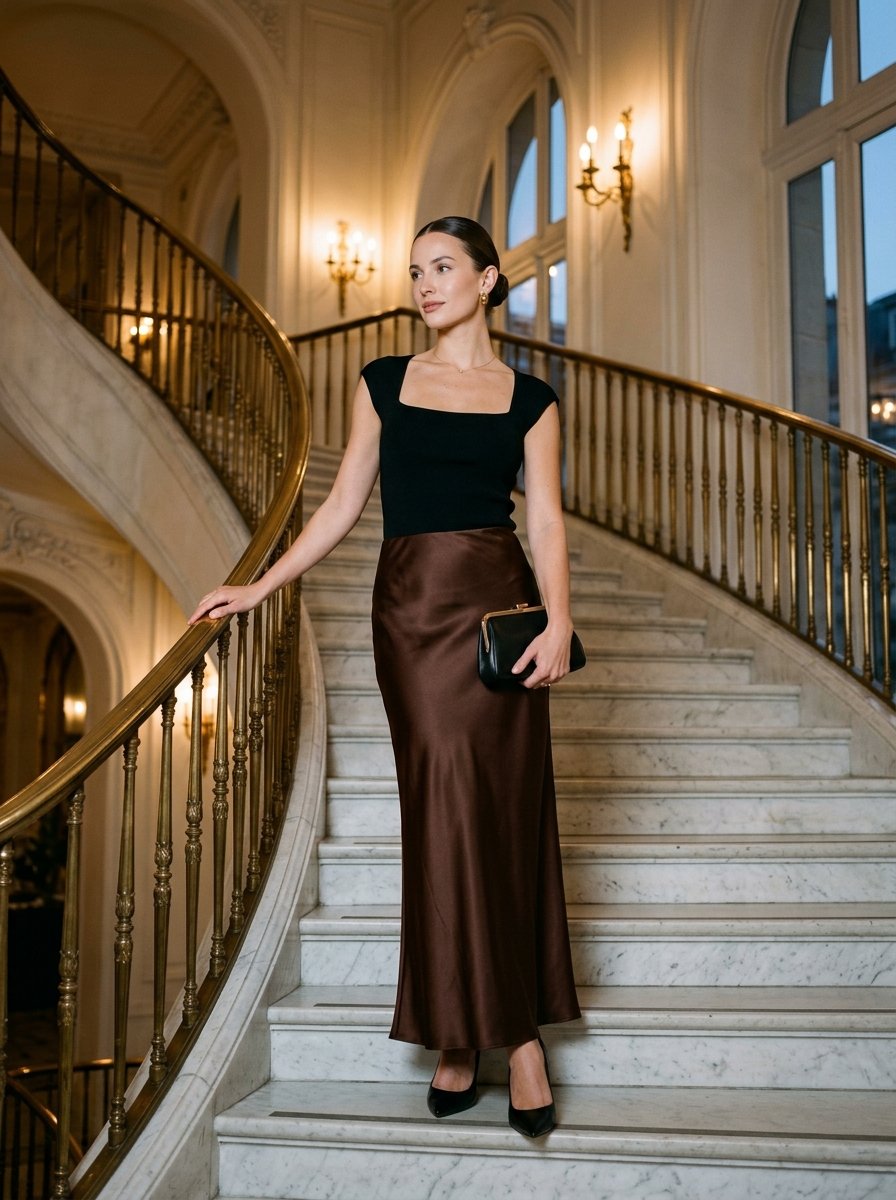
Formal events warrant polished hair (updo, waves, or styled straight) and complete makeup. Semi-formal allows relaxed waves or ponytails. Casual events have more flexibility but put-together hair and makeup still elevate your appearance. Professional hair and makeup services are options for formal events if you’re unsure. Simple, classic makeup looks timeless in photos. Bold makeup can overwhelm formal looks – save experimental makeup for casual events. If you want to go further, hair covers it in detail.
Final Dress Code Checklist
1. Read invitation carefully for specific dress code. 2. Consider event time and location. 3. Choose a dress at appropriate formality level. 4. Ensure proper fit through alterations if needed. 5. Select appropriate shoes and accessories. 6. Plan hair and makeup to match formality level. 7. Double-check that your outfit respects any cultural or religious considerations. Following these steps ensures you look and feel appropriate for any wedding.
Specific Dress Codes by Wedding Style
Garden weddings often call for lighter fabrics and softer colors. Beach weddings may be casual despite formal-sounding names – verify specifics. Black-tie destination weddings require packing formal wear while traveling. Small intimate weddings often have less formal dress codes. Large formal weddings have strict dress code expectations. Cultural weddings may have specific dress requirements – ask the couple. Religious ceremonies may require covered shoulders, knees, or head coverings. Evening receptions call for darker, more formal attire. Afternoon weddings allow lighter colors and less elaborate styling. Location and time help decode dress code expectations.
Fashion-Forward Wedding Guest Options
Jumpsuits provide elegant alternatives to dresses. Dressy separates (nice tops with formal pants/skirts) offer versatility. Statement sleeves elevate simple dresses. Unexpected colors (emerald, burgundy, gold) stand out beautifully. Interesting textures (metallic, sequin, brocade) add sophistication. Asymmetrical hemlines feel modern and chic. Two-piece formal outfits create interesting silhouettes. Capes over dresses create drama and elegance. Personal style appropriately expressed shows confidence and taste. Breaking dress code rules thoughtfully creates memorable, stylish looks. If you want to go further, fashion & outfits covers it in detail.
Practical Wedding Guest Considerations
Comfort matters – standing in painful shoes for hours ruins your experience. Pockets in dresses allow storing phone, lipstick, essentials. Dresses allowing full range of motion for eating and dancing improve experience. Avoiding excessive sparkle prevents blinding in photos. Strapless options reduce strap marks if you’ll change later. Breathable fabrics prevent overheating indoors or outdoors. Durable fabrics handle sitting, dancing, eating without staining easily. Practical choices enhance your comfort and ability to enjoy the event. Balancing style with practicality ensures you’re comfortable enough to genuinely enjoy the celebration.
Navigating Unconventional Wedding Dress Codes
White Tie (rarest) requires tuxedos and floor-length gowns. Creative Black Tie allows more personality while maintaining formality. Cocktail Attire allows knee-length dresses and dressy separates. Dressy Casual blurs lines between casual and dressy. Creative Casual emphasizes personal style with elevated pieces. Asking the couple clarifies confusing dress codes. Looking at wedding website or invitation photos helps understand expected formality. Erring toward slightly more formal than uncertain ensures appropriateness. Understanding various codes builds your styling confidence. Each code has flexibility allowing personal expression within boundaries.
Conclusion: Dress Confidently to Any Wedding
Understanding dress codes removes wedding guest anxiety. Dressing appropriately shows respect for the occasion. You can honor dress codes while expressing personal style. This guide covers virtually every dress code possibility. Use it to dress confidently and appropriately to any wedding celebration.
Wedding Guest Etiquette Tips
Arrive on time or slightly early, never late. Silence phones during ceremony. Don’t talk during ceremony or vows. Respect assigned seating. Participate in toasts and celebrations. Compliment the couple genuinely. Dance and celebrate their joy. Follow any special instructions. Respect reception timing and transitions. Be friendly to other guests. Gracious guests make celebrations better. Thoughtful behavior honors the occasion. Your presence and good behavior matter tremendously. Related reading: celebrations & parties.
🛍️ Recommended Products
🏆 Top Pick: 🛒 Formal Cocktail Dress
💎 Bag: 🛒 Elegant Evening Clutch
✨ Jewelry: 🛒 Statement Earrings
Related reading: How to Plan a Small Wedding on a Budget and How to Style Ankle Boots.
Showers have their own dress logic, which usually follows the theme.