







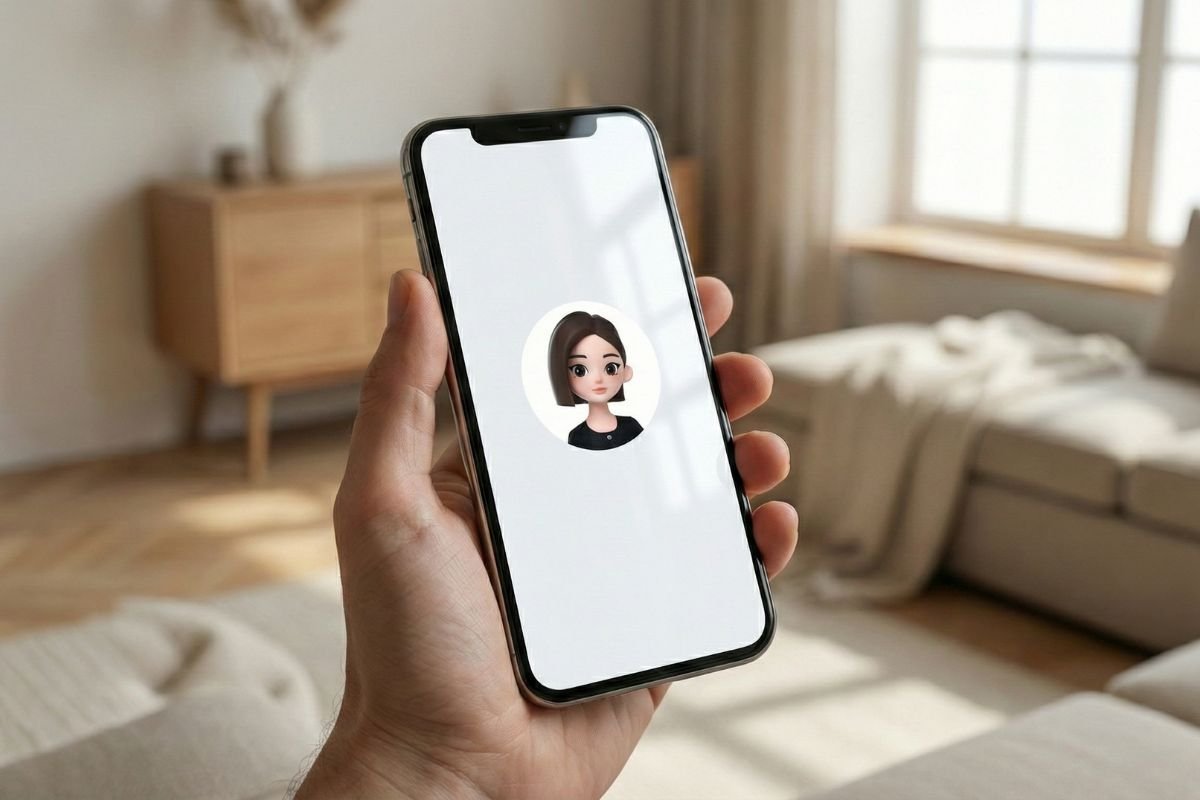
ByteDance, the company behind TikTok, is preparing to relaunch its Doubao AI smartphone in 2026 after its first-generation device ran into early obstacles. The company reworked the project after the initial rollout failed to gain traction.
According to reporting by AI Emergence and Panda Daily, the Chinese tech giant moved ahead with a second-generation model after restrictions limited how Doubao AI could function inside popular mobile apps. The company is now moving forward with a revised device as it continues to test how Doubao fits into consumer hardware.
The second attempt is built with fewer unknowns
Supply chain sources said ByteDance plans to release the second-generation Doubao phone in mid-to-late Q2 2026, with expectations set higher than for the limited first-generation test device. The handset is again being developed with ZTE’s Nubia brand, with Nubia handling the hardware while ByteDance provides the Doubao AI software layer.
The earlier version, released as a technical preview in late 2025, ran into compatibility issues as several major apps restricted automated actions, prompting ByteDance to pull back features and treat the launch as a trial rather than a full commercial release.
Negotiations with major apps shape the next release
People familiar with the matter said the Doubao team has been in talks with major app platforms well ahead of the second-generation launch, focusing on securing limited but functional access for everyday services. Discussions have involved categories such as ride-hailing, food delivery, and ticketing, where deeper system access determines whether an assistant can complete tasks.
Those negotiations are now part of the product roadmap, not a post-launch hurdle. The goal is to enter the market with key permissions already in place, reducing friction for users and partners once the device becomes available.
Looking past a single-device strategy
Aside from its own branded handset, ByteDance is working to place Doubao on a wider range of smartphones through licensing and subscription-based agreements. The approach allows the company to expand distribution without tying the product’s reach to a single device or launch cycle.
For large phone makers such as OPPO, vivo, and Honor, discussions have centered on more limited integrations, including modular access to Doubao features instead of deep system-level placement. At the same time, ByteDance has been in talks with smaller and niche manufacturers about tighter integrations, including pre-installed Doubao entry points, in exchange for technology licensing and ongoing service fees.
Other devices are already in development
The company is also developing other consumer devices tied to Doubao. Products in development include glasses and earbuds designed to work with Doubao outside of a handset.
The additional devices have not been formally launched and remain in development, showing that Doubao is being prepared for use across multiple types of consumer hardware.
TikTok’s future in the US is clearer after ownership changes eased ban risks, though recent outages and policy updates are drawing scrutiny.


