







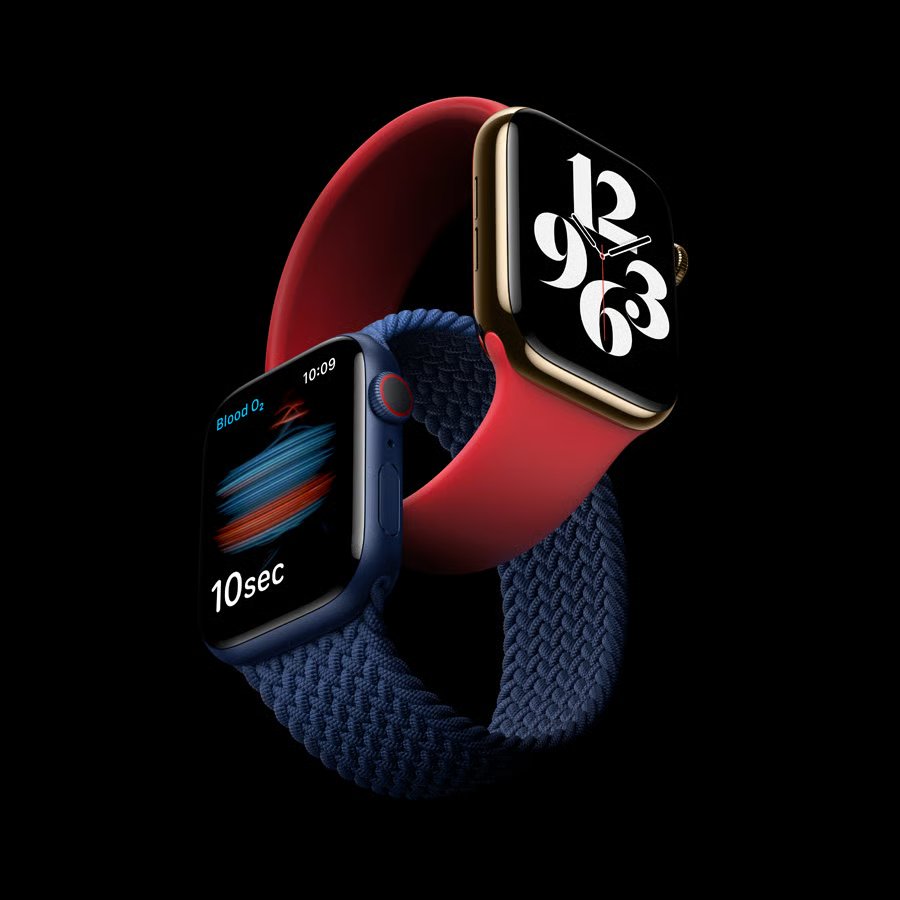
Apple has secured a significant victory in its years-long dispute with Masimo, clearing the path for its blood oxygen feature on the Apple Watch to remain available in the US.
The US International Trade Commission (ITC) has declined to review a prior ruling that found Apple’s redesigned blood oxygen technology does not infringe Masimo’s patents. With that decision, the case has effectively been closed, and the proposed import ban on Apple Watch models will not be reinstated.
According to the ITC’s decision, the redesigned products “do not infringe the Asserted Patents, and therefore, they should not be excluded.”
How the Apple Watch blood oxygen fight unfolded
The conflict dates back to 2020, when Apple introduced blood oxygen monitoring with the Apple Watch Series 6. Masimo soon accused the company of infringing its pulse oximetry patents and even alleged that Apple hired away its employees to build the feature.
The dispute escalated in 2023 when the ITC ruled in Masimo’s favor, leading to an import ban on certain Apple Watch models, including the Series 9 and Ultra 2. To keep sales going, Apple removed the feature from affected devices in the US.
Rather than abandoning the feature entirely, Apple redesigned how it works. The updated system collects data from the watch but processes and displays the results on a paired iPhone instead.
This change proved critical. US Customs and Border Protection approved the redesigned watches in 2025, allowing Apple to resume sales. The ITC’s latest decision confirms that this workaround does not violate Masimo’s patents.
“We thank the ITC for its decision, which ensures we can continue to offer this important health feature to our users. For more than six years, Masimo has waged a relentless legal campaign against Apple, and nearly all of its claims have been rejected,” Apple said in a statement to 9to5Mac.
What this means for users
For consumers, the ruling removes uncertainty around one of the Apple Watch’s most talked-about health tools. Apple can now continue offering blood oxygen monitoring in the US using its redesigned system.
While current versions still rely on the iPhone to display results, the decision opens the door to wider availability of the feature moving forward. It remains unclear whether Apple will restore on-device readings for existing users or limit changes to future models.
Despite this outcome, Masimo still has legal options. The company can appeal the decision to the US Court of Appeals for the Federal Circuit. It is also pursuing separate legal actions, including a patent case where it previously won $634 million in damages against Apple.
Also read: Apple Watch Ultra 4 rumors suggest Apple is still pushing deeper into health tracking and sensor upgrades ahead of its next smartwatch launch.


