









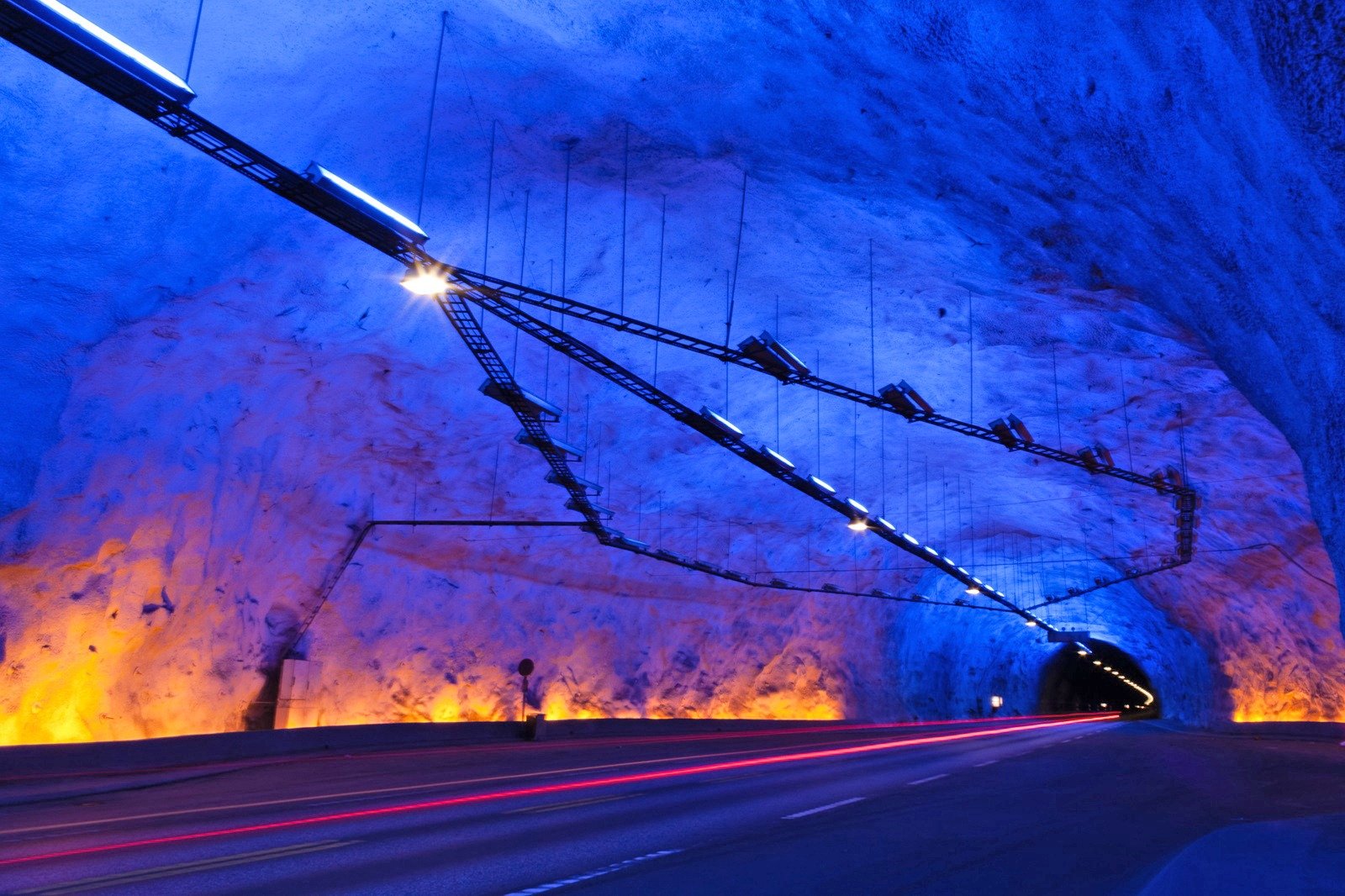
The Zhongnanshan Tunnel is not far from the Tiantaishan Tunnel but outdoes its near neighbour in overall length and how deep it travels under the Earth’s surface. With a maximum depth of 1640-metres, the Zhongnanshan Tunnel is among the deepest in the world. Despite this, it still took only five years to complete the tunnel, which is about the same time as many shorter tunnels that travel at shallower depths in China.
Work started in 2002 on the Zhongnanshan Tunnel, and it was the longest tunnel in Asia when it opened to traffic in 2007.
Zhongnanshan Tunnel, China – 11.21 miles (18.04km)
It cost around 3.2 billion Chinese Yuan (£350 million) to complete the Zhongnanshan Tunnel. This makes it one of the most expensive road tunnels to date in China. Three ventilation shafts provide fresh air to each of the two tunnels, and each tube carries traffic in the opposite direction to the other, so the streams are never together.
Along its 11.21-mile length, there are different coloured lights and patterns projected onto the tunnel’s roof, and artificial plants to provide stimulation for drivers and prevent fatigue.
Yamate Tunnel, Japan – 11.3 miles (18.20km)
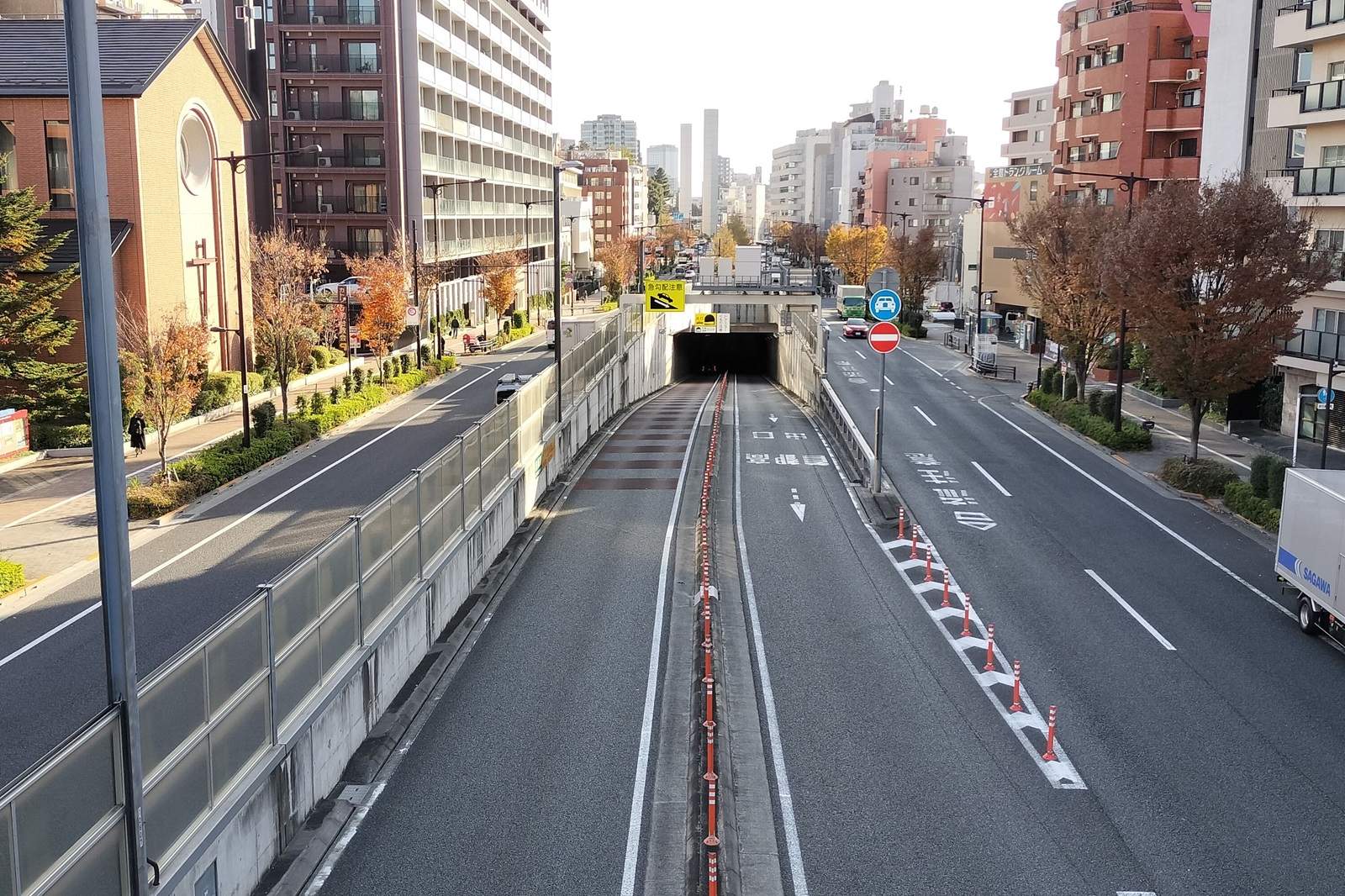

The Yamate Tunnel in Tokyo, Japan is like London’s Blackwall Tunnel but on a grand scale. Where the Blackwall Tunnel is a mere three quarters of a mile long and is as close as 1.7-metres from the riverbed, the Yamate Tunnel runs to 11.3 miles and passes as much as 30-metres beneath the Japanese capital city’s population.
The Yamate Tunnel still holds the honour of being the longest urban tunnel in the world.
Yamate Tunnel, Japan – 11.3 miles (18.20km)
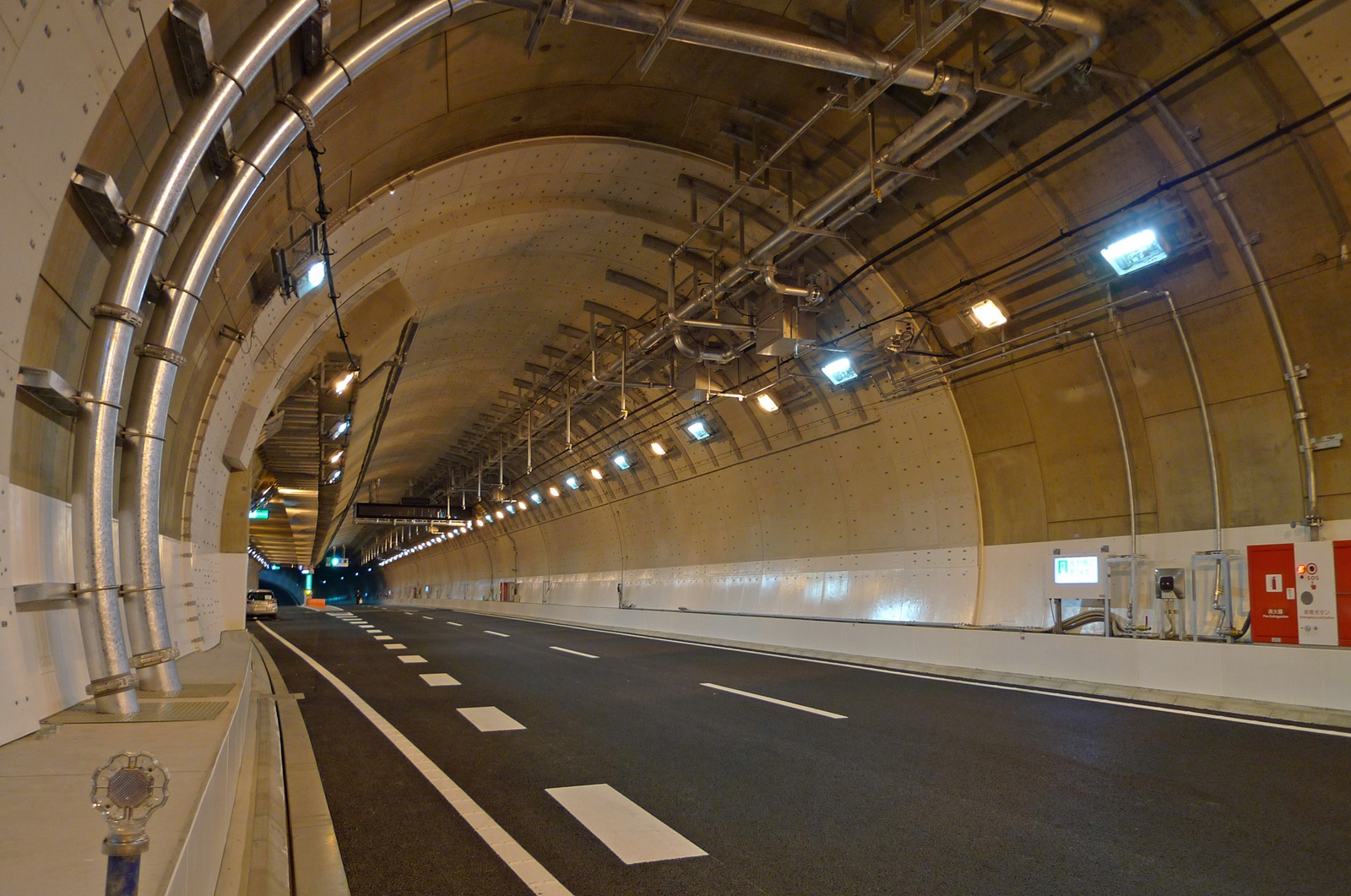

It took 15 years for the Yamate Tunnel to be completed, with delays due to objections from residents and environmental concerns. However, the tunnel was given the go-ahead as it would ease traffic on Yamate Street that runs above the tunnel. Both of the 11-metre diameter tubes that form the Yamate Tunnel have emergency telephones positioned every 100-metres along their length.


