










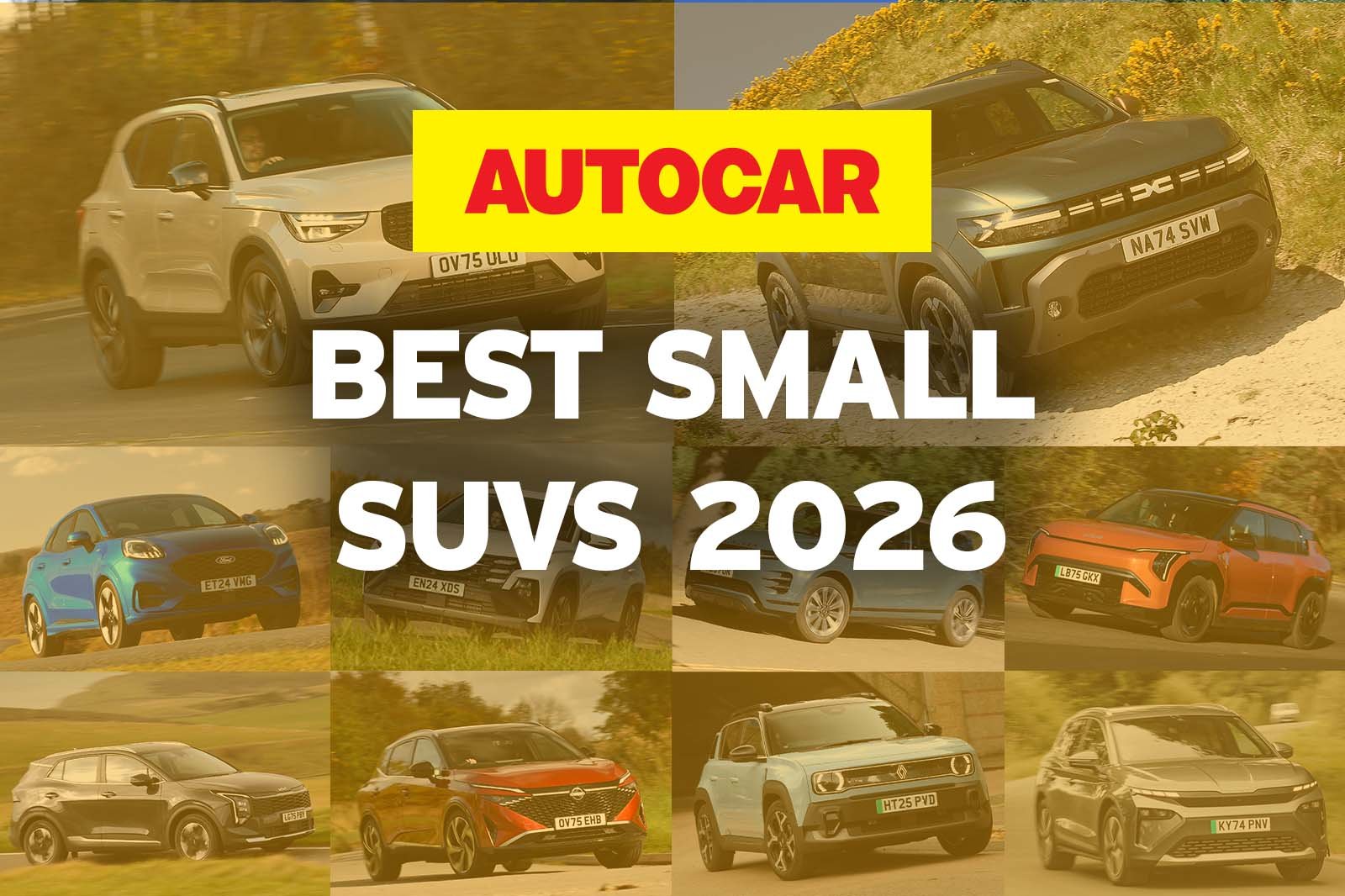
When reviewing small SUVs we assessed each car for how well it balanced compact city dimensions with the ‘big car’ feel buyers expect. Our selection process involves thousands of miles of testing on UK roads to see which models truly offer more than just a raised seating position.
Here’s what we assessed:
Powertrain and efficiency
Small SUVs now offer a complex mix of petrol, mild-hybrid, full-hybrid, and plug-in options. We conducted real-world fuel economy tests across motorway commutes and stop-start urban traffic to see which drivetrains actually delivered on their MPG claims. For electric versions, we measured real-world range and efficiency in different settings.
Ride and handling
Because small SUVs have a higher centre of gravity than the hatchbacks they are based on, they can sometimes lack body control and have a fidgety ride. We evaluated how well each car’s suspension handled pockmarked city streets and whether the steering remained precise enough for confident motorway cruising.
Practicality and space
We measured boot capacity – not just the litre count, but the usability of the space. We tested for flat-loading lips, under-floor storage, and whether rear legroom was sufficient for two adults, as well as children.
Visibility and maneouverability
The main reason people buy these cars is for their commanding view. We assessed each car for front and rear visibility. We also tested turning circles and the effectiveness of parking sensors and 360-degree cameras in tight urban areas.
Refinement and quality
We used decibel meters to measure cabin quietness at 70mph and scrutinised the key touch points – the steering wheel, gear shifter, and infotainment – to ensure they felt durable and premium.


