










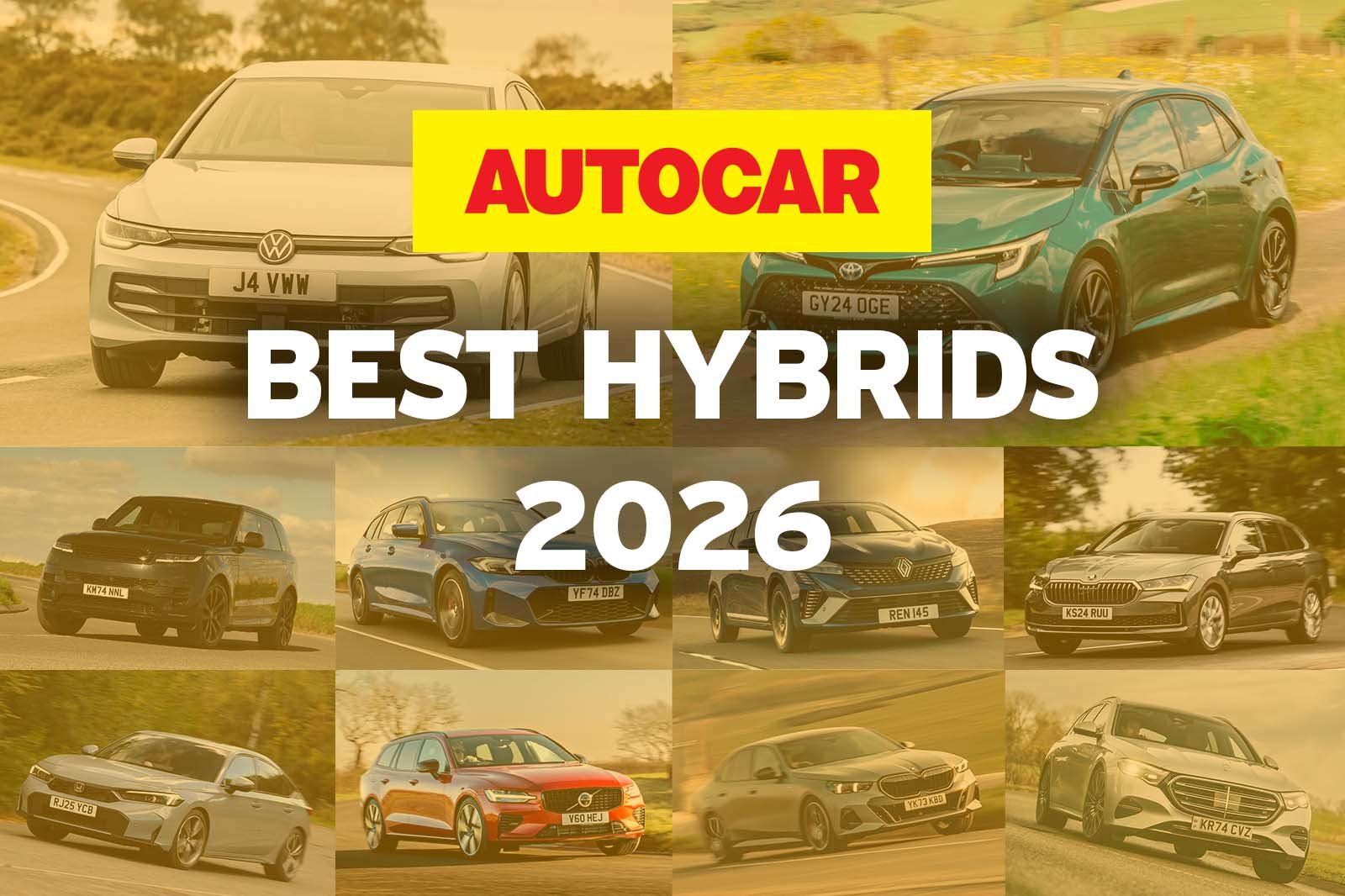
When reviewing hybrids and plug-in hybrids (PHEVs), we focus on the seamlessness of the technology. The best hybrids offer good levels of efficiency, while hiding the complexity of their powertrains with a seamless transition between the electric motor and engine.
Here’s what we assessed:
1. Efficiency and real-world range
For PHEVs, we tested the electric-only range against official WLTP claims to see how many miles they actually cover. For self-charging hybrids, we measured MPG across varied routes – urban stop-start, rural A-roads, and motorways – to ensure they deliver genuine fuel savings over a standard petrol car.
2. Powertrain refinement
We evaluated the transition between electric and internal combustion power. We looked for systems that switch imperceptibly, avoiding the ‘rubber-band’ effect. We also tested performance under full load to ensure the car doesn’t feel underpowered once the battery is depleted.
3. Practicality and packaging
Adding batteries and motors often eats into boot space or fuel tank capacity. We measured the real-world impact on luggage room and passenger comfort. We also tested the ease of use for charging ports on PHEVs and the effectiveness of regenerative braking systems in everyday traffic.
4. Ride and handling
Hybrids are heavier than their petrol counterparts. We assess each car on challenging B-roads to see how they manage their additional weight. We looked for a balance: a car that remains composed through corners without a wooden ride that crashes over potholes.


