







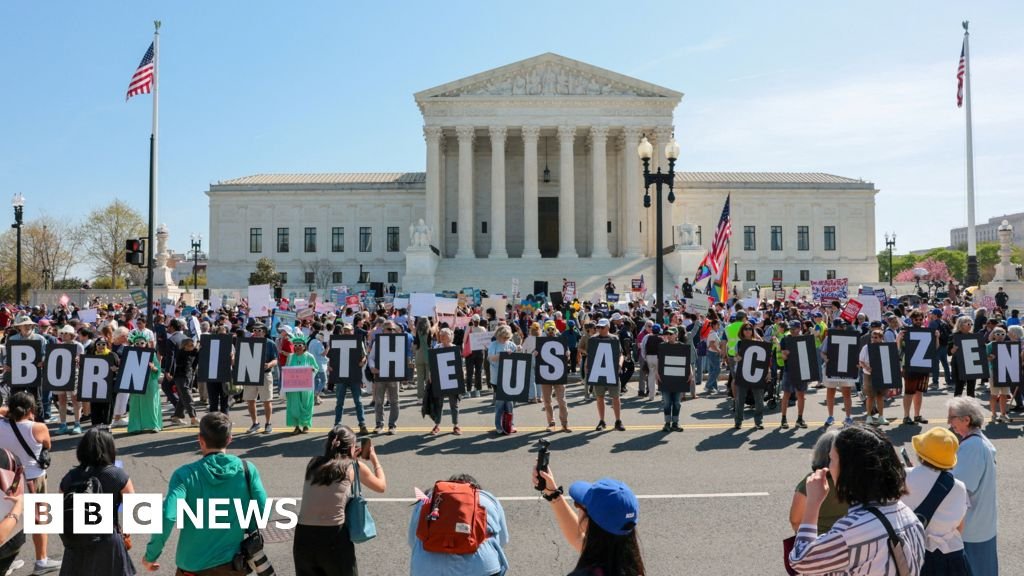
Supreme Court Questions Birthright Citizenship: What the Arguments Mean
The US Supreme Court heard more than two hours of arguments on the constitutionality of birthright citizenship — the principle, enshrined in the 14th Amendment, that anyone born on US soil is automatically a citizen. US Solicitor General John Sauer argued that the 14th Amendment and subsequent court rulings have “mistakenly expanded” birthright citizenship beyond its original intent.
The Legal Arguments
At the heart of the case is whether birthright citizenship — which was extended to formerly enslaved people through the 14th Amendment — should be narrowed. The Trump administration has sought to limit automatic citizenship for children born to undocumented immigrants on US soil, a position that requires overturning decades of established legal precedent. The justices’ questioning during oral arguments was pointed and wide-ranging.
Why This Ruling Matters
A Supreme Court ruling narrowing birthright citizenship would represent one of the most significant shifts in American constitutional law in generations. The decision, expected later this year, could affect hundreds of thousands of children born annually to non-citizen parents in the US. This case sits within the broader political context of immigration policy battles that have defined the current administration — as seen in our coverage of Trump’s domestic and foreign policy challenges this week.


