










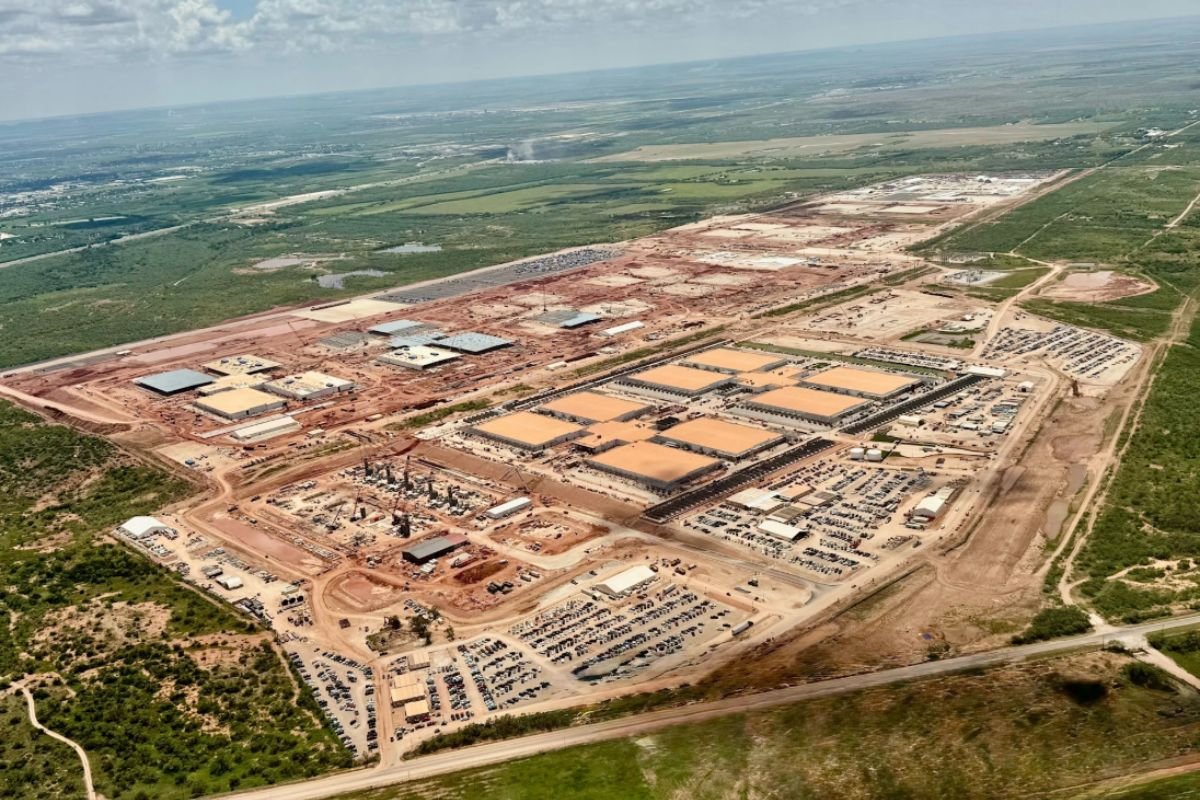
OpenAI is betting it can scale massive AI infrastructure without sticking nearby communities with higher power bills.
In an announcement, the company said its Stargate data centers will fund their own electricity needs, keeping local rates flat even as energy demand surges.
According to OpenAI, Stargate campuses are structured to cover their own energy needs, a promise the company noted is central to how it plans to scale across the US.
A preemptive answer to a growing public worry
OpenAI framed the commitment in blunt terms: Stargate is not supposed to make existing customers pay more for electricity.
The firm repeatedly emphasized a “pay our own way” approach, presenting Stargate as infrastructure that stands financially apart from the communities hosting it. The message was to reassure that AI scale, in this case, is not meant to be subsidized by households or small businesses.
It’s a narrow pledge by design. OpenAI is not arguing that AI is cheap or that energy demand isn’t rising, only that Stargate’s footprint should not translate into higher electricity prices for everyone else.
Structure, not slogans
OpenAI says the pledge is backed by structure rather than assurances. According to the company, Stargate campuses are built around dedicated power generation and storage, with energy infrastructure sized for their AI workloads instead of relying on existing local capacity.
The company also said Stargate projects will fund their own grid upgrades and use custom utility arrangements meant to keep that demand separate from other ratepayers. In some regions, this includes special rate structures tied directly to the campuses, along with demand-response participation that allows facilities to curb consumption during periods of grid stress.
OpenAI cited early deployments as evidence. In Wisconsin and Michigan, partners are financing new energy capacity and battery storage linked to specific sites, while in Texas, new generation is being built to supply a Stargate campus directly. These arrangements form a repeatable model for scaling without shifting costs onto surrounding communities.
AI’s energy footprint is getting harder to ignore
The pledge comes as energy use tied to AI is drawing closer scrutiny. New data centers are being announced at a rapid pace, adding heavy, continuous demand to power grids that were not built for this level of growth, and forcing utilities and regulators to reassess capacity limits.
The issue has already reached global institutions. A UNESCO report last year warned that rising AI electricity use could strain power systems and raise the risk of outages, intensifying a question that follows every new data center announcement: who ends up paying when demand spikes?
The cost question reaches the White House
The cost debate has reached the White House, where President Donald Trump recently warned Microsoft not to pass the electricity costs of AI expansion onto American consumers, making clear that higher electricity costs for households are politically unacceptable.
The warning raises the stakes for OpenAI and others building at scale. Higher electricity prices would pull AI expansion into the political arena, where public pledges are no longer optional.
OpenAI stepped beyond AI tools and into workforce training, launching its first formal certification program built around hands-on courses delivered through ChatGPT.


