










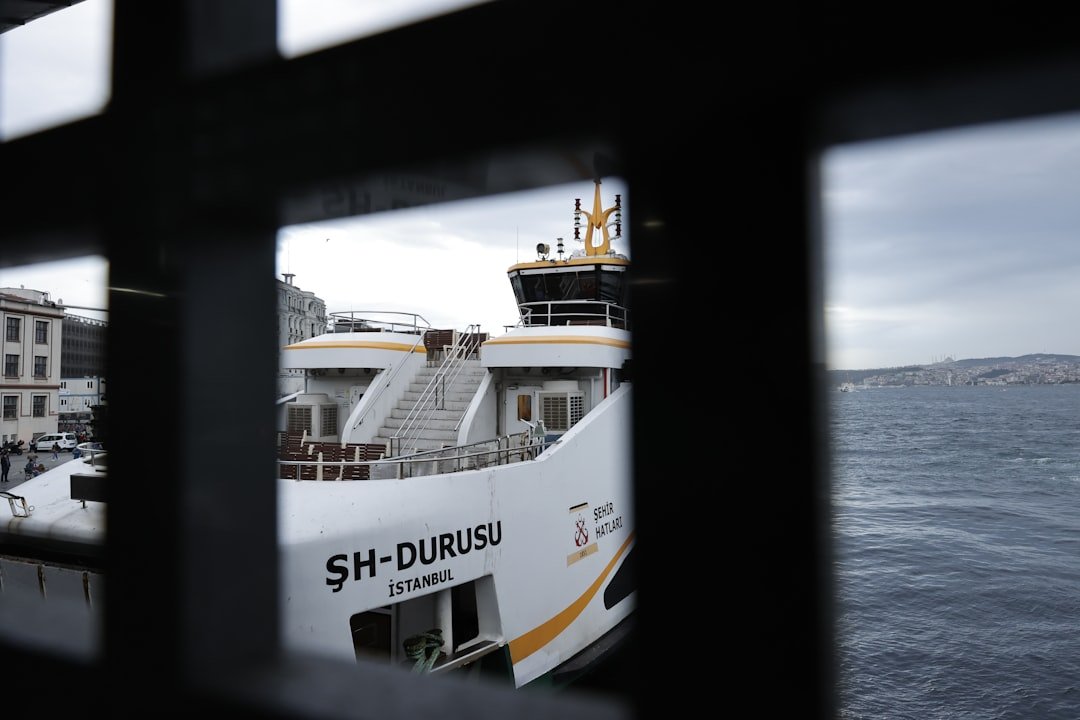
Remote-access malware discovered aboard an Italian passenger ferry has triggered a major international cybersecurity investigation.
Whether it’s a watertight case remains to be seen, but French authorities have arrested a Latvian crew member suspected of installing sophisticated spyware capable of hijacking vessel control systems.
The unprecedented cyber infiltration of a ferry carrying over 2,000 passengers has exposed alarming vulnerabilities in maritime infrastructure and sparked fears about state-sponsored attacks targeting civilian transportation networks.
French intelligence agencies uncovered what appears to be a coordinated foreign interference operation targeting the GNV Fantastic while docked at the Mediterranean port of Sète. The malicious Remote Access Trojan (RAT) could have potentially allowed hackers to gain remote control of critical ship systems. Italian intelligence services initially flagged the suspicious activity to their French counterparts after GNV operators detected the breach, leading to swift arrests and an ongoing counterespionage investigation.
France’s Interior Minister Laurent Nuñez strongly hinted at Russian involvement in the operation, telling reporters that “these days, one country is very often behind foreign interference.” The Paris prosecutor’s office launched a formal investigation into suspected cyberattacks” by an organized group to attack an automated data-processing system, with the aim of serving the interests of a foreign power.”
European security experts warn this incident represents part of Russia’s broader “hybrid warfare” campaign against Ukraine’s allies, involving sabotage, cyberattacks, and disinformation operations that remain difficult to trace directly back to Moscow. France’s counterespionage agency DGSI has assumed control of the investigation, conducting emergency searches in Latvia with support from Eurojust and seizing multiple items for analysis.
Two crew members—one Latvian, one Bulgarian—were initially detained after Italian authorities flagged them as suspects, though the Bulgarian national was released while the Latvian suspect faces charges of conspiring to infiltrate computer systems on behalf of an unnamed foreign power.
Maritime cybersecurity
The shipping industry’s increasing reliance on digital systems has created unprecedented vulnerabilities that threat actors are actively exploiting. Modern vessels now depend heavily on digital access and control systems, introducing significant risks due to insufficient authentication and access controls. Where ship operation historically required physical presence in the captain’s quarters, today’s technologies allow individuals from virtually any workstation to access and control critical maritime infrastructure.
The International Association of Classification Societies responded to growing threats by introducing new cybersecurity requirements UR E26 and E27 this year, mandating that cyber resilience be embedded into ship design from the ground up. These requirements focus specifically on ship cyber resilience and onboard system protection, aiming to help vessels withstand disruption and mitigate cyberattack impacts on public safety.
Transport sectors, particularly maritime and logistics operations, have emerged as high-value targets for ransomware and state-sponsored attacks, with European threat assessments from two months ago showing nearly 80% of recorded incidents involving hacktivist activities. The trend reflects a broader shift toward targeting critical infrastructure that directly impacts civilian safety and economic stability across European waters.
What this means
The Fantastic ferry returned to service after extensive security checks confirmed no operational damage occurred, GNV announced, though the investigation continues as authorities work to prevent similar incidents across Europe’s critical maritime infrastructure. This unprecedented cyber infiltration marks a dangerous escalation in state-sponsored attacks against civilian maritime systems, forcing the industry to confront new realities about digital vulnerabilities at sea.
Maritime operators must now implement stricter access controls and monitoring systems to prevent malicious infiltration, while governments establish rapid response protocols for cyber incidents affecting critical transportation infrastructure. The international cooperation between French, Italian, and Latvian authorities showcases the urgent need for coordinated maritime cybersecurity frameworks, as threat actors demonstrate their willingness to target vessels carrying thousands of passengers with potentially catastrophic implications for public safety.
Cisco has dropped an urgent security alert about a zero-day vulnerability that Chinese state-sponsored hackers have been actively exploiting for weeks.


