










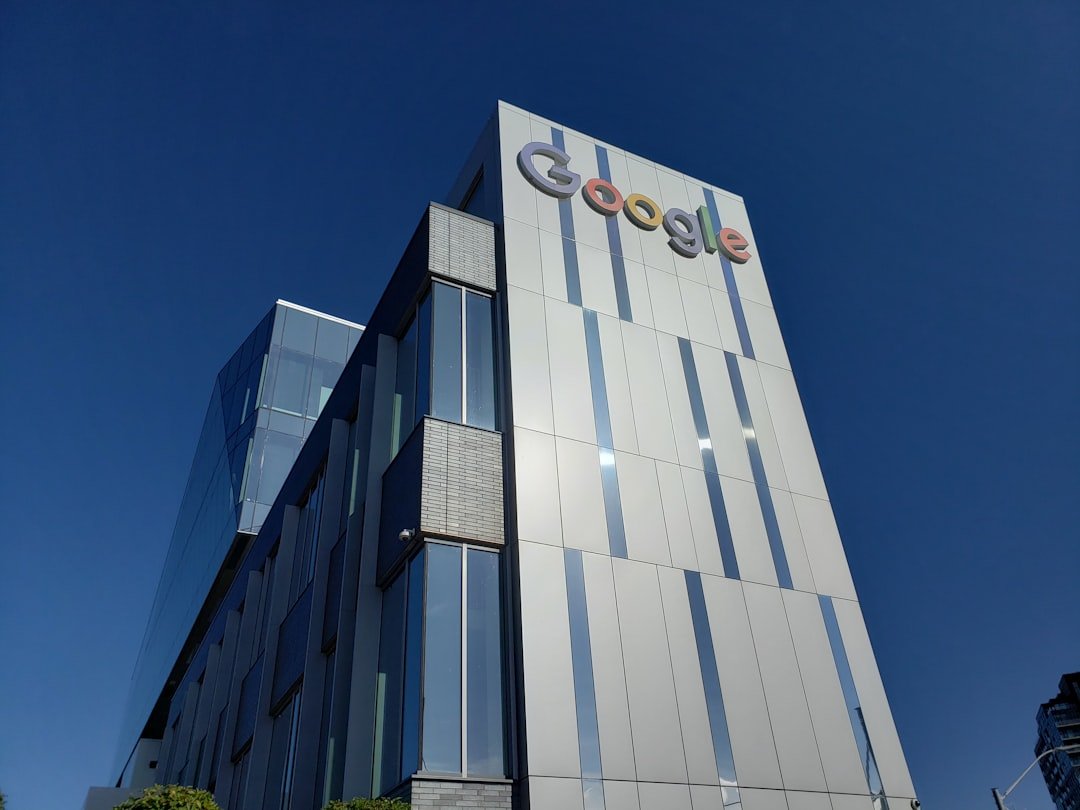
While resistance grows in some regions, Google has secured approval for a controversial data center in the UK.
The precise location is at North Weald Airfield in Essex, marking a significant victory for the company’s European expansion plans. The tech giant purchased 52 acres of the historic airfield site for £88.4 million, paying approximately £1.7 million per acre.
According to a BBC report on Dec. 14, the development faces significant local opposition despite receiving approval, with North Weald Bassett Parish Council formally objecting to the plans over multiple concerns. The council cited potential impacts on airfield operations, heritage preservation issues affecting the Grade II-listed Air Control Tower, and construction disruption during the 36-month building period, local government reports indicate.
Community sentiment remains divided, with a parish council survey revealing 55.84% of residents opposing the project due to traffic concerns and questions about local job creation, while 44.16% supported it for potential economic benefits, parish council data shows. The proposed facility will include two data center buildings and offices totaling over 830,000 square feet (ca. 8 ha) of floorspace — equivalent to 15 football/soccer fields — while maintaining existing airfield operations.
Zoom out
That’s the UK above, but it’s only a small part of the whole scene.
Data released this month revealed that Google, Amazon, Microsoft, and Meta are projected to spend over $400 billion on data centers in 2026, following more than $350 billion this year, according to analysis from the Financial Times. This massive investment surge comes as AI demands drive exponential growth in computing power requirements nobody saw coming.
The scale of individual projects has grown dramatically, with facilities like the Stargate Project near Abilene, Texas set to become one of the world’s largest data centers. This ambitious development will consume 1.2 gigawatts of electricity — enough to power a million American homes. The project’s scope has earned it the industry nickname “Project Ludicrous” due to its ambitious timeline and scale.
Why communities are fighting back
As with the UK above, resistance to data center developments is intensifying across multiple regions, with communities increasingly concerned about environmental impact and limited local benefits. In Franklin, Indiana, residents celebrated when Google withdrew its data center proposal three months ago, with cheers erupting at the public meeting where the cancellation was announced, NPR documented in mid-October. Community members had raised concerns about massive water and electricity consumption, while questioning what benefits would actually reach local residents.
The opposition movement is gaining momentum nationwide, with financial consequences mounting for developers. Data Center Watch research shows that $98 billion worth of projects were blocked or delayed due to local action in just the second quarter of 2025 alone — exceeding the total for all previous quarters since 2023, tracking data reveals from last week’s report.
Energy consumption concerns are driving much of the resistance, as data centers place enormous strain on electrical grids. Current AI data centers consume as much electricity as 100,000 households, while the largest facilities under development will require 20 times more power, the International Energy Agency discovered in recent findings. Power grid operators are struggling to keep pace, with S&P Global predicting that US data centers will require 22% more power by the end of 2025 compared to last year, and nearly triple that amount by 2030.
The future of digital infrastructure
The data center construction boom shows no signs of slowing, with new facilities expected to triple the sector’s electricity demand over the next decade. By 2035, data centers will draw 106 gigawatts of power, up sharply from 40 gigawatts today, BloombergNEF research predicts. This growth will increasingly shift to rural areas as urban sites become scarce and facilities grow larger.
The economic implications extend far beyond the tech sector, with Harvard economist Jason Furman estimating that data center and related technology spending accounted for 92% of US GDP growth in the first half of 2025. However, the environmental costs are mounting, with US data center expansion potentially generating up to 44 million additional tons of carbon dioxide equivalent annually in extreme scenarios, environmental studies indicate.
The North Weald approval represents a critical test case for how communities and tech companies will balance digital infrastructure needs with local concerns and environmental impact. As Google and other tech giants continue their global expansion, the outcome of projects like this could determine whether the current construction boom continues unabated or faces increasing regulatory and community resistance worldwide.
Perhaps the solution is to look up. Blue Origin and SpaceX are exploring putting AI computing power in orbit, tapping into limitless solar energy and shifting the future of where data gets processed.


