









The European Union (EU) has firmed up plans for a new class of European-made small electric cars – and will incentivise manufacturers to produce them by offering extra credits against emissions targets.
Its legislative arm, the European Commission (EC), has already agreed to work with car makers on the development of a new class of vehicles loosely based on Japan’s kei car class, and has now given first details of them as part of the major new automotive package that pushes back a ban on the sale of new ICE cars.
The new class will be for small EVs only and a sub-category of the M1 passenger car class, branded M1E. Cars won’t be allowed to exceed 4.2m in length – significantly bigger than the 3.4m maximum length for kei cars.
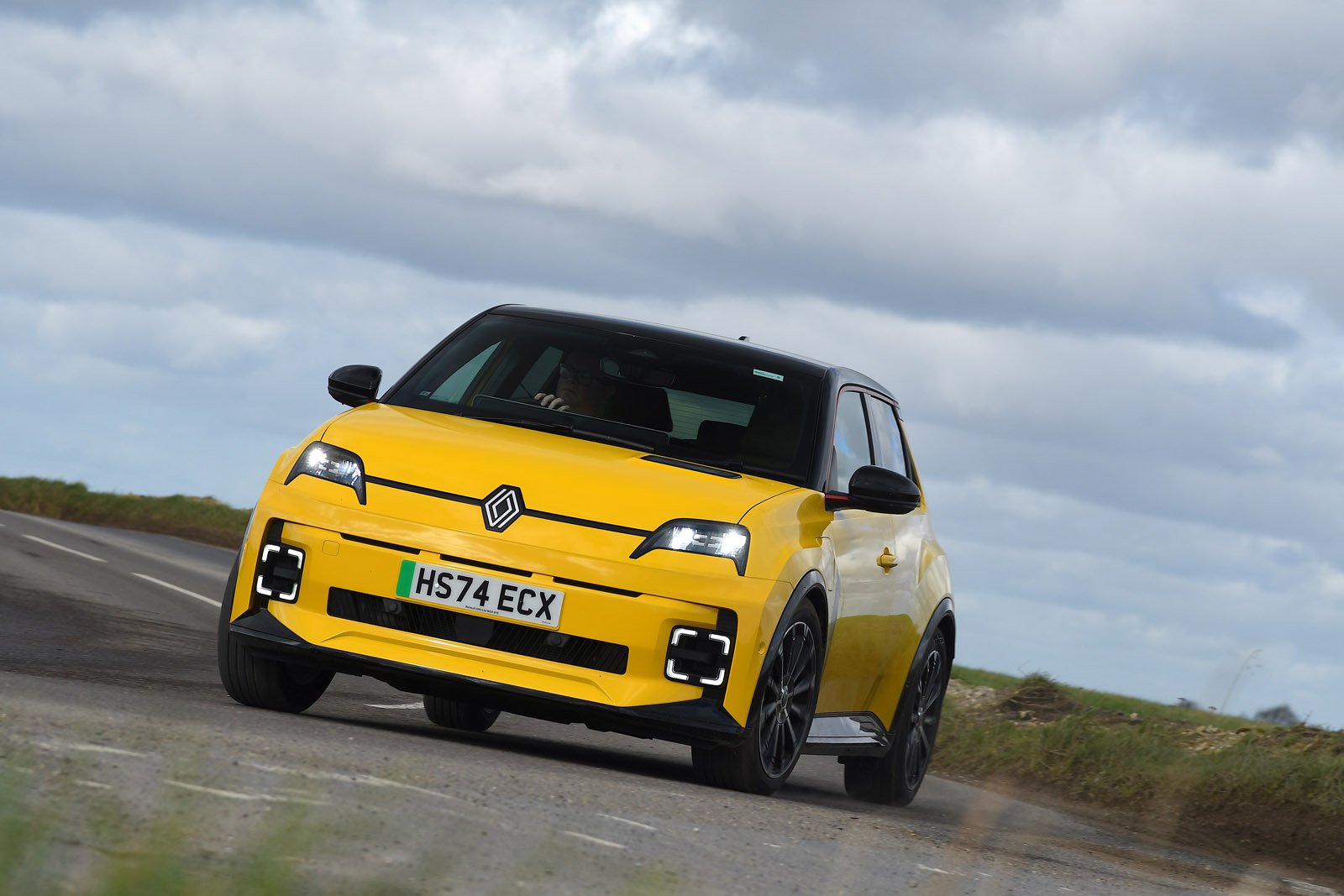
Notably, that means cars such as the Renault 4 (4.1m) and Renault 5 (3.9m) and the Volkswagen Group’s forthcoming small EVs, such as the Volkswagen ID Polo (4.1m), will all potentially be eligible for the category.
Full technical details of the M1E class won’t be known until the draft changes to EU regulation 2018/858 have been published, but the EC has said that it is aiming to freeze the requirements for the category for 10 years to give car makers certainty. Although the rules will be drawn up by the EC, they will need to be approved by the European Parliament.
Notably, M1E cars manufactured within the EU will be eligible for “super credits” against the relevant manufacturers’ EU-set CO2 targets. Instead of counting as one credit, each EU-built M1E car sold will earn 1.3 credits, giving considerable incentive to manufacturers to sell them.


