







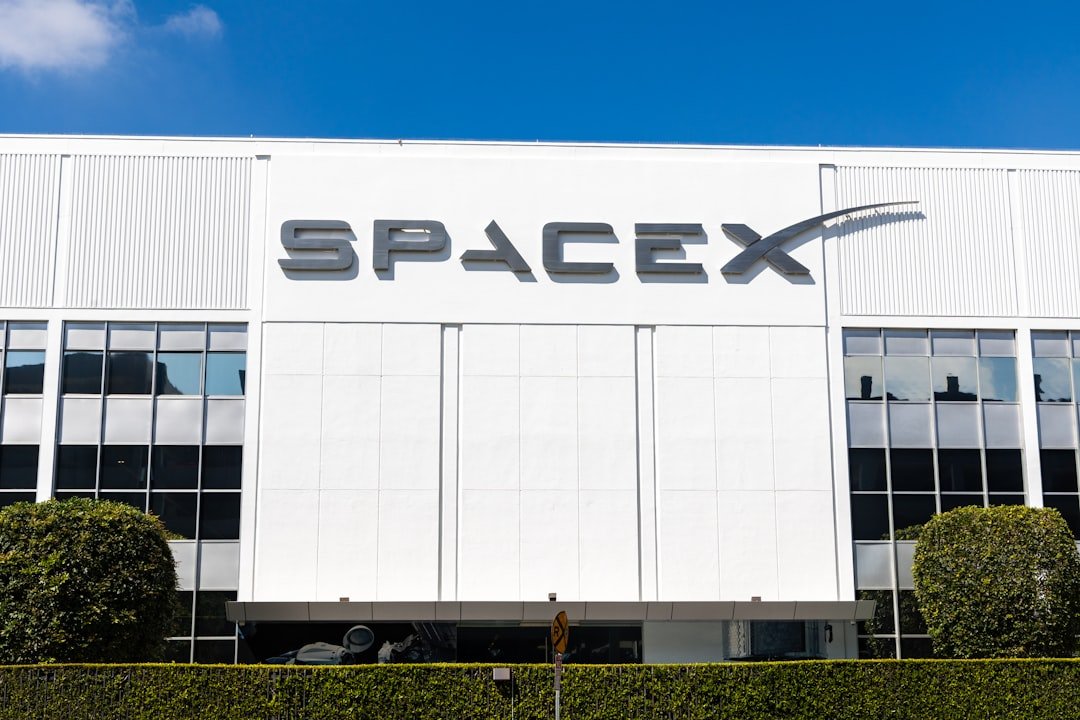
The stars, their destination. SpaceX executives have made contact and confirmed an initial public offering targeting a $1.5 trillion valuation in 2026.
This could be the moment space exploration transforms from billionaire playground to mainstream investment opportunity that could redefine entire markets.
Elon Musk’s SpaceX solidified its current valuation at an eye-watering $800 billion through its latest secondary share offering. That milestone alone makes it the world’s most valuable private company, crushing OpenAI’s previous $500 billion record. The 2026 public debut could nearly double that valuation, targeting a $1.5 trillion market cap that would rival entire national economies.
Rewriting space economics
Prepare for the largest IPO in human history. SpaceX’s public offering strategy will raise more than $30 billion—three times more than the company has raised in its entire 23-year existence since 2002.
Behind these astronomical figures lies perfectly timed market momentum. The space economy, currently worth $630 billion, is projected to triple by 2035. SpaceX doesn’t just participate in this growth—it dominates it entirely, controlling over 90% of global launch mass and operating 65% of all satellites currently in orbit through its Starlink constellation.
Chief Financial Officer Bret Johnsen revealed the company’s ambitious roadmap in a memo to shareholders, explaining how the massive capital injection would fund an “insane flight rate” for the developmental Starship rocket, AI-powered data centers in space, and establishing a lunar base. The current secondary offering prices shares at $421 each—nearly double the $212 price from just months ago, when the company was valued at $400 billion.
Investors and the future of space
This IPO represents far more than a single company listing—it’s the complete democratization of space investment. Currently owned by Musk alongside select investment funds including Google’s parent company Alphabet, the public offering would open SpaceX to individual investors for the first time in the company’s history.
The market conditions couldn’t be more favorable. SpaceX expects revenue to surge from $15 billion in 2025 to between $22-24 billion in 2026, with Starlink satellite internet service driving the majority of income. The company has maintained cash-flow positivity for years while conducting biannual stock buybacks, demonstrating the financial stability that public investors desperately seek.
For Alphabet shareholders, this represents an extraordinary windfall opportunity. The tech giant’s 2015 investment of $1 billion for a 10% stake has already generated $8 billion in unrealized gains by Q1 2025. If SpaceX achieves its $1.5 trillion IPO target, Alphabet could see an additional $111 billion boost to its portfolio value—a return that would make even the most successful venture capitalists envious.
The challenges
While SpaceX’s IPO promises reach for the stars, significant hurdles lie ahead. Going public means subjecting Musk’s risk-taking culture to quarterly earnings pressures and regulatory scrutiny from the Securities and Exchange Commission. The company’s ambitious Mars colonization plans and experimental Starship program—which has suffered several explosive setbacks during 2025 test flights—could face investor skepticism.
Regulatory obstacles and geopolitical tensions also present substantial risks, particularly as SpaceX positions itself as critical US defense infrastructure with $3 billion in projected military contracts by 2025. Musk’s divided attention across multiple ventures, from Tesla to his recent political involvement, adds another layer of uncertainty for potential public shareholders who demand focused leadership.
The ultimate success of this historic IPO will depend on SpaceX’s ability to execute flawlessly on its most ambitious projects while navigating the complex transition from private innovation lab to public company accountability. With the 2026 timeline now confirmed by Musk himself, the countdown to the most significant space investment opportunity in history has officially begun.
Explore the 10 biggest tech stories of 2025, from AI megacenters and space-powered data centers to record-breaking breaches, outages, and satellite showdowns.


