










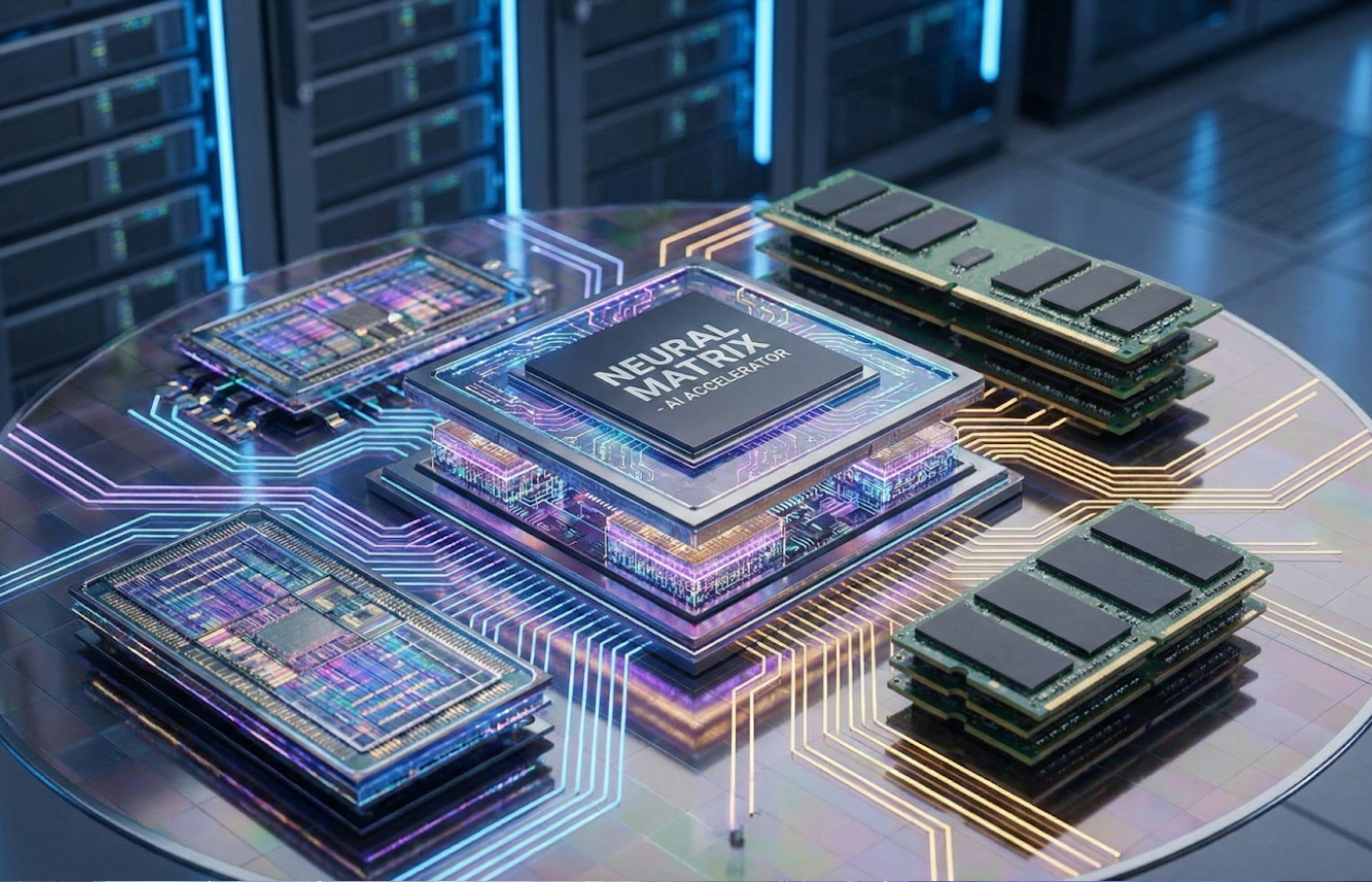
The gloves are coming off in the artificial intelligence arena, with Tesla and xAI boss Elon Musk issuing a stark warning about an impending “all-out war” over AI hardware.
This high-stakes battle, Musk suggests, is being catalyzed by the rollout of Nvidia’s next-generation Blackwell chips. His comments came after investor Gavin Baker discussed growing competition among AI infrastructure giants on the Invest Like the Best podcast.
Reacting to the discussion on X, Musk wrote, “AI is the highest ELO battle ever. Speed of deployment of hardware, especially robotics, is the [linchpin].”
The Elo system, first used to rank chess players, is now widely applied in sports, esports, and even large language models. Musk’s reference underlines his view of AI as a winner-takes-most contest where speed matters more than anything else.
Why Nvidia’s Blackwell chips matter
At the center of Musk’s warning are Nvidia’s Blackwell chips, which many in the industry believe could reset the economics of AI. Baker explained that moving from Nvidia’s current Hopper chips to Blackwell has been unusually difficult.
Baker described the transition as “by far the most complex product transition we’ve ever gone through in technology,” citing challenges such as higher power consumption, liquid cooling, heavier racks, and intense heat management. Those hurdles caused delays in Blackwell’s rollout, slowing Nvidia at a critical moment in the AI race.
The slowdown provided Google with a short-term opportunity. Baker said Google used the window to become the lowest-cost producer of AI “tokens,” cutting prices aggressively and putting pressure on rivals.
He warned that this approach, while rational in the short run, was draining the wider market, saying it was “sucking the economic oxygen out of the AI ecosystem,” as reported by The Times of India. This pricing push helped Google gain ground while Nvidia worked through Blackwell’s technical challenges.
A possible flip by 2026
That balance may not last. Baker said the first major AI models trained on Blackwell chips are expected to appear in early 2026. He noted that Elon Musk’s xAI could be among the earliest players to deploy the new hardware at scale.
The newer GB300 systems are designed to be “drop-in compatible,” which could make Nvidia-powered systems the cheapest option once fully rolled out. If that happens, Google may be forced to rethink its low-cost strategy, potentially affecting margins and competitive behavior across the industry.
Further intensifying the battle lines, Meta Platforms is reportedly negotiating to purchase Google’s TPUs for its data centers. This move is expected to commence as soon as 2026, with a broader rollout planned for 2027.
Nvidia, for its part, has acknowledged Google’s progress while insisting it remains ahead, claiming it is still “a generation ahead” of competitors. Musk’s warning highlights that the next phase of AI competition will be decided less by clever code and more by who can build, ship, and run powerful hardware the fastest and cheapest.
Also read: Nvidia denies “far-fetched” smuggling claims as allegations swirl that China’s DeepSeek trained on smuggled Blackwell chips.


