


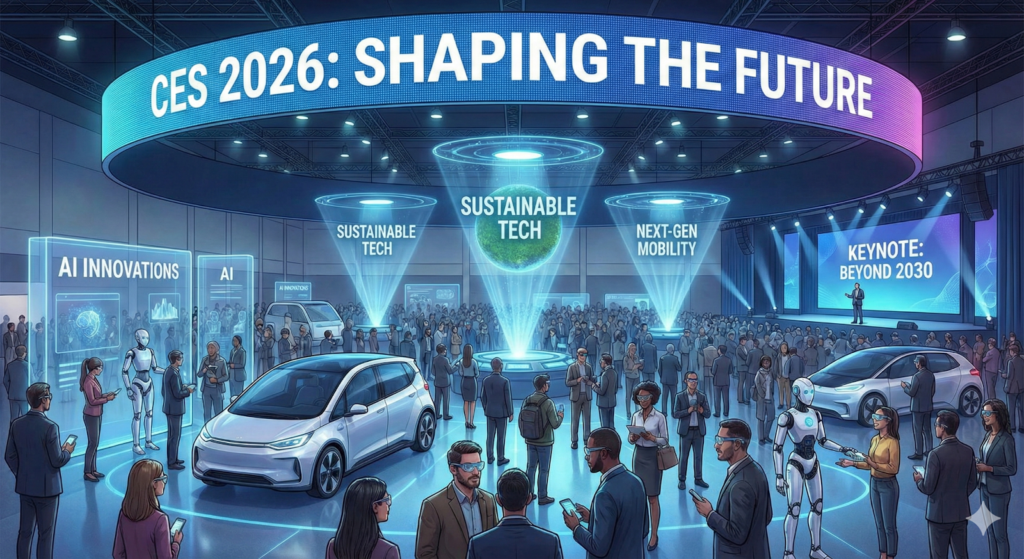
CES 2026 is opening at a time when the tech industry has stopped talking about what might be possible. Now it’s about what actually works.
Artificial intelligence is no longer a side act or a speculative bet. Its infrastructure is baked into devices, platforms, and workflows that are expected to deliver measurable value. As companies take the stage in Las Vegas, the focus is shifting from concept demos to deployable products… from hype to execution.
This article will track the most important CES 2026 announcements as they happen, highlighting the launches, partnerships, and trends that signal where technology is headed next and which innovations are ready to move beyond the show floor.
Google TV gets a Nano Banana boost at CES
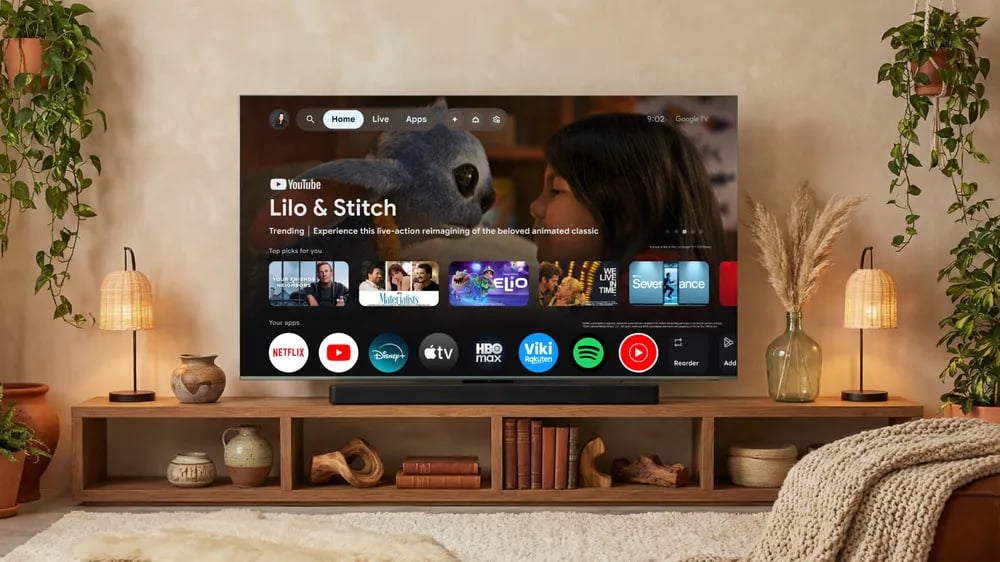
Google just announced the expansion of Google TV beyond simple streaming with a major Gemini AI upgrade that brings creative tools like Nano Banana and Veo directly to the big screen.
With these AI models, users can reimagine personal photos or generate original visuals right on their TV, turning a traditional living room experience into an interactive creative space. Gemini also adds richer responses with imagery and videos, natural language control for settings, and deeper integration with Google Photos — all pointing to a future where your TV isn’t just smart, it’s imaginatively generative.
Lego brings ‘Smart Play’ to CES

Lego stepped into the spotlight at CES 2026 with the announcement of its new Smart Play system, signaling a major evolution of its classic brick-based experience.
Centered on a Smart Brick with built-in computing, lights, sounds, and sensors, the system blends physical building with digital interactivity, allowing creations to respond to movement and touch. Set to debut with select themed sets before a wider rollout, Smart Play positions Lego squarely at the intersection of toys, tech, and interactive play, expanding how builders of all ages engage with their creations.
It is available for pre-order starting Jan. 9 in select markets.
Samsung Display bets on OLED as the interface for AI
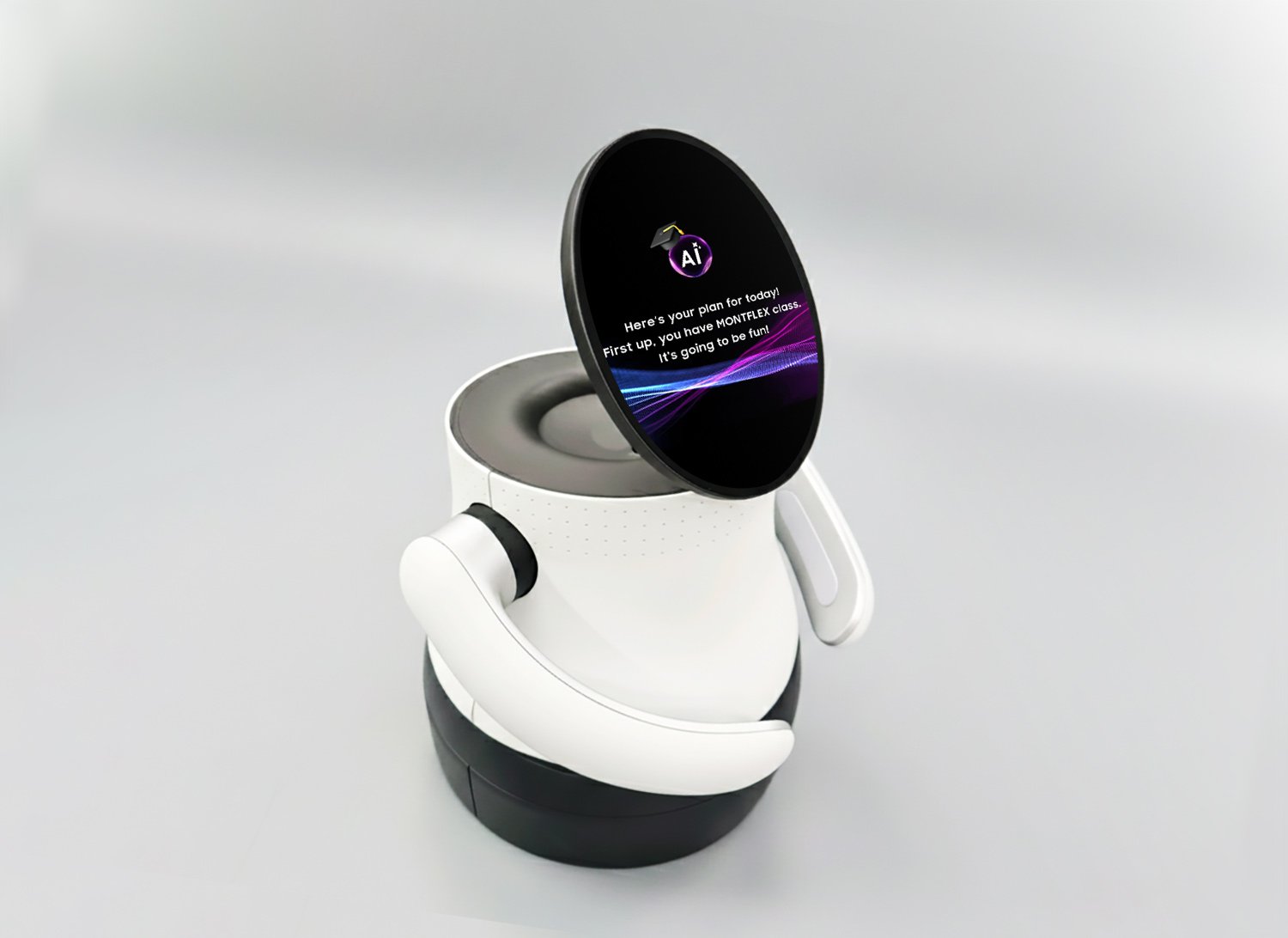
On Jan. 4, Samsung Display unveiled a forward-looking showcase focused on how OLED displays will serve as key interfaces in the AI era.
Under its CES theme, the company highlighted concept devices and real-world demos that blend flexible OLED technology with AI-driven interaction, from expressive assistant displays to advanced automotive and laptop panels. The exhibit underscored OLED’s role not just in visual quality, but in enabling smarter, more adaptive experiences across everyday devices.
And don’t miss our tech finance wrap-up either: Nvidia’s completed $5 billion investment in Intel underscores a strategic alliance reshaping the CPU-GPU landscape and US semiconductor leadership.
