The right birthday theme depends a lot on who’s turning a year older — a theme that delights a six-year-old will fall flat for a 30th birthday, and vice versa. Here are 18 themes organized by age group so you can find a fit fast. See also: nails. See also: hair. You will find more ideas in fashion & outfits.
Key takeaways
- Match the theme to the guest list size and age range — activity-heavy kids’ themes don’t scale to all-ages crowds.
- Backyard-based themes are consistently the most budget-friendly since there’s no venue cost.
- Book popular venues and caterers 2-3 months ahead for milestone birthdays.
In this article
- Kids’ Parties
- Tween & Teen Parties
- Adult Birthdays
- Milestone Birthdays (30th, 40th, 50th+)
- Making Any Theme Work on a Timeline
- Budgeting by Theme
- Frequently Asked Questions
- Mixing Themes Across Age Groups
- Adapting Themes for Small Groups
- Handling the Guest of Honor’s Nerves
- Planning Around Weather
- Keeping Kids’ Parties Manageable for Parents
- Capturing the Day Without Overdoing Photography
- Balancing Nostalgia With Something New
- Including the Birthday Person in Planning
- The Simplest Theme Is Often the Best One
- Setting a Realistic Guest List
Kids’ Parties
- Under the sea. Blue and teal decor, fish-shaped snacks, and a bubble machine if you can swing it.
- Dinosaur dig. A sandbox “excavation” activity with small toy dinosaurs buried inside is an easy, memorable centerpiece.
- Superhero training camp. Simple obstacle courses and capes turn any backyard into an “academy.”
- Art party. Easels, smocks, and a simple painting project guests take home as their favor.
- Backyard carnival. A few DIY games (ring toss, bean bag) with small prizes recreates a carnival on a budget.
Tween & Teen Parties
- Sleepover spa night. Face masks, mocktails, and a movie marathon.
- Neon glow party. Blacklights, glow sticks, and a playlist that keeps the energy up.
- DIY photo booth bash. Props, a simple backdrop, and a phone tripod cover the “photo booth” without renting equipment.
- Bonfire & s’mores. Low-cost, high-nostalgia, and easy to host in a backyard.
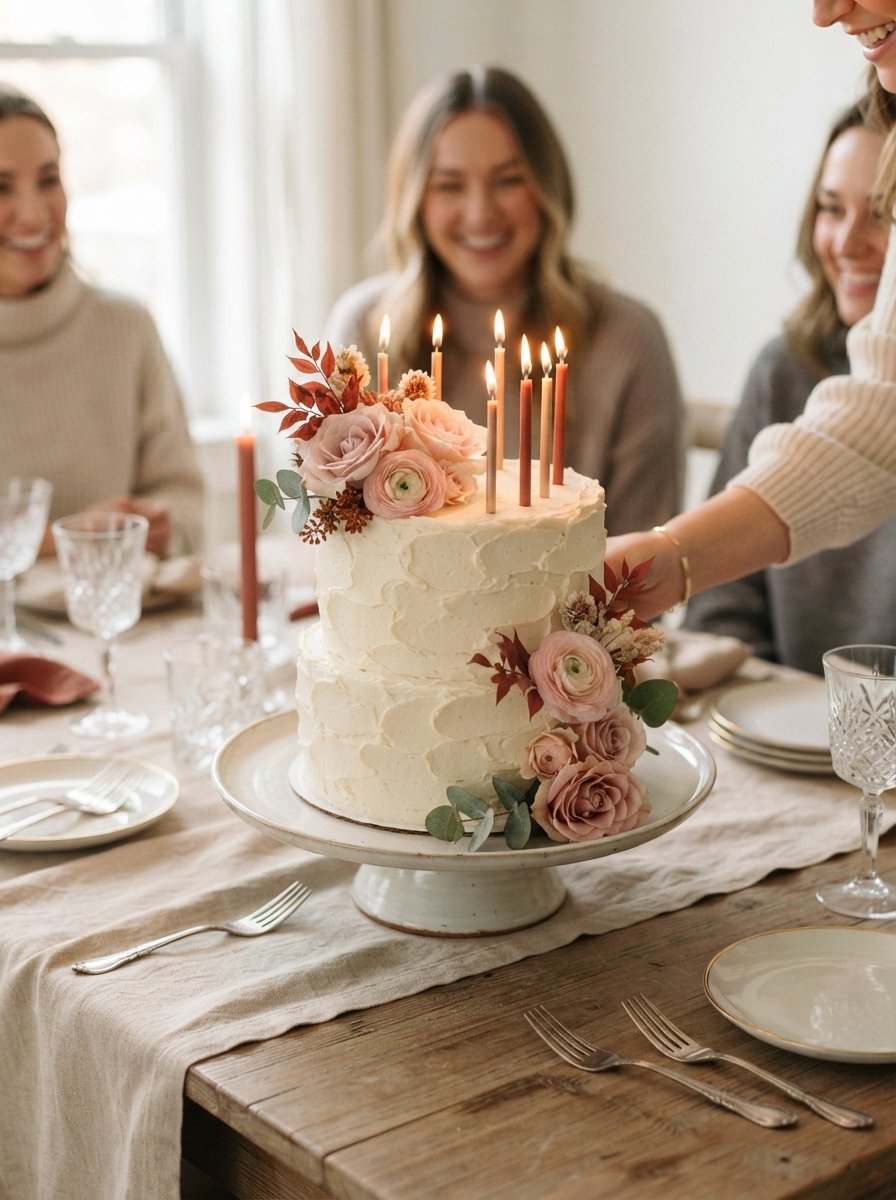
Adult Birthdays
- Wine tasting night. A few labeled bottles, simple tasting notes, and good cheese.
- Decades party. Pick a decade (70s, 90s) for music, outfits, and decor — instantly gives guests a fun dress code.
- Rooftop or backyard cocktail hour. String lights, a signature cocktail, and good playlist do most of the work.
- Game night. Board games or card games with a few rounds of a group game everyone can join.
Milestone Birthdays (30th, 40th, 50th+)
- Black-tie-optional dinner. A slightly elevated version of a normal dinner party — ask guests to dress up a notch.
- “Then and now” photo memory wall. Guests bring a printed photo from over the years, displayed as a growing timeline through the night.
- Destination weekend. A small group trip instead of a single-night party for milestone years worth marking bigger.
- Surprise party. The classic for a reason — works for nearly any milestone if the guest of honor genuinely likes surprises.
- Backyard garden party. Elegant but relaxed, with soft lighting and a seated dinner under string lights.
Making Any Theme Work on a Timeline
Once you’ve picked a theme, work backward from the date: send invites 3–4 weeks out, order any specialty items (cake, decor) 2 weeks out, and confirm final headcount a few days before so food and drink quantities are accurate. Related reading: weddings. See also: wellness & self-care.
Hosting a sit-down celebration instead of a themed bash? Our guide to hosting a stress-free dinner party covers the logistics that make any milestone dinner run smoothly. If you want to go further, beauty & makeup covers it in detail.
Budgeting by Theme
Backyard-based themes (bonfire nights, garden parties, carnival games) tend to be the most budget-friendly since you’re not paying for a venue. Anything involving specialty rentals (photo booths, catering, destination trips) costs more but can often be simplified — a DIY photo backdrop instead of a rented booth, for example, gets a similar effect for a fraction of the price. For more on this, see our relationships & dating guide.
Frequently Asked Questions
How far ahead should I book a venue for a milestone birthday?
Popular venues and caterers often book two to three months out for weekend dates, so start reaching out as soon as you’ve settled on a theme and rough guest count.
What’s a good default theme if the birthday person doesn’t have strong preferences?
A decades party or a simple cocktail hour both work well as a crowd-pleasing default — they give guests a clear sense of what to expect without requiring a big personal statement from the honoree.
Are surprise parties still a good idea?
Only if you’re confident the person genuinely enjoys surprises — some people find them stressful rather than fun. When in doubt, ask a close friend or partner rather than guessing.
Mixing Themes Across Age Groups
For multi-generational celebrations, choose a theme that scales — a backyard garden party or a decades party both work whether your guest list is mostly kids, mostly adults, or a genuine mix. The activity-heavy kids’ themes are harder to translate for an all-ages crowd, so save those for parties where the birthday child’s peers make up most of the guest list.
Adapting Themes for Small Groups
Not every theme needs a big guest list to work. A wine tasting night, a game night, or a cozy bonfire all feel just as intentional with six people as with sixty — sometimes more so, since smaller groups allow for more personal touches like a custom playlist or individually chosen favors.
Handling the Guest of Honor’s Nerves
Not everyone loves being the center of attention, even at their own party. If the birthday person tends to feel awkward with a big group focus, lean toward activity-based themes (game night, a class, a group outing) where attention naturally spreads across the shared experience rather than staying fixed on one person the whole time.
Planning Around Weather
Outdoor themes (backyard carnival, bonfire, garden party) need a backup plan in case of bad weather — a garage, covered patio, or simple tent rental can save an otherwise outdoor-dependent theme. Building that contingency into your planning from the start avoids a last-minute scramble.
Keeping Kids’ Parties Manageable for Parents
For kids’ themes especially, build in structured activities with clear start and end points rather than open-ended free time, which tends to get chaotic faster with a group of young guests. A simple schedule — arrival, one activity, food, cake, one more activity, goodbye favors — keeps the party contained without feeling overly rigid.
Capturing the Day Without Overdoing Photography
You don’t need a hired photographer for most of these themes — a simple phone photo station with good natural light, or asking one detail-oriented friend to snap candids throughout, captures the day just as meaningfully without adding another line item to the budget.
Balancing Nostalgia With Something New
For milestone birthdays especially, guests often appreciate a theme that mixes familiar comfort (favorite foods, a beloved playlist era) with at least one new or unexpected element, like a signature cocktail created just for the occasion. That combination of familiar and fresh tends to be what people remember and talk about afterward.
Including the Birthday Person in Planning
Unless it’s a surprise, involve the birthday person in at least the big decisions — theme, guest list, general vibe. A party that reflects what they’d actually choose for themselves will always land better than one built entirely around the host’s own preferences, however well-intentioned.
The Simplest Theme Is Often the Best One
When in doubt, resist the urge to over-plan. A well-executed simple theme — good food, good company, a couple of thoughtful touches — will always beat an elaborate one that leaves the host too stressed to enjoy the party they worked so hard to throw.
Setting a Realistic Guest List
Match your guest list size to both your venue and your energy for hosting — a huge guest list at an intimate theme like a wine tasting can overwhelm the format, just as a tiny guest list at a big carnival-style party can feel sparse. Right-sizing the list to the theme makes the whole event feel more cohesive.
Shop this story
A few finds to bring any of these themes together:
- Birthday Party Balloon Garland Kit — Works for nearly any birthday theme.
- Personalized Birthday Banner — Easy way to match a theme by age or milestone.
- Party Photo Backdrop — Great for themed birthday photos.
- Birthday Party Favor Bags — Simple, theme-friendly guest takeaways.
As an Amazon Associate, Trendici earns from qualifying purchases.