







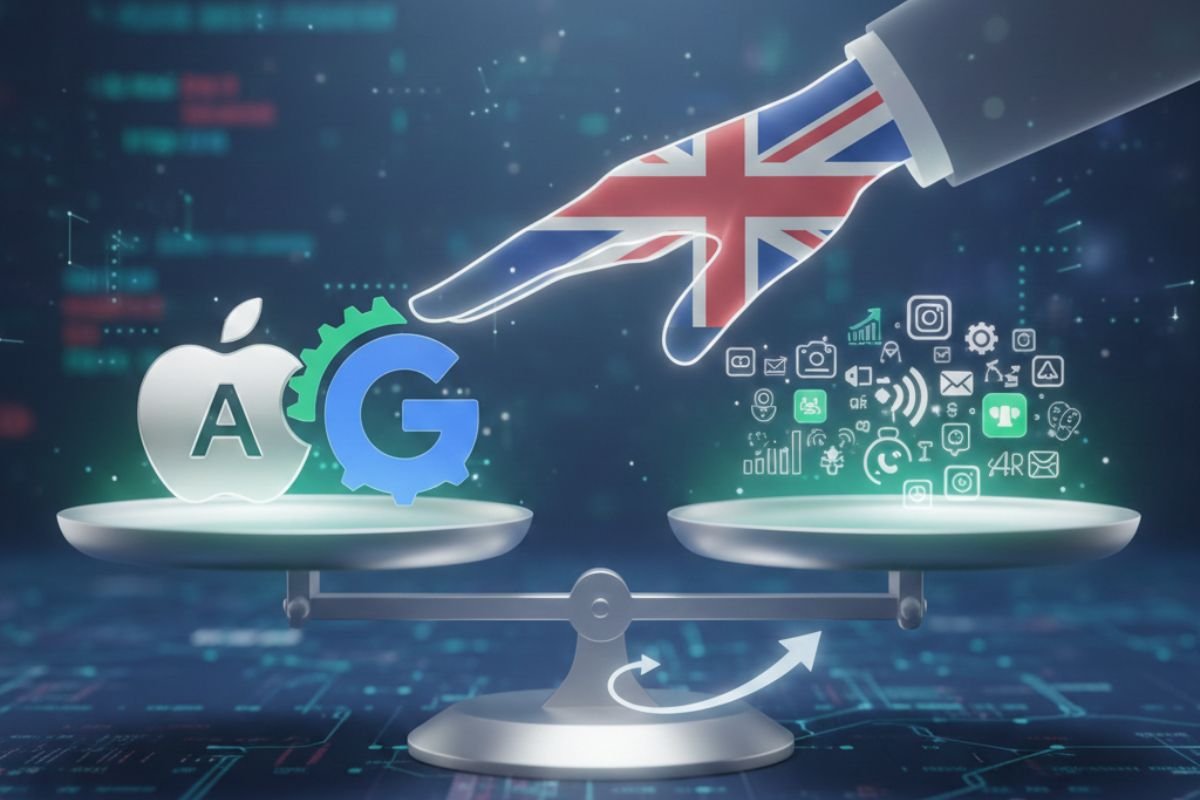
Apple and Google have agreed to change how their app stores operate in the UK, following pressure from the country’s competition regulator, which previously described the pair as holding an “effective duopoly” over the smartphone market.
The Competition and Markets Authority (CMA) said Tuesday it has secured a package of commitments from both companies to improve fairness, transparency, and certainty for thousands of developers who rely on Apple’s App Store and Google’s Play Store. The move marks the first major action since the CMA formally designated both firms as having “strategic market status” (SMS) in mobile platforms in October 2025.
Under the proposed commitments, Apple and Google have agreed to review apps in a “fair, objective and transparent” way and not to give preferential treatment to their own apps over rivals. The same principles will apply to how apps are ranked inside the stores.
The companies have also committed to safeguarding data collected from developers during the app review process and not using it unfairly.
For Apple specifically, there is an additional promise: developers will be able to more easily request interoperable access to features within iOS and iPadOS. This could allow competing services such as digital wallets or translation tools to integrate more deeply with Apple’s operating system.
A pragmatic first step, but fees remain unscathed
The regulator is hailing this as a swift win under the UK’s new digital markets rulebook.
“The ability to secure immediate commitments from Apple and Google reflects the unique flexibility of the UK digital markets competition regime and offers a practical route to swiftly address the concerns we’ve identified,” said CMA Chief Executive Sarah Cardell.
Notably, the commitments do not address one of developers’ most persistent grievances: the high commission fees of up to 30% that Apple and Google charge on in-app purchases. The CMA has previously called fees a “key concern” and stated that work on that front, along with other measures like boosting fintech innovation, is ongoing.
Monitoring and next steps
This isn’t a handshake deal. The CMA has secured the right to closely monitor compliance. Apple and Google will have to provide detailed metrics, including app approval/rejection rates, review times, and how they handle developer complaints and interoperability requests, data the CMA plans to make public.
According to Reuters, both companies struck a cooperative tone in response. Apple said it “appreciated the positive and ongoing dialogue” and that the commitments allow it to keep advancing “privacy and security innovations.” Google, while maintaining its existing practices are fair, said it “welcomed the opportunity to resolve the CMA’s concerns collaboratively.”
The public can comment on the proposals until March 3, 2026. If accepted, the new rules will take effect on April 1, 2026. The CMA has made it clear this is just the beginning, with more measures expected in the coming months to shape the UK’s £28 billion app economy, which supports an estimated 400,000 jobs.
In other Apple news: Apple is expanding iPhone driver’s licenses in Apple Wallet to seven more US states, letting residents store and use digital IDs on their iPhones and Apple Watches.


