









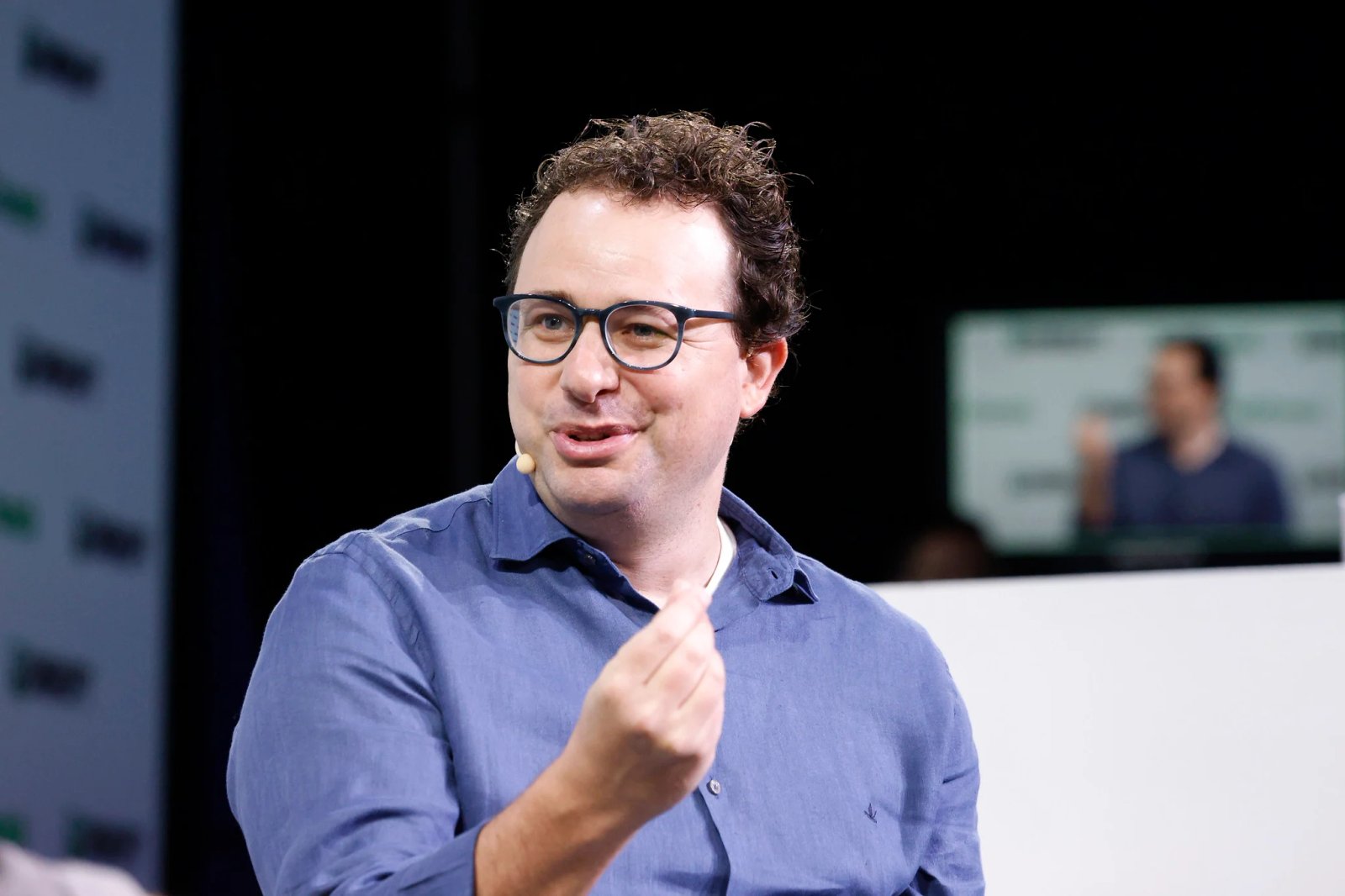
Anthropic CEO Dario Amodei is accusing OpenAI of misleading the public about its defense work, an unusually direct public clash between two of the AI industry’s most prominent leaders.
The dispute lands as military and intelligence partnerships become more visible in the generative AI boom and as companies try to balance national security work with public promises about safety and limits.
A memo, then a match
TechCrunch, citing The Information, reported that Amodei told employees OpenAI’s messaging around its military deal amounted to “straight up lies,” and he described the company’s posture as “safety theater.”
TechCrunch also reported that Anthropic’s talks with the Department of Defense broke down after the Pentagon sought “unrestricted access” to Anthropic’s technology. The company, which TechCrunch said already holds a $200 million military contract, wanted the Pentagon to affirm it would not use Anthropic AI for mass domestic surveillance or autonomous weaponry.
OpenAI ultimately reached an agreement instead, and the contrast is a central part of Amodei’s argument. In the memo, Amodei framed the gap as a question of where companies draw lines and how honestly they describe those lines when the customer is the US military.
The ‘lawful purposes’ line in the sand
One flashpoint is contract language that can be read broadly, even when companies say they have guardrails. OpenAI’s public description of its deal includes a clause allowing use for “all lawful purposes,” alongside a set of limits OpenAI calls red lines.
In its post on the agreement, OpenAI says those red lines include “no mass domestic surveillance,” “no directing autonomous weapons systems,” and “no high-stakes automated decisions.” OpenAI also says additional contract language makes domestic surveillance restrictions explicit, and that the deployment is cloud-only, with cleared OpenAI personnel involved.
OpenAI also argues that “lawful purposes” is paired with explicit constraints in the contract itself, and it emphasizes that the agreement references existing laws and policies as they exist today. In other words, the company is positioning its guardrails as contractual, not just a blog-level commitment.
The argument is not just whether AI vendors should work with defense customers. It is whether the public-facing description matches what the government can actually do under the contract, and whether terms like “lawful purposes” and “guardrails” mean the same thing to vendors, employees, and watchdogs.
For the broader market, the dispute highlights a practical question: when an AI vendor describes restrictions on use, are those limits enforced through contract terms, technical controls, or both? As defense buyers and enterprise customers ask for more detail, companies may face pressure to be more precise in how they describe what their models can and cannot be used for.
The standoff also arrives amid a wider reshuffling of defense AI partnerships, including the government’s posture toward Anthropic and competing vendors.
Also read: Elon Musk’s xAI signs deal to bring Grok into classified military systems.


