










HarperCollins is tapping into AI to bring some of its book franchises to life. Specifically, the publisher is teaming up with Toonstar, an AI animation studio, to turn them into digital shows. The first project will be an adaptation of Lisa Greenwald’s “Friendship List” series, which will also be joined by a graphic novel.
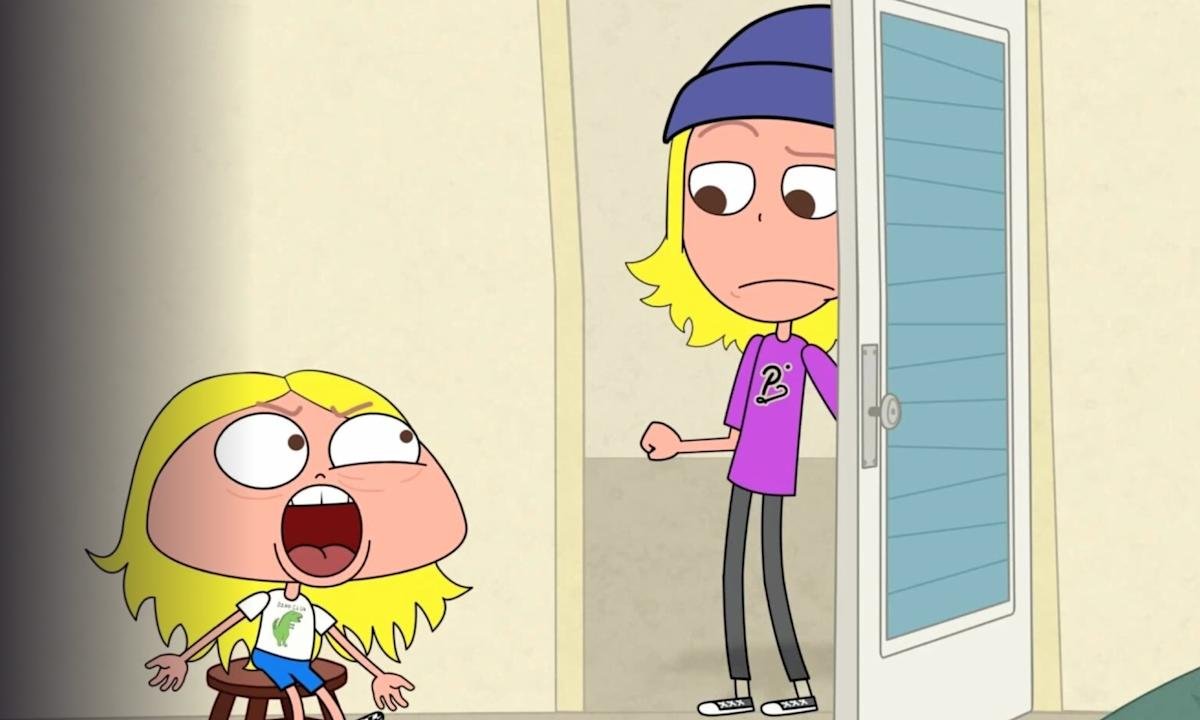
You’d be forgiven for being unaware of Toonstar, a studio that received some buzzy early on for simplifying typically complex animation pipelines with AI, but has mostly remained under the radar. Its biggest claim to fame is producing StEvEn and Parker YouTube series, which has amassed 3.38 million subscribers and sometimes has episodes reaching around a million views. It’s not something I’ve heard animation fans speaking about, though. And honestly, it was tough to sit through a few minutes of its sub-South Park animation.
“By leaning into the [AI] technology, we can make full episodes 80 percent faster and 90 percent cheaper than industry norms,” Toonstar co-founder John Attanasio, told The New York Times last year. In that same interview, the company revealed that it uses AI across its production, including having it dub dialog for international audiences, as well as working on storylines.
Toonstar initially pitched itself as an animation studio leaning into Web3 and NFTs, but those technologies seem virtually absent from the company’s presence today. Space Junk, one of its early series, was “put on hold for a variety of reasons,” a representative told Engadget. “It’s possible we’ll resurrect the concept in the future,” they added. Its original domain now points to a crypto gambling site.
“We’re honored to bring Friendship List to life as an animated series,” Attanasio said in a press release. “Our artist-centered approach ensures these beloved characters and stories stay true to the author’s vision, while our Ink & Pixel production technology enables fast, high-quality production at scale which unlocks the ability to meet audiences where and when they enjoy content today.”
Toonstar has certainly proved it can make “content” for YouTube. Can it actually produce an enjoyable animat edshow? That’s another question entirely.


