The difference between a host who enjoys their own dinner party and one who’s frazzled all night usually comes down to one thing: how much got done before guests arrived. Here’s a realistic approach that keeps you at the table, not stuck in the kitchen. You will find more ideas in nails. You will find more ideas in hair. Related reading: fashion & outfits.
Key takeaways
- At least two dishes should be fully make-ahead; save active cooking for one dish, max.
- Set the table and chill drinks the night before to shrink your day-of task list.
- Lighting, music, and a clean table do more for atmosphere than elaborate decor.
In this article
- Choose a Menu With a Built-In Advantage
- Work Backward From Guest Arrival
- Set the Table the Night Before
- Prep Your Kitchen for Speed, Not Just Cooking
- Have a Simple Drink Plan
- Build in a Buffer
- A Sample Stress-Free Menu
- Frequently Asked Questions
- The Night-Of Mindset Shift
- Adjusting for Different Group Sizes
- Setting a Tone Without Overdoing It
- Recovering Gracefully From a Kitchen Mishap
- Making Cleanup Painless
- Hosting More Often, More Easily
- Wine and Drink Pairing Made Simple
- The Guest Experience Beyond Food
- Enjoying Your Own Party
- Building Your Own Go-To Menu Over Time
Choose a Menu With a Built-In Advantage
Pick at least two dishes that can be made entirely ahead of time and reheated or served cold — braises, casseroles, salads, and most desserts all fit this category. Save active, last-minute cooking for one dish at most, ideally something simple like a quick-seared protein or a dish that just needs reheating. See also: weddings. You will find more ideas in beauty & makeup. For an easy main that cooks in a single pot, try these one-pot pasta dinners.
Work Backward From Guest Arrival
Build a simple timeline a day or two before: what gets cooked the day before, what gets prepped that morning, and what happens in the final hour. Having this written down (even just a few bullet points) removes the mental load of trying to sequence everything on the fly. You will find more ideas in relationships & dating.
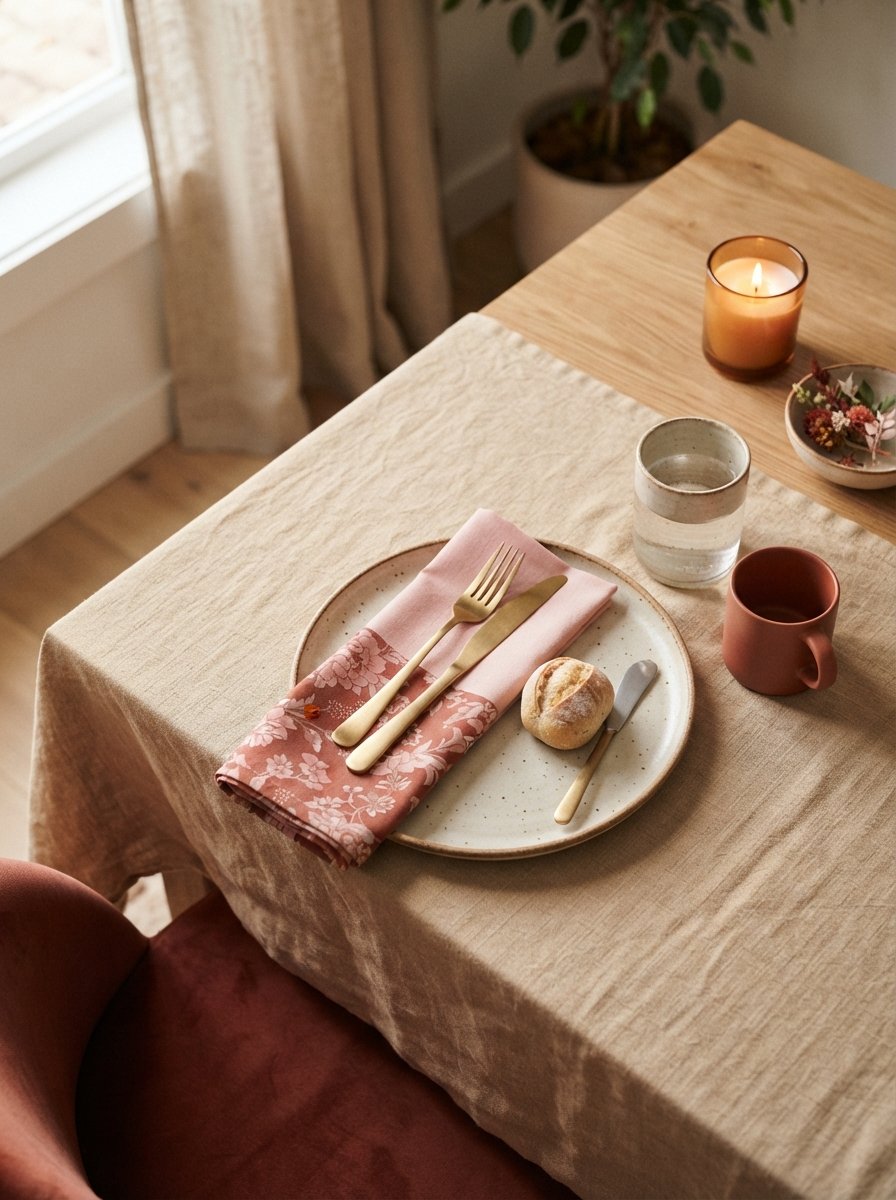
Set the Table the Night Before
Table setting, centerpiece, and even chilling wine can all happen a full day ahead. It’s a small task that takes almost no mental energy but removes an entire to-do category from party day.
Prep Your Kitchen for Speed, Not Just Cooking
Clear counter space before you start cooking, and do a rough clean-as-you-go rather than letting dishes stack up. A kitchen that’s under control by the time guests arrive means you’re not disappearing to deal with it mid-party.
Have a Simple Drink Plan
A single signature cocktail or a well-chosen wine and a non-alcoholic option covers most gatherings without turning you into a full-time bartender. Set it up as a self-serve station so guests can refill without you. For more on this, see our wellness & self-care guide.
Build in a Buffer
Plan for dinner to start 20–30 minutes after your stated time. Guests rarely arrive exactly on schedule, and that buffer gives you breathing room instead of rushing the final steps while the doorbell rings.
A Sample Stress-Free Menu
- Starter: A room-temperature salad or crudo, fully assembled ahead
- Main: A braise or roast that mostly cooks itself, plus a quick-sear side protein if needed
- Side: Roasted vegetables prepped and ready to go in the oven
- Dessert: Something made a day ahead, like a tart or a no-bake option
Looking for a theme to build the evening around instead of a standard dinner? Browse our birthday party themes for ideas that adapt easily to a seated dinner format.
Frequently Asked Questions
How many dishes should I actually plan for a dinner party?
For most gatherings, one starter, one main, one or two sides, and one dessert is plenty — more dishes than that increases stress without meaningfully improving the experience for guests.
What do I do about guests with dietary restrictions?
Ask ahead of time rather than guessing, and build at least one dish everyone can eat (a vegetable side, a simple salad) rather than making an entirely separate meal for one guest.
Should I accept offers of help from guests?
Yes, within reason — assigning a simple task like bringing a specific side or a bottle of wine takes pressure off you without turning your dinner party into a full potluck (unless that’s the vibe you’re going for).
The Night-Of Mindset Shift
Once guests arrive, give yourself permission to let small things go — a slightly late course, a dish that didn’t turn out exactly as planned, a less-than-perfect table setting. The parties people remember fondly are rarely the flawless ones; they’re the ones where the host actually seemed to be enjoying themselves.
Adjusting for Different Group Sizes
A dinner party for four gives you room for a more elaborate menu since the workload per dish is smaller. Past eight or ten guests, simplify further than you think you need to — family-style serving dishes, a smaller number of larger-batch recipes, and a self-serve drink station all scale much better than trying to plate individual courses for a big group.
Setting a Tone Without Overdoing It
Lighting, music, and a clean table go further toward setting a good atmosphere than elaborate decor. Dim the overhead lights, add a few candles, and put together a simple playlist in advance — these small touches consistently make more of a difference to how a dinner party feels than any amount of decorative effort.
Recovering Gracefully From a Kitchen Mishap
Even with careful planning, something occasionally goes wrong — a dish takes longer than expected, or doesn’t turn out quite right. Having one simple backup (a good cheese board, extra bread, a quick salad) ready to fill a gap takes the pressure off any single dish being perfect, and most guests won’t notice a substitution nearly as much as you will.
Making Cleanup Painless
Load the dishwasher as you go during prep, and resist the urge to do a full deep clean the night of the party — a quick surface tidy is enough, with the rest waiting until morning when you’re not exhausted from hosting. Guests remember a relaxed host far more than a spotless kitchen.
Hosting More Often, More Easily
Once you’ve hosted a stress-free dinner using this approach, it gets easier every time after — you’ll have a couple of go-to make-ahead recipes, a sense of your own timeline, and the confidence that a good dinner party doesn’t require heroics, just decent planning.
Wine and Drink Pairing Made Simple
You don’t need formal sommelier knowledge to pick a solid pairing — a general rule of lighter wine with lighter dishes and fuller-bodied wine with richer, heavier dishes covers most situations well. When in doubt, a versatile mid-weight red or a dry white both pair reasonably with a wide range of menus.
The Guest Experience Beyond Food
A great dinner party is remembered as much for conversation and atmosphere as for the meal itself. Seating arrangements that mix people who don’t know each other well, a couple of easy conversation starters ready in your back pocket, and simply being present rather than stuck in the kitchen all matter just as much as what’s on the table.
Enjoying Your Own Party
All of this planning exists for one real reason: so you can actually sit down, eat, and enjoy the evening alongside your guests instead of running the whole night from the kitchen. If you find yourself missing the conversation because you’re stuck prepping, that’s the clearest sign to simplify the menu further next time.
Building Your Own Go-To Menu Over Time
After hosting a few times, keep notes on what worked well and what guests responded to — over time this becomes your personal go-to dinner party menu, one you can execute almost on autopilot because you already know the timeline, the quantities, and exactly how it’ll turn out.
Shop this story
A few things that make hosting easier:
- Dinnerware Set for Entertaining — A hosting essential for stress-free dinner parties.
- Cloth Napkin Set — Elevates the table without much extra effort.
- Wine Decanter Set — A simple way to make the table feel special.
- LED Taper Candles — Effortless ambiance for evening dinner parties.
As an Amazon Associate, Trendici earns from qualifying purchases.
For something less formal than a dinner, these birthday party themes work for adults without feeling childish.