Wanting a relationship and being ready for one aren’t always the same thing — and confusing the two is one of the most common reasons relationships struggle early on. Here’s how to honestly check in with yourself before diving back in. If you want to go further, nails covers it in detail. If you want to go further, hair covers it in detail. For more on this, see our fashion & outfits guide.
Key takeaways
- Wanting a relationship and being ready for one aren’t always the same thing — check which is driving the urge.
- Being able to spend an evening alone and feel genuinely fine is one of the clearest signs of readiness.
- Readiness isn’t a switch — it’s fine to date casually while still figuring the rest out.
In this article
- You’re Not Using Dating to Escape Being Alone
- You’ve Processed Your Last Relationship (If There Was One)
- You Have Room in Your Life, Not Just Time
- You Know What You Want (Roughly)
- You Can Be Alone and Still Be Okay
- If You’re Not Sure Yet, That’s Okay Too
- Frequently Asked Questions
- Talking About This With a New Partner
- Readiness Looks Different for Everyone
- Small Steps That Build Readiness
- The Role of Friends and Family in Readiness
- Readiness Isn’t Permanent
- Therapy and Self-Reflection Tools
- Readiness After a Long Time Single
- A Gentle Reminder
- Trusting the Process
- Watching for Rebound Patterns
- What Healthy Readiness Feels Like
You’re Not Using Dating to Escape Being Alone
There’s a difference between wanting companionship and needing a relationship to avoid sitting with yourself. If the idea of being single for another six months feels unbearable rather than just less exciting than being partnered, that’s worth exploring before you start dating seriously again. See also: weddings. See also: beauty & makeup.
You’ve Processed Your Last Relationship (If There Was One)
You don’t need to be fully “over it” in some perfect sense, but you should be able to talk about your last relationship without it turning into either a monologue of resentment or an idealized highlight reel. If you notice yourself comparing every new person to your ex within the first conversation, that’s a sign there’s more processing to do. Related reading: celebrations & parties.
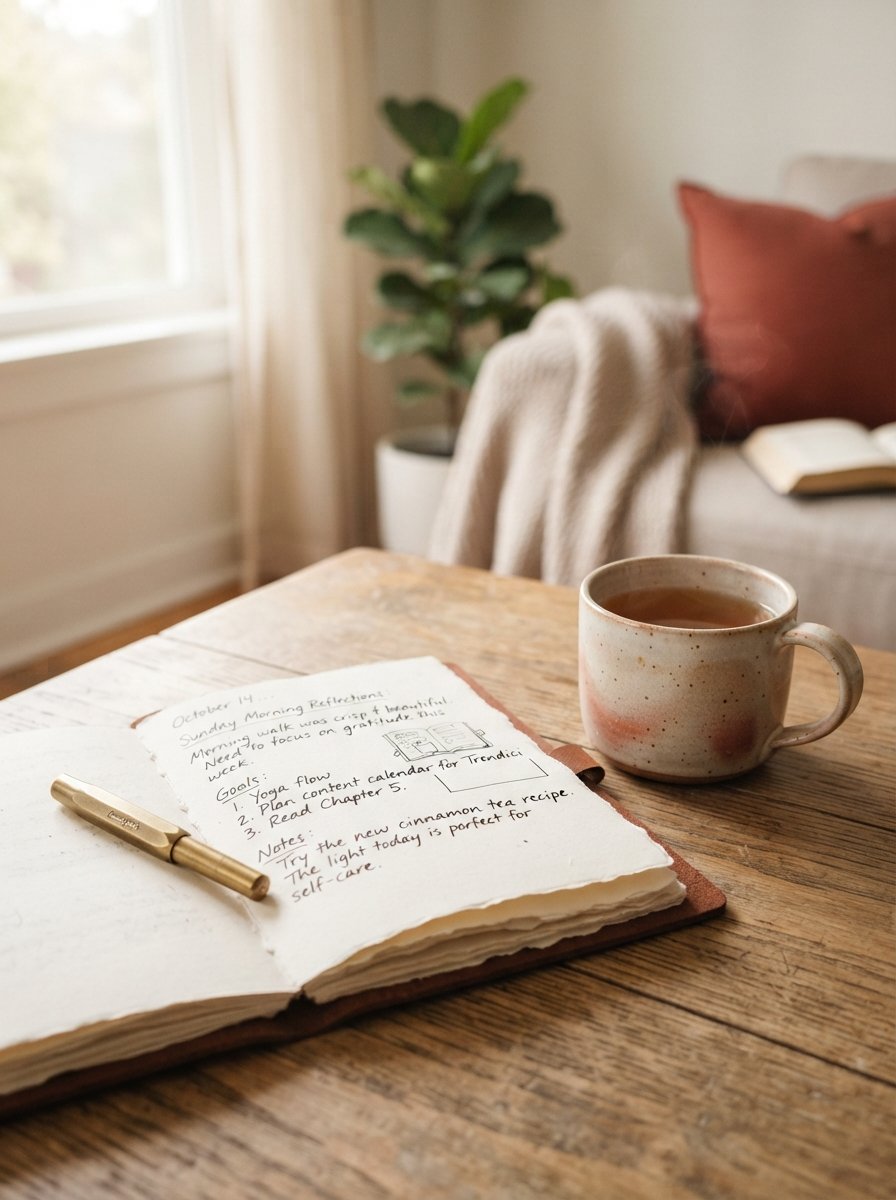
You Have Room in Your Life, Not Just Time
Having free evenings isn’t the same as having emotional bandwidth. If you’re in the middle of a major life transition — a stressful job change, grief, a big move — it’s worth asking whether you have the capacity to genuinely show up for someone else right now, or whether you’re looking for a distraction from what’s actually going on.
You Know What You Want (Roughly)
You don’t need a detailed checklist, but you should have some sense of what you’re looking for and what you’re not willing to compromise on. Going into dating with zero self-awareness about your own patterns tends to just repeat whatever didn’t work last time.
You Can Be Alone and Still Be Okay
This is the clearest sign of all. If you can spend a Friday night alone and feel genuinely fine — not just distracting yourself until someone texts back — you’re dating from a place of wanting a partner, not needing one to feel complete. That distinction changes how you show up in every interaction.
If You’re Not Sure Yet, That’s Okay Too
Readiness isn’t a switch that flips overnight, and there’s no rule that says you need to be 100% ready before you go on a date. Casual, low-pressure dates (see our list of first date ideas that beat dinner and a movie) can actually be a good way to test the waters without committing to more than you’re ready for.
Frequently Asked Questions
Is there a “right” amount of time to wait after a breakup?
There’s no universal timeline — readiness depends far more on how you’ve processed the relationship than on a specific number of months. Some people are genuinely ready in weeks; others need much longer, and both are normal.
What if I only ever feel ready when I meet someone specific?
That’s common, and it’s worth paying attention to whether the excitement is about the person or about not being alone anymore. Both can be true at once — the goal isn’t to eliminate excitement, just to notice which is driving the decision.
Can you become ready while already dating someone?
Yes — readiness isn’t always a prerequisite you finish before dating starts. Sometimes it develops through a relationship itself, especially with a patient partner and honest communication about where you’re at.
Talking About This With a New Partner
If you’re dating while still working through some of this, honesty tends to go further than pretending you have it all figured out. Most people appreciate a partner who can say “I’m working on some things, but I’m genuinely interested in getting to know you” over someone who performs total readiness they don’t actually feel.
Readiness Looks Different for Everyone
Someone coming out of a long relationship might need more time to rebuild a sense of independent identity, while someone who’s been single for years might need to work on opening up to vulnerability again. Neither path is more valid than the other — the signs above are meant as a general check-in, not a rigid checklist everyone needs to complete in order.
Small Steps That Build Readiness
If you’re not quite there yet, small, low-stakes steps often help more than waiting passively for readiness to arrive: spending more intentional time with friends, revisiting hobbies you set aside, or simply practicing being alone without immediately reaching for distraction. These build the same emotional muscles a healthy relationship eventually calls on.
The Role of Friends and Family in Readiness
People close to you often notice patterns before you do — a tendency to rush into things, or a pattern of choosing unavailable partners, for example. It’s worth genuinely listening to that outside perspective, even when it’s not what you want to hear, rather than dismissing it as them not understanding the situation.
Readiness Isn’t Permanent
Feeling ready doesn’t mean you’ll never doubt the decision again, and feeling unready doesn’t mean you’re incapable of a healthy relationship right now. These signs are a snapshot, not a permanent verdict — it’s normal to check back in with yourself periodically as circumstances and self-understanding shift. For more on this, see our wellness & self-care guide.
Therapy and Self-Reflection Tools
If patterns from past relationships keep repeating, working through them with a therapist can accelerate the kind of self-understanding this article is pointing toward. There’s no requirement to have everything figured out solo before dating again, and outside support is a legitimate part of getting ready, not a sign of failure.
Readiness After a Long Time Single
If it’s been years since your last relationship, some rustiness in dating is completely normal and doesn’t mean you’re not ready — it just means you’re out of practice with a specific skill set, which comes back with a bit of exposure and repetition, much like any other skill you haven’t used in a while.
A Gentle Reminder
None of this needs to be figured out perfectly before you put yourself out there. Most healthy relationships involve two people who are still growing individually, not two people who arrived fully finished. Give yourself the same grace you’d offer a friend asking these same questions.
Trusting the Process
Readiness tends to reveal itself gradually rather than arriving as a sudden, obvious certainty. Keep checking in honestly with yourself, stay open to what you’re learning about your own patterns, and trust that the timeline that’s right for you doesn’t have to match anyone else’s.
Watching for Rebound Patterns
If every new person you meet starts to feel urgently important almost immediately after a breakup, that intensity is often more about filling a void than genuine compatibility. It doesn’t mean the connection isn’t real, but it’s worth slowing down enough to tell the difference before making big decisions.
What Healthy Readiness Feels Like
At its core, healthy readiness feels more like curiosity and openness than urgency or desperation. If dating feels like an interesting possibility rather than an emotional necessity, that shift alone tends to change the kinds of connections you attract and choose.