


Chalk up a win for creative artists against AI companies. On Wednesday, the UK government abandoned its previous position on copyrighted works. It’s currently working on a data bill that, if unaltered, would have allowed AI companies like Google and OpenAI to train models on copyrighted materials without consent. Artists and other copyright holders would only have been offered a mere opt-out clause.
After significant backlash, the UK backed off from that position. “We have listened,” Technology Secretary Liz Kendall said on Wednesday. However, the government’s new stance is, well, not a stance at all. It currently “no longer has a preferred option” about how to handle the issue.
Still, backpedaling from its previous position is viewed as a win for artists. UK Music CEO Tom Kiehl described the decision as “a major victory,” while promising to work with the government on the next steps.
Elton John and Dua Lipa spoke out against the government’s previous stance. (Photo by Kevin Mazur/Getty Images for Elton John AIDS Foundation) (Kevin Mazur via Getty Images)
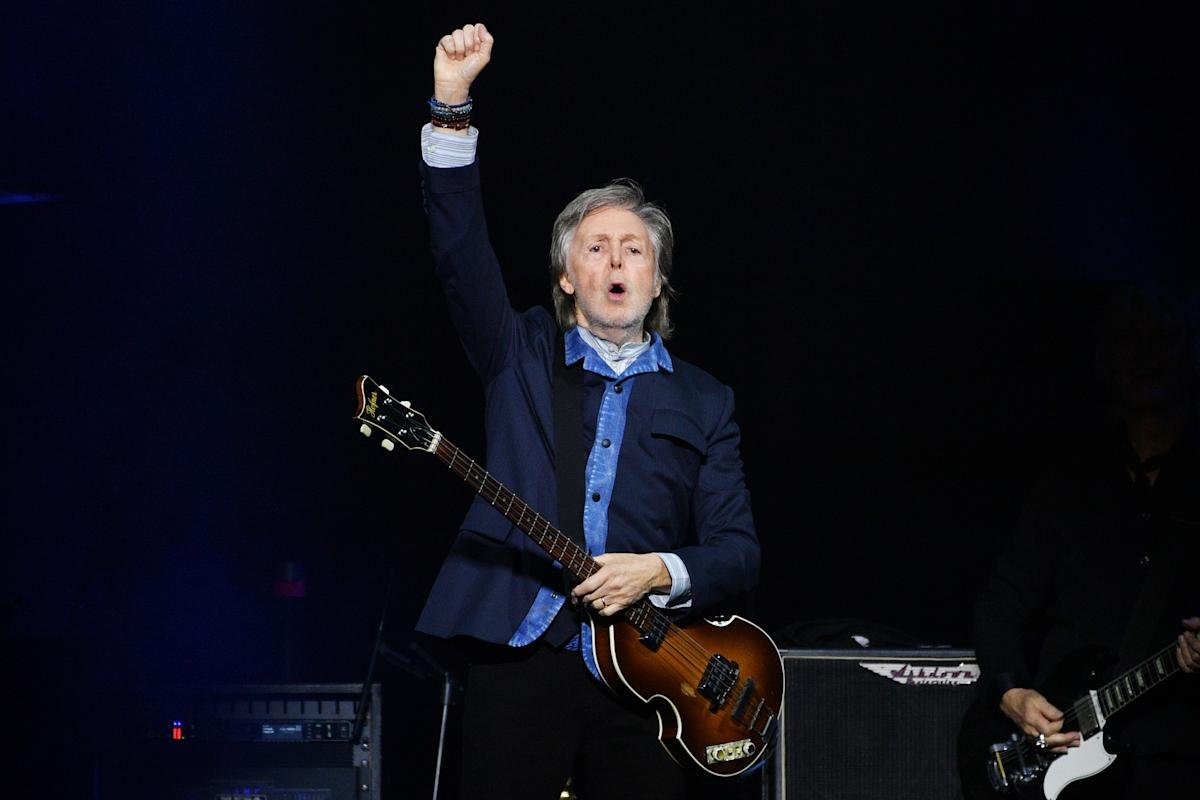
Last year, some of Britain’s highest-profile artists objected to the government’s position. Sir Elton John and Dua Lipa were among those speaking out. Even Sir Paul McCartney weighed in, warning that the AI industry could “rip off” artists and lead to a “loss of creativity.”
“You get young guys, girls, coming up, and they write a beautiful song, and they don’t own it, and they don’t have anything to do with it,” McCartney told the BBC in 2025. “And anyone who wants can just rip it off. The truth is, the money’s going somewhere… somebody’s getting paid.”
The government will now weigh its options, taking “the time needed” to balance the wishes of artists and the tech industry. “We will not introduce reforms to copyright law until we are confident that they will meet our objectives for the economy and UK citizens,” it wrote in a report. “This means protecting the UK’s position as a creative powerhouse, while unlocking the extraordinary potential of AI to grow the economy and improve lives.”
“Any reform must ensure that right holders can be fairly rewarded for the economic value their work creates, and that they are protected against unlawful and unfair use of their work. It must also ensure that AI developers can access high-quality content.”
