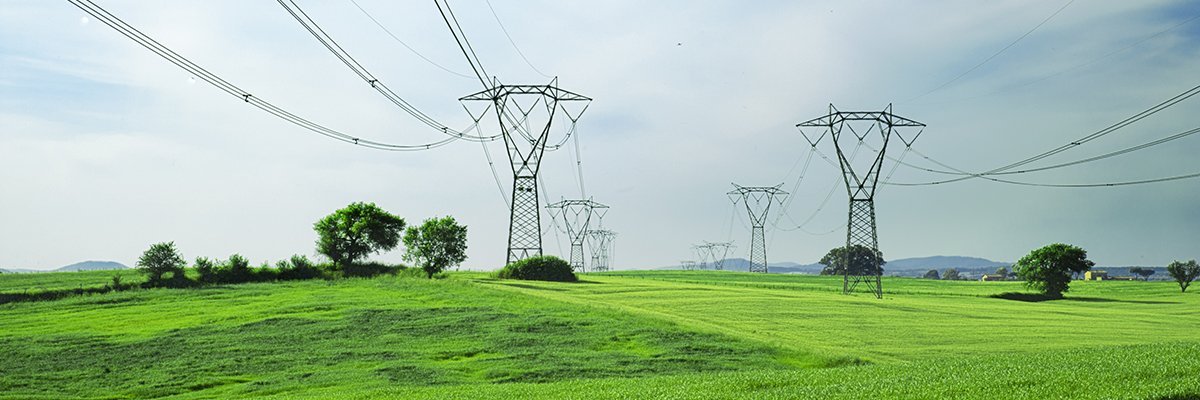
The Sans Institute, one of the world’s pre-eminent cyber security certification and training bodies, is to play a key role in the annual Nato Cooperative Cyber Defence Centre of Excellence (CCDCOE) Locked Shields exercise, held in Tallinn, Estonia, through the provision of a fully functional power generation system that participating teams will attempt to defend during the game.
This year marks the 16th running of the Locked Shields live fire security defence exercise, which unites blue teams from across Nato’s 32 member states, as well as other allies and observers.
This year, however, Sans has been entrusted with the task of building a genuine, operational cyber range, as opposed to creating a simulation. It is using real industrial control systems (ICSs) and physical equipment that 16 teams of defenders will have to protect while under live cyber attack, with the decisions they make having an immediate physical impact on a national-scale power grid.
Nato and Sans said the aim of the game is to close the gap between sandboxed, classroom-based cyber security training and real-world operational readiness, which, amid the cyber dimension to the energy crisis precipitated by the war in Iran and spillover from the ongoing war in Ukraine, has never been more important.
“We are putting teams in an environment where cyber decisions directly impact physical operations,” said Felix Schallock, who leads the initiative at the Sans Institute. “If you lose visibility, if you lose control, the power generation can be affected. That’s the reality operators face every day. That’s what we’re training for.”
Nato CCDCOE director Tõnis Saar added: “Locked Shields is a technically advanced exercise that challenges participants to defend the critical infrastructure systems modern societies depend on. As much of this critical infrastructure is owned and operated by the private sector, strong public-private collaboration is essential. Industry partners such as Sans Institute play a vital role in making the exercise as realistic and impactful as possible.”
Hybrid architecture
The Sans Institute’s cyber range comprises close to 70 physical ICS devices, with programmable logic controllers (PLCs), human-machine interfaces (HMIs), operator and engineering workstations, 100 virtual machines (VMs) and interconnected systems within the wider CCDCOE environment, all supported by live network infrastructure, the whole forming a hybrid information and operational technology (IT/OT) architecture.
During the exercise, blue teamers will be set the task of defending the “energy provider” while coming under sustained attack from opposing red teams.
The goal is to effectively demonstrate how maintaining a reliable generation system isn’t some metric on a scorecard, but rather the core mission, so success will entail more than just spotting and arresting threats – it will also demand operational discipline, maintaining uninterrupted power generation, preserving comms between IT and OT networks, guaranteeing visibility and control of ICS technology, and avoiding any destabilising disruptions.
The people defending our critical infrastructure deserve training that takes the threat as seriously as they do James Lyne, Sans Institute
Actions will be visible, rippling through the systems in real time, so participants won’t just see alerts, they will see turbines being throttled, breakers being opened or closed, and generation capacity being affected. As such, failure will be immediate and visible – missteps will degrade system performance, disrupt or halt power generation, or simulate national-level consequences.
Tim Conway, Sans Institute fellow and ICS curriculum lead, explained: “We’re showing teams how to defend infrastructure that can’t simply be rebooted or patched on the fly. You have to think like an operator, not just a defender. That mindset shift is what makes this environment so powerful.”
Sans Institute CEO James Lyne expressed great pride in what the Sans team has built for Locked Shields this year. “The scenarios these critical initiatives prepare for are playing out in the world – national espionage, cyber integrated to kinetic attacks and warfare, and retaliation attacks,” he said.
“Throw in AI or machine speed attackers and the need for defenders to adapt, and you have the most disruptive period in cyber security in 20 years. We are privileged to help our allies be ready and continuously improving to secure the future. The people defending our critical infrastructure deserve training that takes the threat as seriously as they do,” he added.
Schallock said the exercise was about preparing teams for protecting the systems that matter most. “Cyber security training must reflect the environment defenders are protecting. We’re not just teaching cyber security, we’re showing how to defend a nation’s infrastructure when it counts.”