










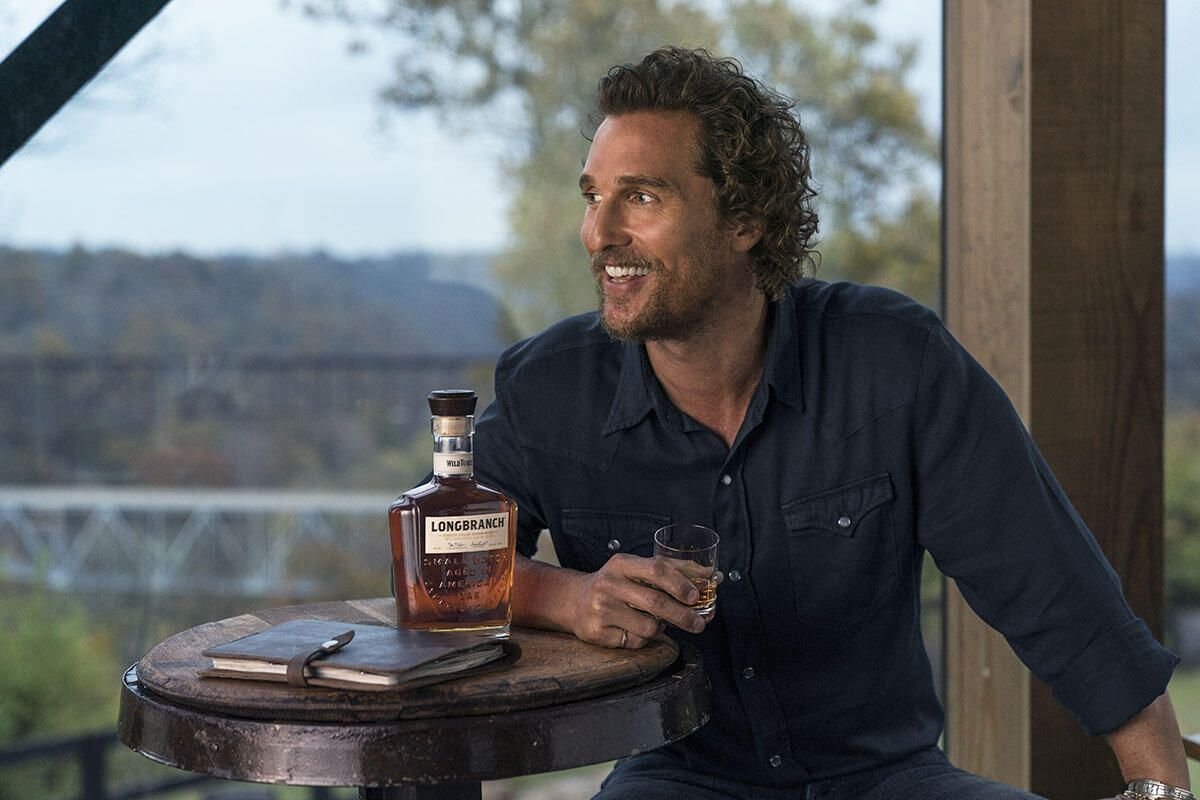
The “Dallas Buyers Club” star didn’t mince words: young actors can’t afford to ignore AI or wait for the business to sort it out. They need to take steps now to protect their likeness, voice, and personal brand, or risk watching others profit from digital versions of them without permission.
According to Business Insider, McConaughey delivered the warning at a CNN and Variety Town Hall at the University of Texas at Austin, where he urged actors to protect their “voice, likeness, etc.” and summed it up in two words: Trademark it.
The trademark strategy that flips everything upside down
McConaughey’s advice centers on something most actors never consider until it’s too late: trademark protection. Rather than waiting to react after AI imitates your identity, set legal guardrails before the copy goes mainstream.
Consider what’s at stake. Today’s AI tools can clone voices, generate realistic video, and spin up synthetic personas that blur the line between performance and replication. Without protections established early, performers could discover digital doubles showing up in projects they never approved, diluting a name they spent years building.
The point isn’t that trademarks solve everything. It’s that legal leverage matters more when imitation is cheap. The same tension is showing up globally as policymakers argue over whether AI companies should be able to train on creative work by default. In the UK, that debate has surfaced repeatedly, including a proposal that would have allowed training on creators’ online content unless rights holders opted out, a move that drew pushback from major AI players in the UK AI copyright proposal dispute.
What this means for Hollywood’s next generation
McConaughey’s warning connects to anxieties that erupted during Hollywood’s 2023 strikes, when performers and writers pushed for protections around AI use and compensation. But his emphasis on inevitability matters more than his specific tactic. He’s not arguing for a boycott of AI. He’s arguing that the default needs to shift from “copy first” to “permission first.”
That shift is bigger than Hollywood. It’s also playing out in regulation and enforcement, where governments are still wrestling with how much transparency AI developers owe rights holders and the public. The UK’s Data (Use and Access) Bill moved forward in 2025 without a controversial AI copyright transparency clause after months of debate, a snapshot of how unsettled the rules still are in the UK data bill fight over AI copyright.
For actors launching careers now, the implication is blunt: your digital self may become simultaneously more valuable and more vulnerable than your physical presence on any set. If you don’t define how your identity can be used, someone else will try to.
And the downside isn’t limited to entertainment. Deepfakes are increasingly a money engine for criminals, with AI-powered scams contributing to massive losses in 2025 and relying on the same “looks real enough” trick that threatens performers’ control of their image.
McConaughey’s calculation boils down to this: protect yourself now, or spend your career fighting battles you could have prevented.
Recent testing also raised flags about model safety and reliability in a NIST-backed study on DeepSeek’s security gaps.


