


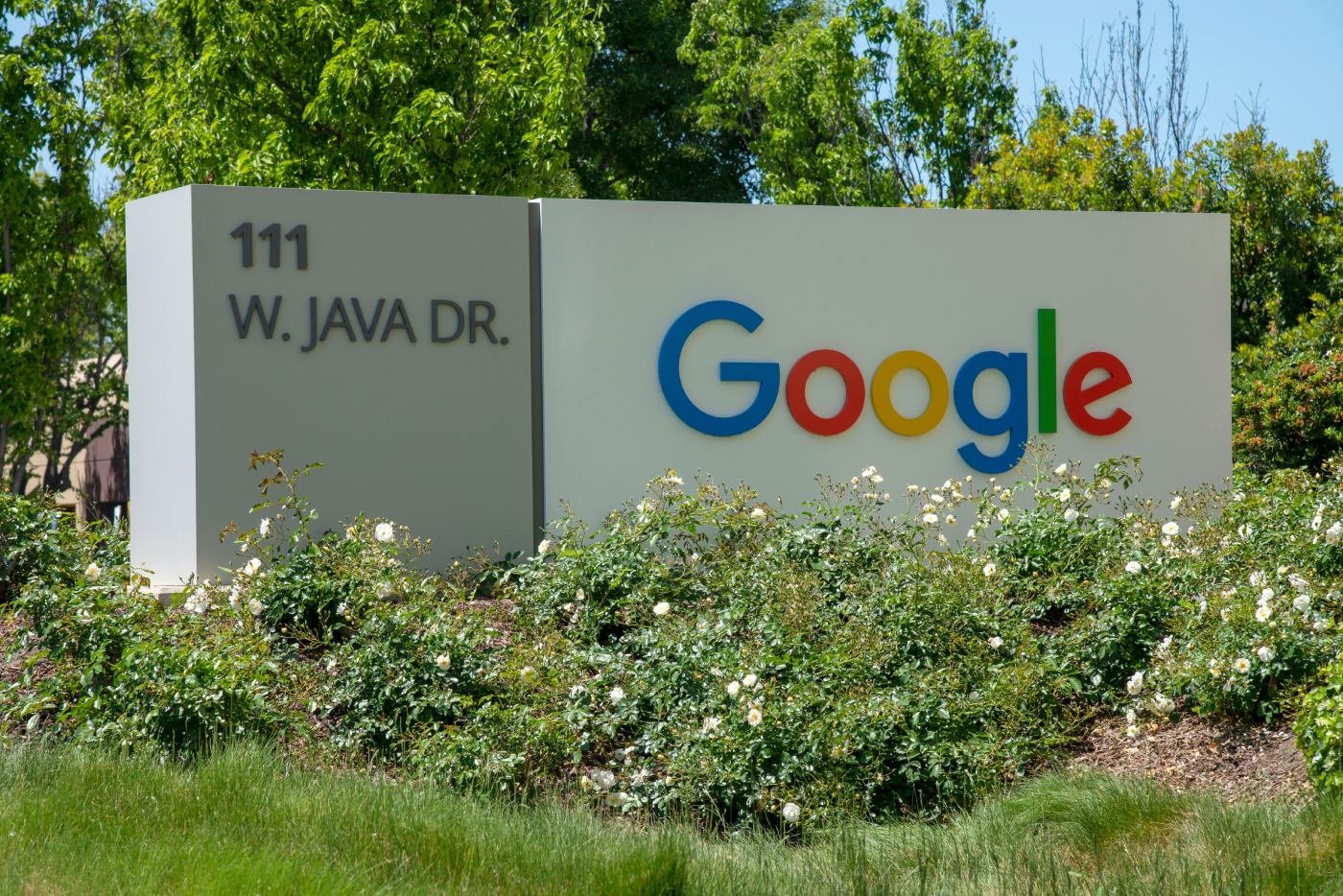
Google sidestepped the toughest penalties in a landmark antitrust clash, retaining control of Chrome and Android.
In a court ruling, Judge Amit P. Mehta barred the search giant from exclusive search deals, ordered limited data sharing with rivals, and restricted its app store tie-ins. The decision comes after the Justice Department’s landmark monopoly case against Google.
Why the court handed Google reprieve
Judge Mehta rejected the Justice Department’s call for drastic remedies, declining to force a divestiture or unwind Google’s multibillion-dollar default search arrangement with Apple’s Safari browser.
He pointed instead to the rise of generative AI, arguing that new technologies are already reshaping competition and cautioning against imposing remedies that could “jolt the system.”
The court also set a six-year requirement for Google to open parts of its search index to rivals, while leaving its closely guarded advertising data untouched.
Search giant insists remedies risk harming users, not rivals
Google pushed back against the court’s requirements, saying the new limits could do more harm than good. In a statement, Lee-Anne Mulholland, the company’s vice president for regulatory affairs, warned that mandatory data-sharing “will impact our users and their privacy,” and confirmed the decision is under review.
The company argued the outcome validated its long-standing position that people already have ample choice in how they search. It pointed to the rise of AI services as proof that competition is thriving, and noted that forcing a breakup of Chrome or Android “would have harmed consumers and our partners”.
Google said it will continue focusing on “building innovative products that people choose and love,” while navigating the restrictions laid down by the court.
Outcome strengthens Google-Apple alliance, leaves rivals unsatisfied
With Google retaining its default spot on Safari, The Wall Street Journal reported that analysts view the ruling as bolstering the alliance and paving the way for deeper cooperation on artificial intelligence across Apple devices.
According to The New York Times, DuckDuckGo chief executive Gabriel Weinberg dismissed the requirement for Google to share portions of its search index as “a nothingburger,” saying it would not meaningfully boost rivals’ ability to compete.
The split reaction rippled into markets, where Alphabet shares rose more than 8% in after-hours trading and Apple climbed about 3%.
The antitrust war isn’t over
Google’s case is only part of a broader federal crackdown on Big Tech. Regulators have also gone after Apple, Meta, and Amazon, accusing them of using their dominance to shut out smaller rivals
Search itself is in flux. Generative AI products from OpenAI and Anthropic are beginning to erode Google’s dominance, offering new ways for people to look up information.
The fight is far from over. Google is expected to appeal, and the battle could ultimately reach the Supreme Court.
In Britain, Apple says proposed competition rules mirror EU-style regulation and could jeopardize the safety of its products.
