


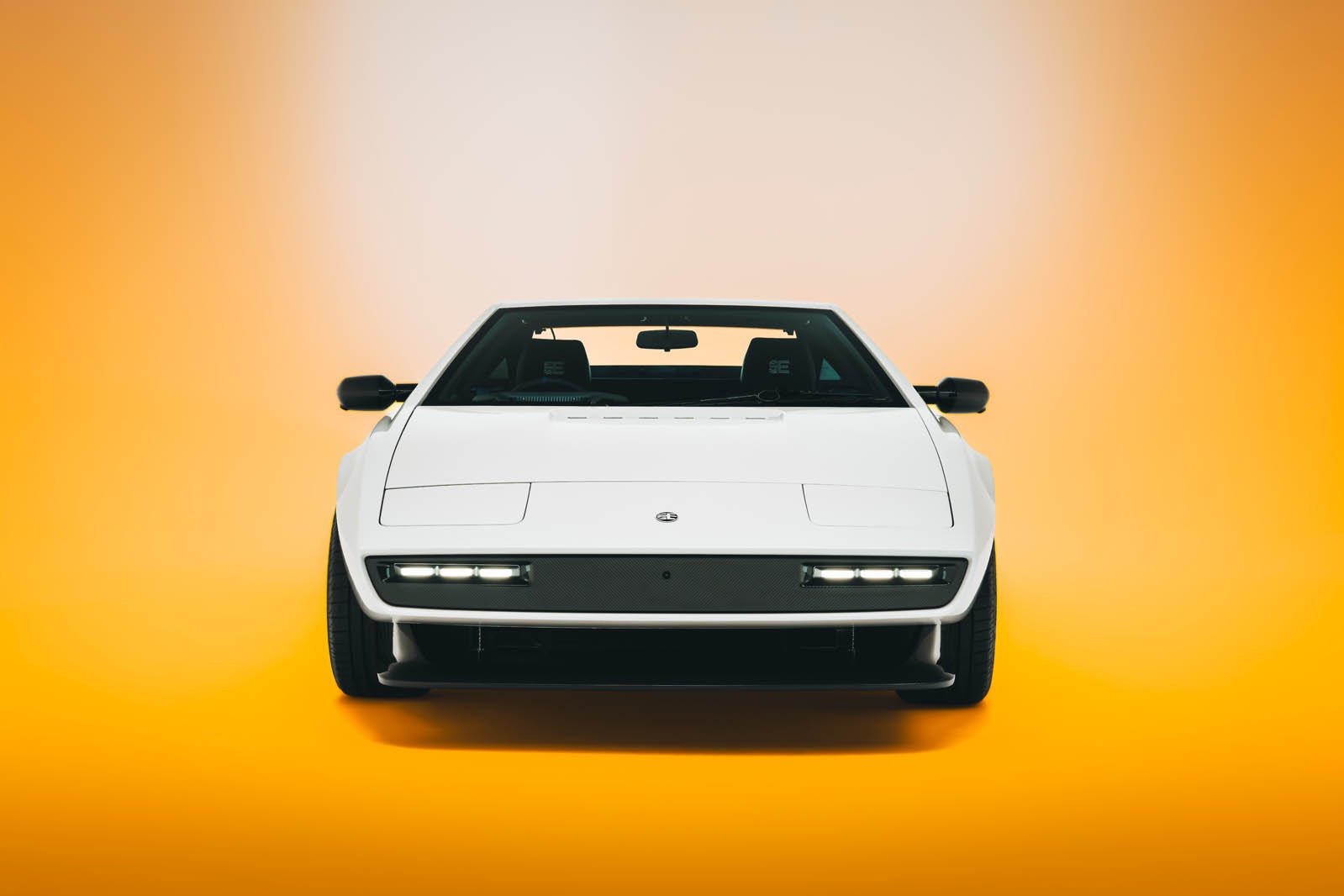
Suspension
Alongside the rebuilt V8, the suspension system, anti-roll bars and electronics are completely new, essentially making the Series 1 a modern car underneath.
One of the most significant technical changes is the switch from a fly-off handbrake to an electronic one. This enabled Encor to improve the car’s packaging, which includes a more reinforced bulkhead, a lower weight, thanks to the loss of mechanical parts, and larger rear brakes.
“We keep everything that’s good,” said Ives. “[The originals] are frankly fantastic cars. They were always seen as possessing one of the best power steering [systems] of any car ever, even today. So we keep all of that and then can kind of build on that.
“Now, we’re slightly lighter and slightly more powerful. That’s the benefit of another 20 years of engineering and development [since the Series 4 was retired].”
On the set-up, he added: “There’s no point turning it into a sort of stiffly sprung modern car that drives like a McLaren or something. It just wouldn’t make sense. We want to preserve that compliance, but, you know, it’s that analogue driving experience.”
Design
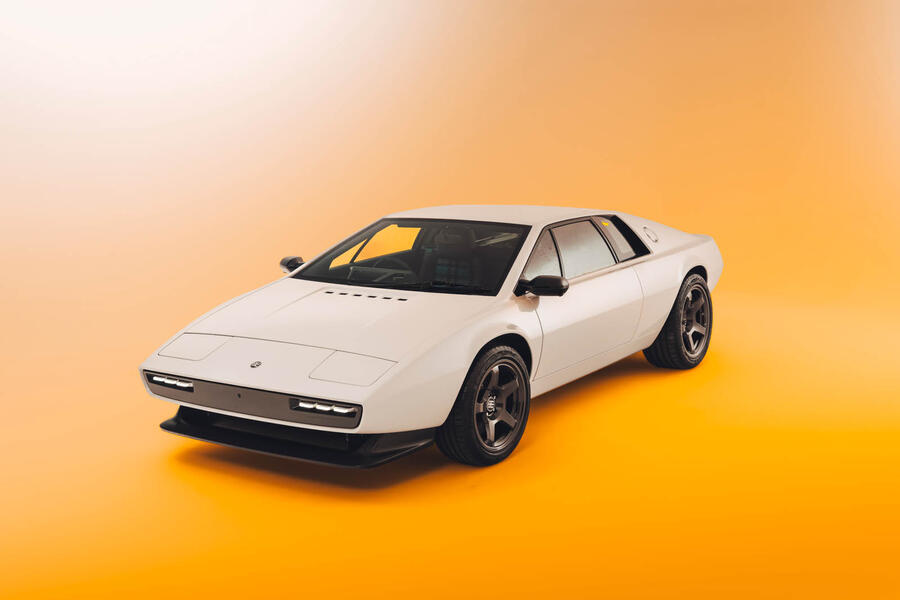
While Encor’s sports car looks almost identical to the original Series 1 (indeed, it shares the same dimensions), it has an entirely new body. The Series 4 donor car’s glassfibre tub is removed and in its place a bespoke carbonfibre body is fitted that has been created to the exact specification of the Series 1.
Ives said the reason for the complete new bodyshell is to ensure the strongest chassis possible while also saving weight. “We decided to tackle the entire structure,” he said. “So we take the entire body shell off the car and put it aside, find homes for those later, and we’ve created a complete new body shell that’s then bolted to that backbone chassis.
“Our shell is about half the weight of the original and of course incredibly stiff.” The look is also a “refined” version of the original but houses some modern touches and bespoke elements.
