










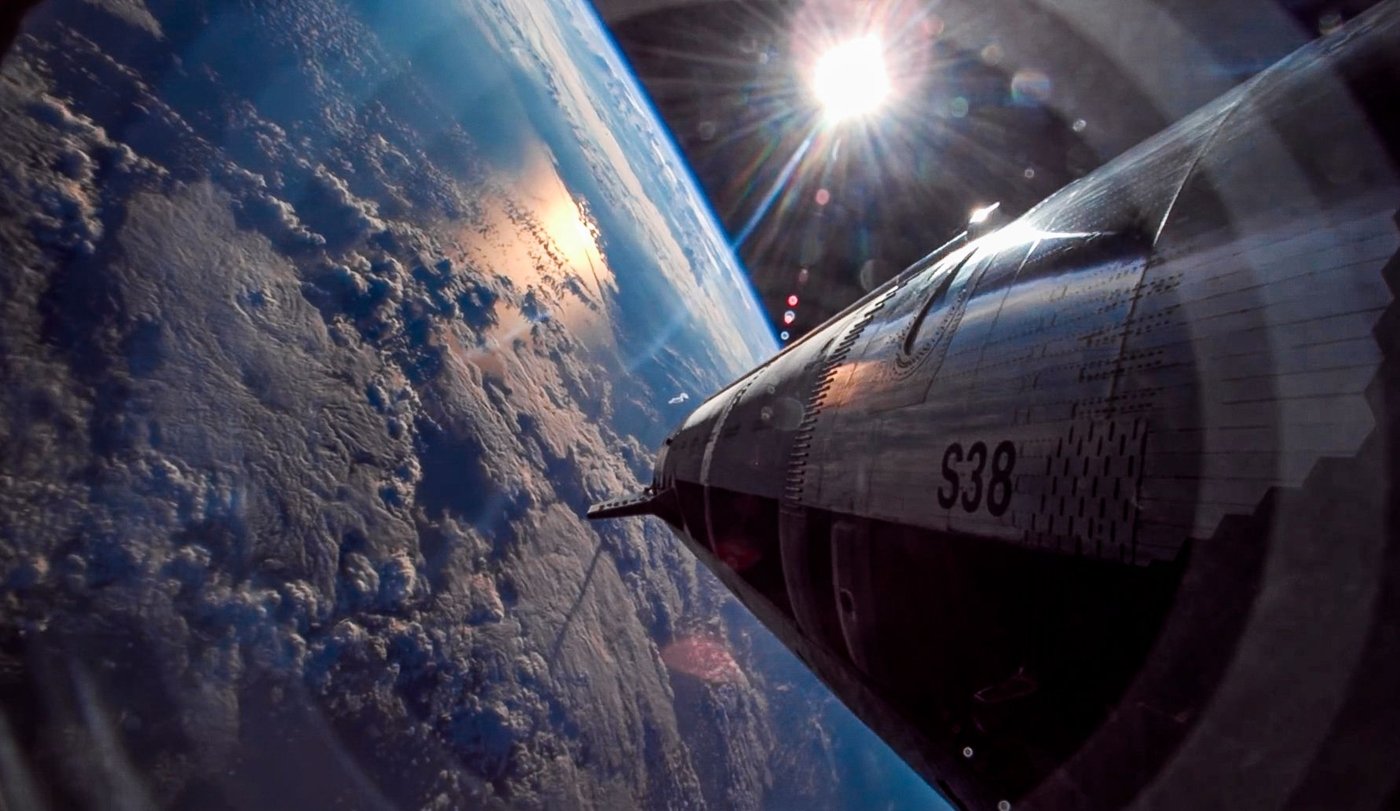
The countdown is complete and SpaceX has finally acquired xAI in a deal valued at around $1.25 trillion.
Following on from the chatter on Jan. 30, SpaceX confirmed in an announcement it has acquired xAI in a move that is pitched as the creation of a vertically integrated innovation engine spanning AI, launch systems, satellite communications, and space-based infrastructure.
The combined vision is sweeping: relocate the most resource-intensive parts of AI development off Earth and into orbit, eventually extending humanity’s technological footprint throughout the solar system and beyond.
Supporters of the deal frame it not as an incremental corporate acquisition, but as the beginning of what they call “the next book” in SpaceX and xAI’s shared mission. The stated goal is nothing less than to build the infrastructure required to scale intelligence itself, while avoiding the growing constraints faced by terrestrial data centers.
Terrestrial limits of AI growth
Modern AI systems depend on enormous data centers that consume vast amounts of electricity and require complex cooling systems. As AI models grow larger and more capable, energy demand is rising rapidly, straining local power grids and raising concerns about environmental impact and competition with residential and industrial electricity needs.
According to this vision, global electricity demand for AI cannot be met sustainably using Earth-based infrastructure alone, at least not without imposing “hardship on communities and the environment.” In that framing, terrestrial solutions are seen as a temporary bridge rather than a long-term answer.
Space, by contrast, offers near-constant access to solar energy, minimal cooling requirements, and virtually unlimited room to expand. As the argument goes, “space is called ‘space’ for a reason,” making it an obvious candidate for hosting the next generation of compute infrastructure.
Orbital data centers
The core proposal emerging from the SpaceX–xAI combination is the concept of orbital data centers: large constellations of satellites designed primarily to generate AI compute rather than provide communications alone. These satellites would directly harness solar energy in orbit, converting it into computational output with little ongoing operational or maintenance cost.
Proponents point to the scale of available energy as the key differentiator. Harnessing even a tiny fraction of the Sun’s output, “even a millionth,” would dwarf humanity’s current energy consumption. From this perspective, space-based AI is not merely an optimization but the only viable way to scale intelligence to the levels envisioned.
Launch bottleneck
Historically, the biggest obstacle to such ambitions has been launch capacity. Even in 2025, described as the most prolific year in history for orbital launches, SpaceX says only about 3,000 tons of payload reached orbit. Much of that mass consisted of Starlink satellites launched on Falcon rockets.
The need to deploy tens of thousands of Starlink satellites acted as a forcing function for Falcon’s rapid reuse and high launch cadence. SpaceX now expects a similar dynamic for Starship, its fully reusable heavy-lift vehicle.
Starship is set to begin launching V3 Starlink satellites, each flight delivering more than 20 times the capacity of current Falcon launches. It will also deploy direct-to-mobile satellites designed to provide full cellular coverage worldwide. However, orbital data centers would push Starship far beyond even those demands.
A million tons a year in orbit
The long-term projections are intriguing. With launches every hour carrying roughly 200 tons each, Starship could theoretically deliver millions of tons to orbit annually. Under this model, launching one million tons of satellites per year, each generating 100 kilowatts of compute power per ton, would add around 100 gigawatts of AI compute capacity annually.
Advocates argue this could scale further, with a path toward launching one terawatt of AI compute per year from Earth. Within two to three years, they estimate, space-based compute could become the lowest-cost option available, fundamentally reshaping the economics of AI development.
Such cost reductions could accelerate AI research dramatically, enabling faster model training, larger simulations, and new applications in physics, engineering, and scientific discovery.
Sustainability, governance, and risk
SpaceX emphasizes that any new constellation would build on existing satellite sustainability practices, including end-of-life disposal protocols already used for broadband systems like Starlink. Still, the prospect of deploying millions of satellites raises questions about orbital congestion, space debris, and international governance.
While these concerns are acknowledged, proponents argue that reusable launch systems and responsible satellite design can mitigate the risks, especially compared to the environmental costs of ever-expanding terrestrial data centers.
Beyond Earth
The implications extend beyond Earth orbit. Starship’s planned capabilities, including in-space propellant transfer, could enable the delivery of massive cargo loads to the Moon. A permanent lunar presence could support scientific research and manufacturing, using local resources to build satellites that are then deployed deeper into space.
With lunar manufacturing and electromagnetic mass drivers, estimates suggest it could become possible to deploy 500 to 1,000 terawatts of AI satellites per year into deep space, a step toward meaningfully ascending the Kardashev scale and harnessing a non-trivial share of the Sun’s power.
In this vision, orbital data centers are not an end in themselves, but a foundation. The compute they enable could fund and support self-growing lunar bases, a sustained civilization on Mars, and eventually humanity’s expansion beyond the solar system.
Whether these ambitions materialize remains uncertain. If this space odyssey succeeds, then the superlatives will be unleashed. If it fails, then a famous movie quote may be in order, “In space, no one can hear you scream.”
Jeff Bezos’ space company, Blue Origin, finally stepped into the satellite internet game.


