










Hip hip hooray, feelin’ okay, Deezer told me that they don’t love AI today.
Deezer has confirmed today (Jan. 29) it is demonetizing up to 85% of streams associated with fully AI-generated music after identifying widespread fraudulent activity, while also announcing plans to commercialize its proprietary AI-detection technology for the broader music industry.
The move underscores growing concerns about AI’s impact on streaming economics, artist compensation, and the integrity of digital music platforms.
The Paris-based streaming service said it detected more than 13.4 million AI-generated tracks on its platform in 2025 alone, with uploads now averaging more than 60,000 AI-created songs per day. That depressing figure represents roughly 39% of all daily music deliveries to Deezer, highlighting how rapidly generative music tools are reshaping the supply side of streaming.
A flood of AI music, but limited listener demand
Despite the surge in uploads, Deezer said AI-generated music still accounts for a relatively small share of total listening on the platform, between 1% and 3% of overall streams. However, the company’s analysis suggests the vast majority of that activity is driven by manipulation rather than genuine audience engagement.
According to Deezer, up to 85% of streams tied to fully AI-generated tracks were fraudulent in 2025, depending on the month. By comparison, streaming fraud across Deezer’s entire catalog represented around 8% of all streams during the same period. The discrepancy has reinforced the company’s view that AI music is being used primarily to game royalty systems rather than to build sustainable audiences.
“Music generated entirely by AI has become nearly indistinguishable from human creation, and with a continuous flood of uploads to streaming platforms, our approach remains crystal clear: transparency for fans and protecting the rights of artists and songwriters,” said Deezer CEO Alexis Lanternier.
How Deezer is responding to AI-driven fraud
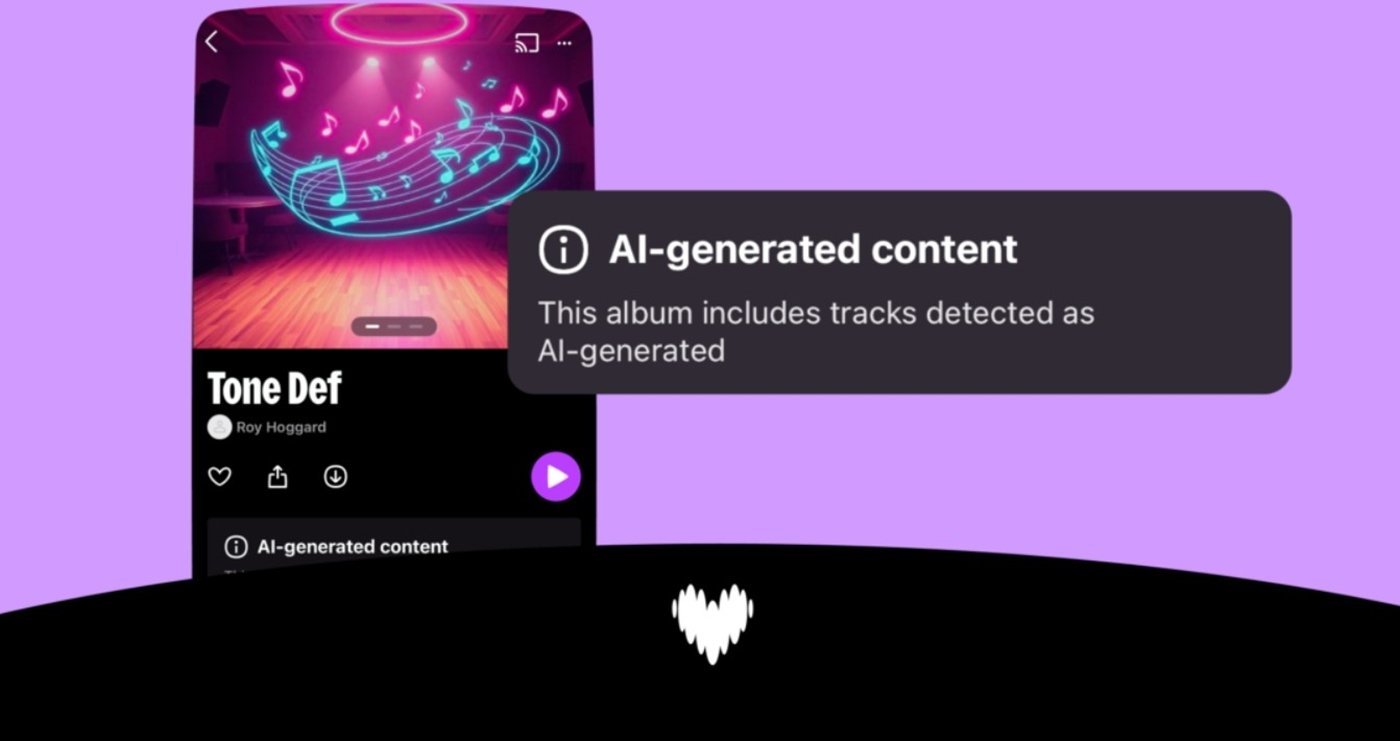
Deezer said it is responding by identifying and tagging fully AI-generated tracks, excluding them from algorithmic recommendations and editorial playlists, and demonetizing any streams found to be fraudulent. The company said these steps are designed to prevent artificial inflation of listening numbers and to protect the royalty pool for human artists and songwriters.
The firm first deployed its AI-detection tool at the beginning of 2025 and became the first streaming platform to explicitly label AI-generated music later that year. The system is now also used by Billboard to help identify AI-generated tracks when compiling its charts.
Selling AI-detection technology to the wider industry
In a significant shift, Deezer said it will now license its AI-detection technology to other companies across the music ecosystem. The company has positioned the move as an effort to establish industry-wide transparency standards and reduce the financial incentives behind AI-driven streaming fraud.
So far, Deezer has tested the technology with several industry partners, including French rights organization Sacem. Lanternier said interest from the sector has been strong.
A game of risk
The rise of AI-generated music comes amid broader anxiety about how AI could undermine creative industries. Concerns include the use of copyrighted works to train AI models and potential regulatory changes that could weaken protections for creators.
According to a study conducted by CISAC and PMP Strategy, nearly 25% of creators’ revenues could be at risk by 2028, amounting to an estimated €4 billion ($4.7 billion) in losses. Deezer has cited the findings as evidence that unchecked AI adoption poses a critical threat to the sustainability of music creation.
Deezer said it remains the only streaming platform to sign a global statement opposing the use of copyrighted material for AI training without authorization. The company has also filed two patents related to its AI-detection methods, which focus on identifying unique signatures that distinguish synthetic content from human-made recordings.
Implications for artists, platforms, and listeners
Deezer’s approach highlights the tension facing streaming platforms as AI-generated content becomes easier to produce and harder to distinguish from human work. While AI music currently represents a small share of actual listening, its volume threatens to overwhelm distribution systems and distort payment models if left unchecked.
As other streaming services grapple with similar challenges, Deezer’s decision to commercialize its detection technology may influence how the industry collectively responds to AI, fraud, and the future economics of music streaming.
Bandcamp and Sweden have also hit back against AI-generated music.


