








AI’s growth spurt entered its awkward teen phase this week, towering, hungry, and occasionally breaking the furniture. Four US hyperscalers sketched a combined $650 billion capex plan, shrugging off a collective $1 trillion loss in market value… only for Elon Musk to politely ask for the Moon.
Meanwhile, Amazon tried to bottle journalism for training data, OpenAI stapled ads onto ChatGPT’s homework help, and Alexa flirted with a brain transplant. Safety leaders resigned, brewers pink‑slipped thousands, and algorithms officially started pouring the pints — and the layoffs.
Call it the AI arms race or just capitalism on caffeine. Either way, here are seven stories that defined the week and hinted at who, if anyone, keeps control when the machines and the budgets grow this fast.
Quick links:
Hyperscalers unleash $650 billion spend
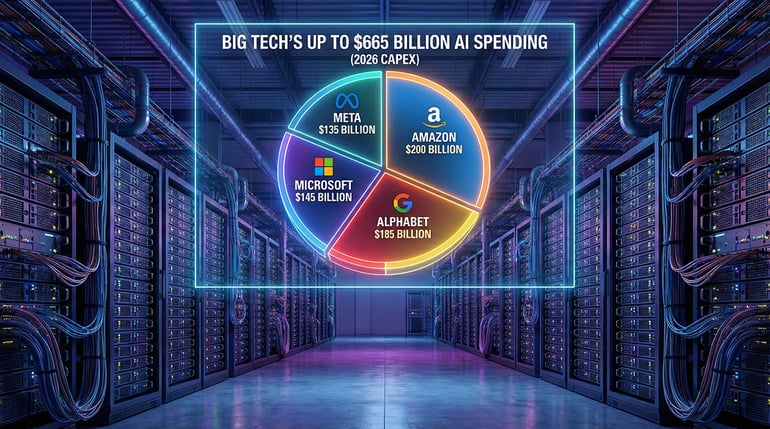
Alphabet, Amazon, Meta, and Microsoft unveiled plans to plow roughly $650 billion into AI infrastructure this year. That’s roughly 70% more than 2025 and triple the capex of 21 of America’s industrial titans combined. Most of the cash goes to power‑gobbling data centers stacked with GPUs, fiber, and enough diesel backup to moonlight as miniature utilities.
Investors greeted the news with a collective wince, shaving nearly $1 trillion from the quartet’s market value. Still, executives insist the outlay mirrors the railroads of yesteryear, calling it table stakes for the next platform shift. For everyone else, the spending spree sets cloud prices, grid priorities, and the tempo of AI adoption, whether you asked for it or not.

Need more compute? Just yeet it off‑planet
Never content with Earth‑based excess, Elon Musk floated a plan for an electromagnetic mass driver on the Moon that would fling xAI satellites, essentially orbital data centers, into space. The pitch follows SpaceX’s Feb. 2 all‑stock absorption of xAI and talk of a $1.5 trillion IPO.
Musk envisions autonomous lunar manufacturing within a decade and an uncrewed landing as early as next year, claiming that permanent sunlight and a zero-atmosphere environment beat any terrestrial server hall.
Critics note that even with Starship discounts, orbital gigawatts still cost three times as much as their earthbound cousins, and that half of xAI’s founders have already exited. But hey, when you’ve conquered rockets and memes, why not conquer gravity?

AWS opens a content vending machine
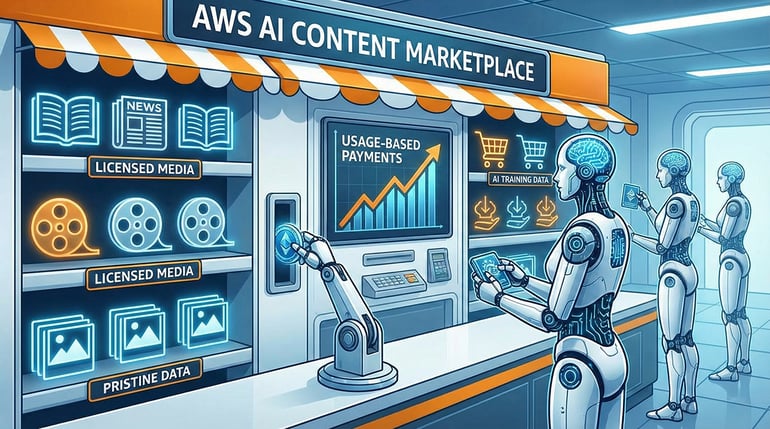
Amazon is reportedly assembling a marketplace inside AWS where publishers can license articles and archives as model‑training fodder, complete with usage‑based royalties. The move counters Microsoft’s fledgling content store and offers newsrooms a middle path between lawsuits and capitulation. If the buyers actually show up, chatbots may finally cite sources instead of ghosting them.
ChatGPT gets a side hustle
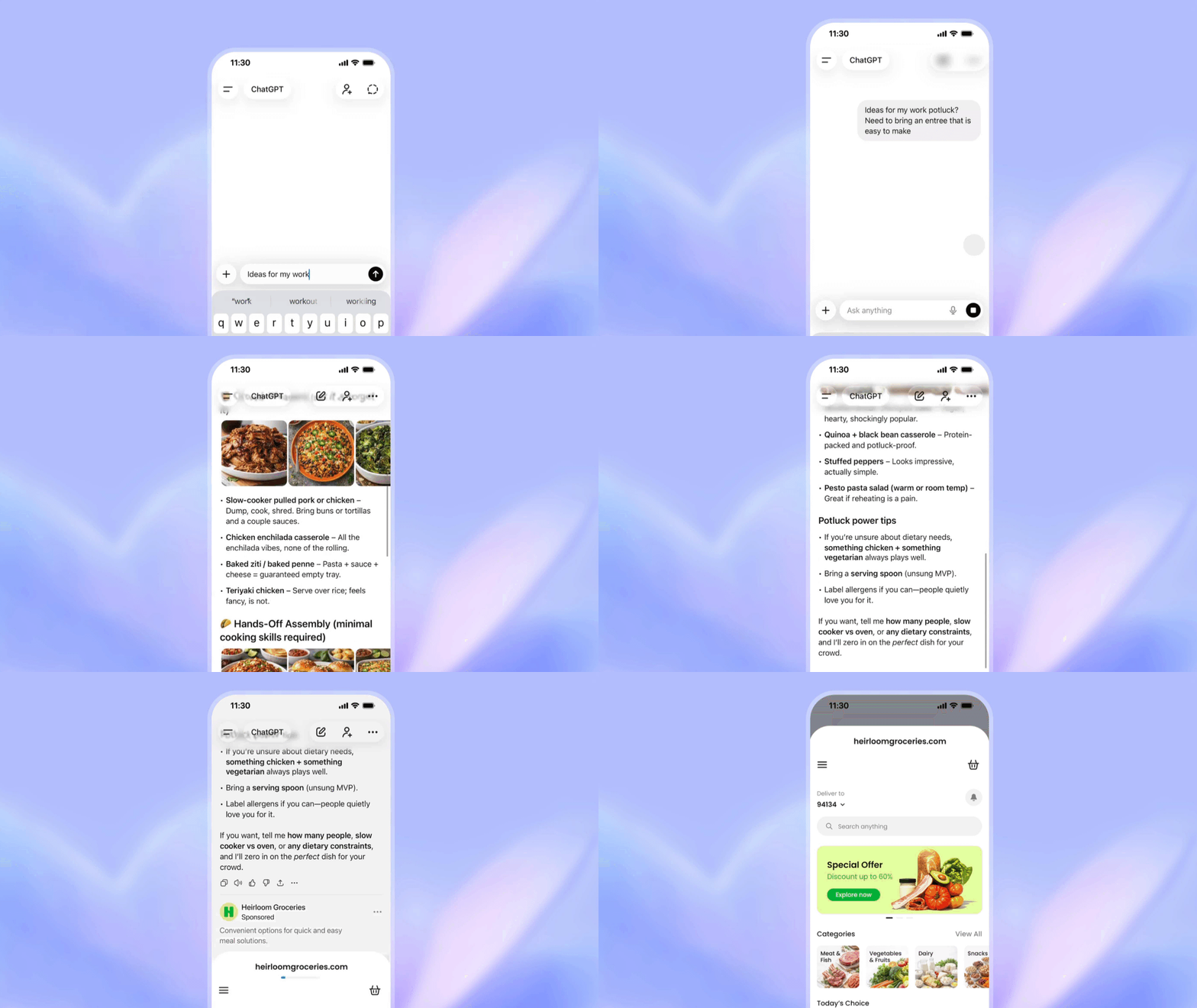
OpenAI began testing clearly labeled “Sponsored” boxes sequestered beneath ChatGPT replies for Free and $8-a-month Go tiers, keeping premium tiers blissfully ad‑free (for now).
The placements tap into conversation context but steer clear of sensitive topics like health and politics, and exclude those under 18. Brands like Target, Adobe, Audible, Albertsons, HelloFresh, Fever, Ford, Williams-Sonoma, VistaPrint, and even Bed Bath & Beyond are ponying up at least $200,000 for the privilege, proving that even in AI, airtime isn’t cheap.
Users can dismiss ads, accept stricter message limits, or pay up to escape, but the message is clear: Free lunch? Meet the bill.

Alexa swipes right on ChatGPT
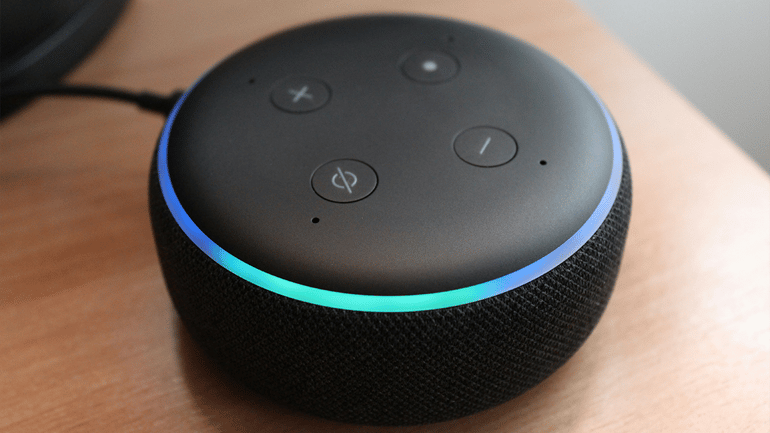
Amazon is mulling a multibillion‑dollar investment that would let Alexa+, which just rolled out nationwide, tap OpenAI models alongside Anthropic’s Claude and Amazon’s own Nova stack. In exchange, OpenAI could access Amazon’s custom Trainium chips and massive server capacity, a compute‑for‑capability barter that would keep Alexa competitive with ChatGPT and Gemini.
For users, that could mean richer, faster answers and smarter home automation. For Amazon, it’s another wedge against Google’s dominance and a reminder that in AI land, today’s rival is tomorrow’s API call.

Claude’s conscience quits mid‑update
Mrinank Sharma, who steered Anthropic’s safeguard research, resigned with a viral letter warning “the world is in peril” as AI power outpaces human wisdom. He says commercial pressure made it “hard … to truly let our values govern our actions.”
His exit follows several high‑profile departures and lands days after the launch of the powerful Claude Opus 4.6 and reports that the company is seeking a $350 billion valuation. The message between the lines: building bigger brains is easy; keeping them ethical is the hard part — and maybe a poet’s job.
When bots pour the pints — and your severance
Dutch brewer Heineken will shed up to 6,000 jobs, or about 7% of its workforce, while relying on AI‑driven shared‑services hubs to trim €500 million (~$594 million) in annual costs.
While the cuts span over 70 countries, they echo a growing tally of 55,000 US roles lost to “AI productivity” last year and serve as a sobering counterpoint to the US’s surprise hiring rebound in January.
For supply‑chain pros and back‑office staff, the lesson is brutal: when algorithms learn to fetch invoices faster than bartenders pull drafts, headcount goes flat.