








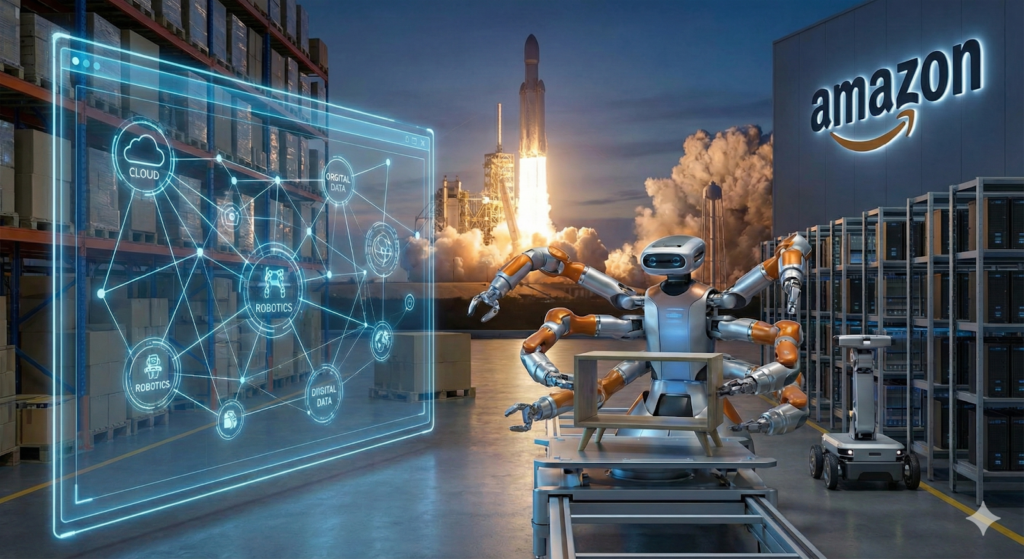
The last full week before the holidays delivered one clear message: AI is no longer confined to cloud dashboards.
Super-cheap, lightning-fast models now power robots that can build furniture and patrol warehouses. Meanwhile, Google slashed inference costs with Gemini 3 Flash, OpenAI turned ChatGPT into a photorealistic design studio, and both Amazon and SpaceX flashed ten-digit ambitions to supply the silicon and orbiting server rooms those systems will need.
The result? A full-stack land grab where bits meet atoms and dollars chase both.
Quick links:
Gemini 3 Flash leaves GPT in the dust
Google’s new Gemini 3 Flash isn’t merely a budget option; it’s a speed demon that scored 78% on SWE-bench Verified while costing just $0.50 per million input tokens.
Bundled everywhere from Vertex AI to Search’s AI Mode and the Gemini app, Flash lets devs run agentic loops and heavyweight code tasks in real time while giving the rest of us a multimodal assistant that can analyze videos and sketches instantly.
Early adopters like Salesforce and JetBrains aren’t just praising the latency; they’re actually ditching costlier models because Flash handles complex agentic loops for pennies.
OpenAI reportedly triggered a “code red” over Gemini 3, but Flash ensures the real casualty may be every startup counting on pricey inference checks to fund lunch. If performance is the party and price is the bouncer, Google just tore up the guest list — and everyone gets in.

ChatGPT Images turns pro mode on
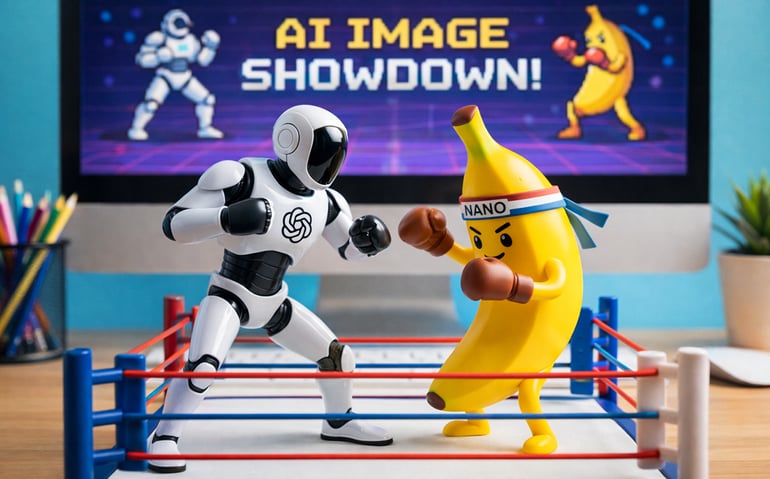
OpenAI’s rebuilt ChatGPT Images now keeps lighting, composition, and facial likeness locked across revisions, spitting edits up to four times faster. The dedicated “Images” tab in the sidebar (coming soon to Enterprise/Business plans) lets you tweak an uploaded photo, riff on it with VHS vibes, then export an infographic — all without leaving chat.
Under the hood, GPT Image 1.5 gives Google’s Nano Banana a banana-split headache, and Adobe’s newly launched Photoshop plug-in suddenly feels like a plus-one that’s already late. And with OpenAI now letting developers submit their own tools to the new Apps directory, expect a fresh wave of rival image editors to crash the party soon.
For solo creators, ChatGPT Images is a subscription-fee diet; for teams, it’s one less tab storm to manage.

Six-armed bot flexes factory gains
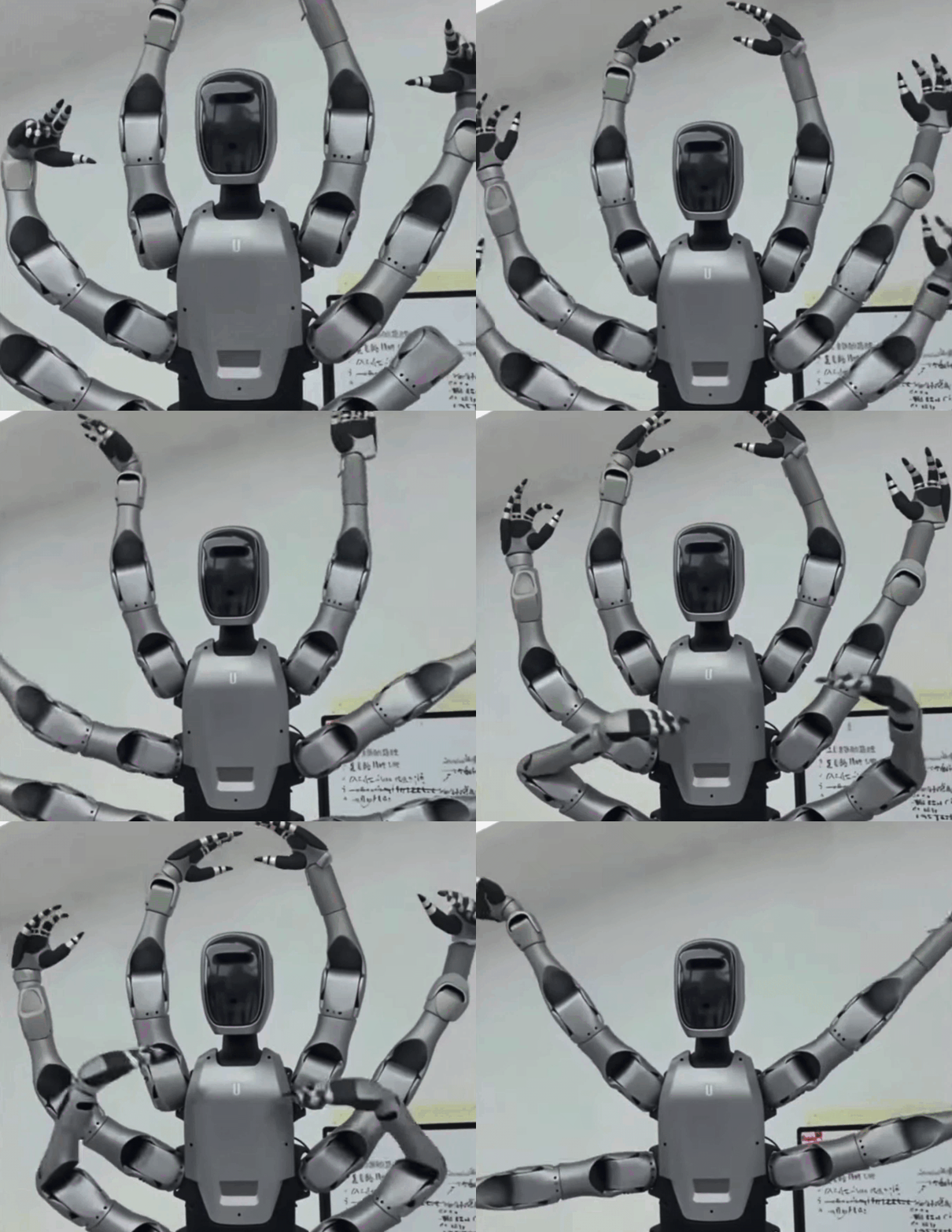
Midea’s MIRO U rolls into a Wuxi appliance plant this month, sporting six coordinated arms, 360-degree torso spin, and quick-swap tool heads. By tackling three tasks at once, it promises a 30% reduction in changeover time (music to managers facing China’s aging-worker curve).
Unlike Western humanoids chasing Instagram swagger, MIRO U skips human-like legs and cosplay, opting for throughput over theatrics.
Humans may still oil the gears, but coffee breaks just got harder to justify.

MIT robot assembles furniture on demand
MIT’s new pipeline converts a plain-language prompt like “make a chair” into a mesh and a robot-readable map, then directs a UR20 arm to snap lattice cubes and magnetic panels together. A vision-language model spots where your posterior actually goes, so the robot nails ergonomics rather than meme art.
Limited to simple builds for now, the demo hints at local, on-demand manufacturing without CNC backlogs or shipping crates. And the only tool you’ll need is vocabulary.


Neo humanoids ink 10,000-unit factory deal
1X Technologies signed a partnership that could place up to 10,000 Neo humanoids across EQT’s 300-plus portfolio firms between 2026 and 2030.
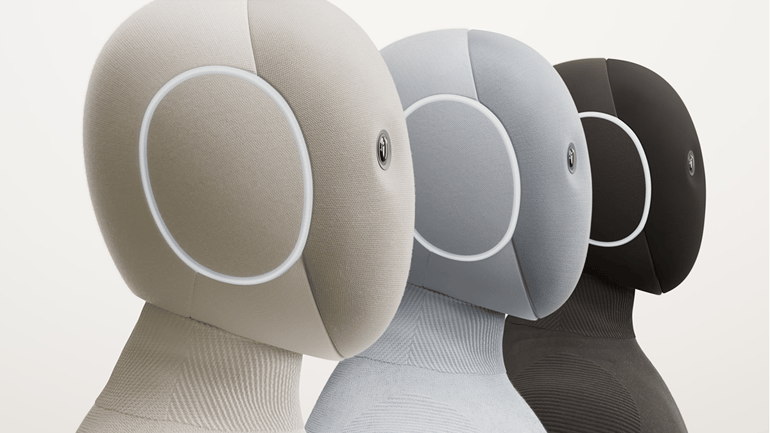
Originally pitched as a $20,000 household helper, Neo now targets logistics and security patrols, with a soft lattice skin that’s more Nerf than Terminator. Each unit ships with “basic autonomy” but leans on remote VR pilots to learn finesse moves, meaning some lucky gig worker might stack pallets from a beach.
Competitors like Tesla and Figure will chase similar contracts, yet 1X’s volume sets a bar: scalability beats sizzle.
If you wanted a robot roommate, you’ll have to share—industry just scooped the first batch.

OpenAI chases $830B valuation
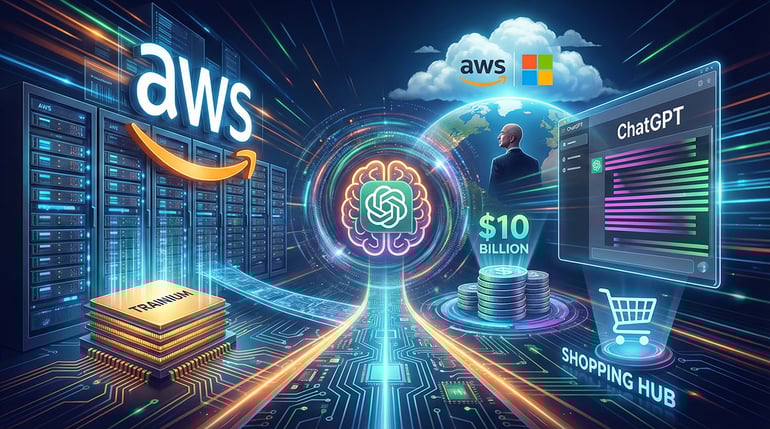
Amazon is reportedly discussing a $10 billion-plus investment that would value OpenAI north of $500 billion, financed largely by AWS Trainium credits.
But that’s just the appetizer: The WSJ reports OpenAI is also hunting for a staggering $100 billion round at an $830 billion valuation, courting sovereign wealth funds to pay the cash-heavy inference bills that cloud credits can’t cover.
The Amazon move hedges the retailer’s Anthropic bet, validates its homegrown silicon, and could turn ChatGPT into a shopping concierge. However, Microsoft still owns exclusive resale rights, so expect some awkward cloud politics at trillion-dollar hyperscale.

SpaceX plots AI data centers in orbit
A shareholder letter from SpaceX’s CFO Bret Johnsen confirms an $800 billion valuation, while fresh reports tag Morgan Stanley as the favorite to pilot the IPO. With billions earmarked for Starship launches, a “Moonbase Alpha,” and AI-powered data centers in orbit, Musk could turn space into a premium server room for AI workloads—assuming regulators and exploding prototypes decide to cooperate.