


Artemis II Moon Mission: NASA’s Historic 10-Day Journey Around the Moon
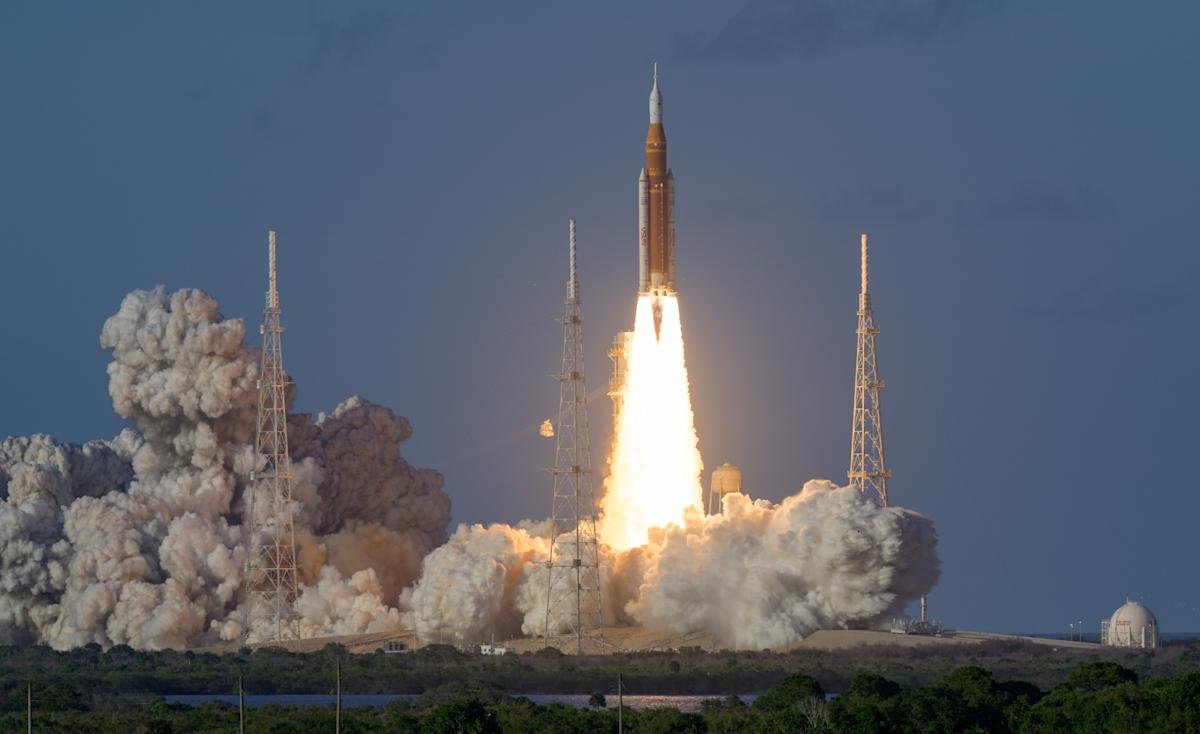
On April 1, 2026, at 6:35pm Eastern time, NASA’s Artemis II mission successfully launched from Launch Complex 39B at the Kennedy Space Center in Florida — marking humanity’s boldest step beyond Earth’s orbit since the Apollo program. The mission carries four astronauts on a 10-day trip around the Moon, laying the groundwork for future crewed lunar landings. As we covered ahead of launch, all eyes were on Kennedy Space Center as the Artemis II crew prepared for lift-off.
The Artemis II Crew and Mission Overview
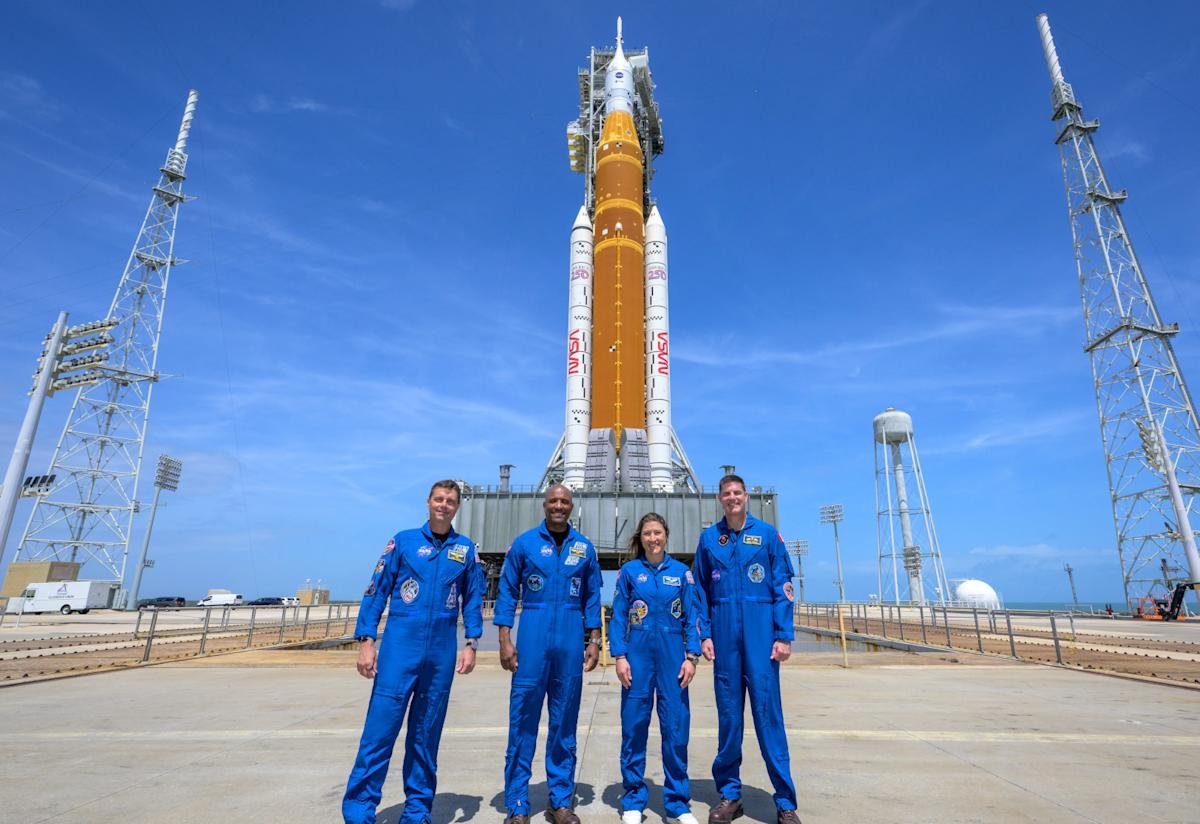
The Artemis II mission is transporting four astronauts on the first crewed Orion spacecraft flight: NASA’s Reid Wiseman (commander), Victor Glover, Christina Koch, and Canadian Space Agency astronaut Jeremy Hansen. This is the first crewed Artemis flight and the first time humans have ventured into deep space since the Apollo program ended over 50 years ago.
What Makes This Mission Different From Artemis I?
Unlike the unmanned Artemis I mission in 2022, Artemis II carries a live crew onboard the SLS (Space Launch System) rocket and Orion spacecraft. The astronauts will not land on the Moon during this mission, but will loop around it — venturing further from Earth than any human being has ever traveled before. The mission is designed to test human health in deep space and validate all systems ahead of future lunar landings.
Key Mission Milestones So Far
Successful Launch and Separation
The launch proceeded smoothly, and by 10:43PM Eastern, the Orion spacecraft successfully separated from the upper stage of the Space Launch System rocket. Commander Victor Glover then began manually piloting the capsule — a critical test of the spacecraft’s manual control systems during deep space operations.
Stunning Views and a Plumbing Problem
Just hours into the journey, the astronauts were already capturing majestic views of Earth from deep space. However, the crew also reported an issue with their waste-management system — the first real toilet ever installed on a deep-space mission. Thankfully, the astronauts had a reliable backup: waste collection bags similar to those used by Apollo crews, which had previously been discarded on the lunar surface.
Why the Artemis II Mission Matters
Artemis II is not just about reaching the Moon — it’s about proving that humanity can reliably operate in deep space again. The data gathered on this 10-day journey, from human health metrics to spacecraft performance, will directly inform Artemis III, the mission planned to actually land astronauts on the lunar surface. For a deeper look at how NASA’s lunar ambitions have been reshaped in recent months, including the cancellation of the Gateway space station in favour of a $20 billion moon base, see our coverage of NASA’s evolving lunar strategy and the Gateway pause.
The Artemis program represents America’s clearest signal that the era of human deep-space exploration has returned — and Artemis II is its opening act. With all four astronauts now underway and the world watching, this 10-day lunar flyby is set to be one of the most closely followed space missions in decades.
